THE ADVENTURE COLLECTIVE® · Independent discovery and booking for outdoor travel

Watch southern right whales from the shore at Doradillo and continue to Puerto Pirámides for an optional boat tour. This 6–8 hour excursion combines easy coastal observation with Peninsula Valdés scenery and seasonal whale activity.
Watch southern right whales from the shore at Doradillo and continue to Puerto Pirámides for an optional boat tour. This 6–8 hour excursion combines easy coastal observation with Peninsula Valdés scenery and seasonal whale activity.
A low wind pushes the Atlantic across pale sand as a dark hump breaks the horizon; the whale surfaces, exhales into the cold air, and settles within sight of the beach. At Doradillo, southern right whales come close enough to the shore that you can watch mothers and calves at arm’s length, their massive bodies moving with deliberate curiosity.
Verified experiences and guided adventures in the surrounding area.
Operated by Sentir Patagonia Travel · Puerto Madryn, Chubut
A low wind pushes the Atlantic across pale sand as a dark hump breaks the horizon; the whale surfaces, exhales into the cold air, and settles within sight of the beach. At Doradillo, southern right whales come close enough to the shore that you can watch mothers and calves at arm’s length, their massive bodies moving with deliberate curiosity.
The route runs north from Puerto Madryn (about 20 km) toward the entrance of Peninsula Valdés, a landscape shaped by wind-blown dunes and ancient marine terraces. Peninsula Valdés, a UNESCO World Heritage Site, has a history of coastguarding and scientific study; modern protections grew from the region’s whaling past into conservation that now hosts whales, sea lions and elephant seals. Culture here is maritime and Patagonian—gaucho ranches inland, small fishing communities along the bays.
Practically: the shared tour runs 6–8 hours, combining a land-based observation stop at Doradillo with continued travel to Puerto Pirámides where an optional 1.5-hour boat trip is offered (seasonally operated). Best months for sightings are June–October for close coastal calving; boats may operate into December. Expect open, wind-exposed beaches, firm sand, and strong sun.
Bring binoculars, a windproof layer, sun protection and patience—the whales set their own schedule. Follow guides’ instructions, keep to marked observation points and respect setback distances; this minimizes disturbance and keeps calves safe. The experience balances quiet close-up viewing with the option to take to the water, giving two perspectives on one of Patagonia’s most direct wildlife encounters.
easy.
6–8 hours.
Suitable for most fitness levels; involves short walks on firm sand and standing periods
Southern right whales typically use Golfo Nuevo to calve from June through October; these months offer the most consistent close-to-shore sightings.
No—the itinerary includes land-based observation and transfer to Puerto Pirámides; the 1.5-hour whale-watching boat there is optional and usually priced separately.
Yes—Doradillo observation points and the tour vehicle are listed as wheelchair accessible, but terrain can include sand; contact the operator about specific needs.
No—while sightings are highly likely in season, whales are wild animals and sightings cannot be guaranteed; tours follow best practices to maximize opportunities.
Peninsula Valdés shifted from a 20th-century whaling-adjacent coastline to a protected area and UNESCO site, with conservation efforts growing since the 1970s.
Local operators follow regulations to limit disturbance—stay behind guide lines, avoid noise and never feed wildlife to minimize impact.
Sentir Patagonia Travel operates guided outdoor trips and adventures with an emphasis on safety, stewardship, and memorable experiences.
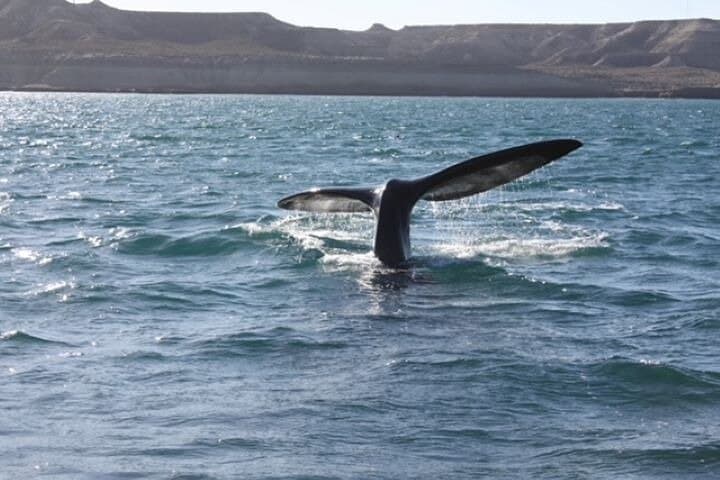
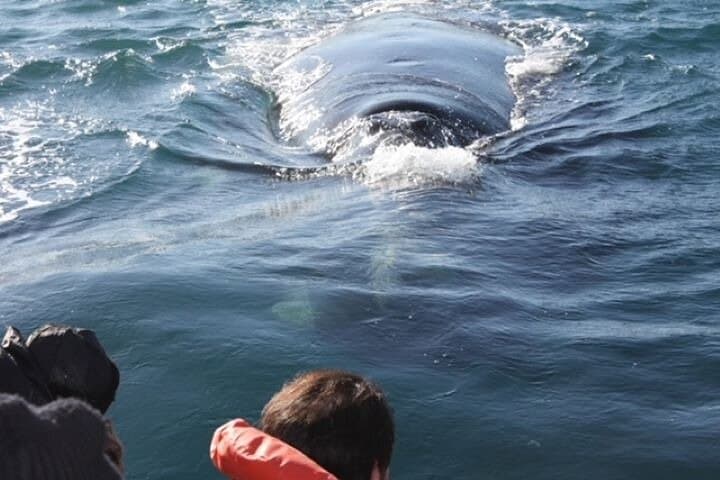
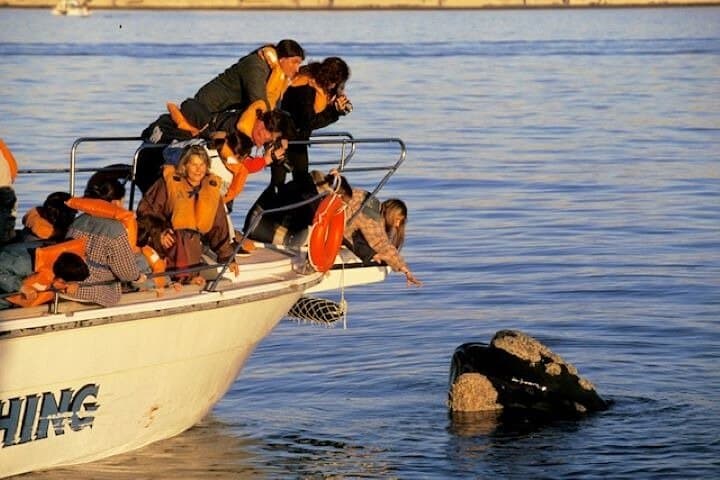
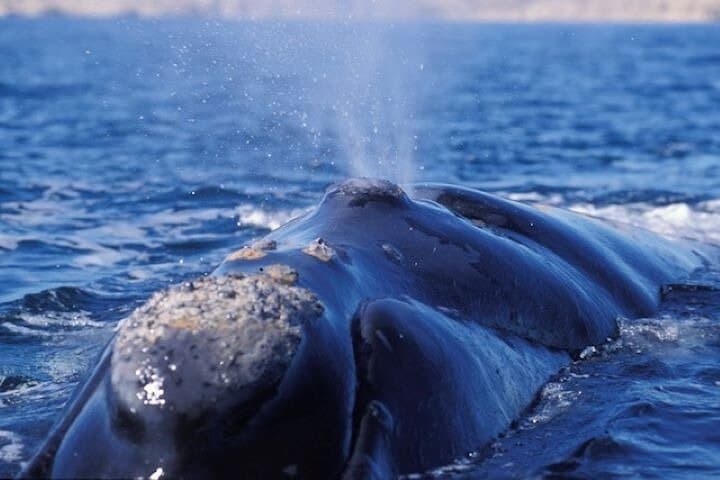
A low wind pushes the Atlantic across pale sand as a dark hump breaks the horizon; the whale surfaces, exhales into the cold air, and settles within sight of the beach. At Doradillo, southern right whales come close enough to the shore that you can watch mothers and calves at arm’s length, their massive bodies moving with deliberate curiosity.
A low wind pushes the Atlantic across pale sand as a dark hump breaks the horizon; the whale surfaces, exhales into the cold air, and settles within sight of the beach. At Doradillo, southern right whales come close enough to the shore that you can watch mothers and calves at arm’s length, their massive bodies moving with deliberate curiosity.
The route runs north from Puerto Madryn (about 20 km) toward the entrance of Peninsula Valdés, a landscape shaped by wind-blown dunes and ancient marine terraces. Peninsula Valdés, a UNESCO World Heritage Site, has a history of coastguarding and scientific study; modern protections grew from the region’s whaling past into conservation that now hosts whales, sea lions and elephant seals. Culture here is maritime and Patagonian—gaucho ranches inland, small fishing communities along the bays.
Practically: the shared tour runs 6–8 hours, combining a land-based observation stop at Doradillo with continued travel to Puerto Pirámides where an optional 1.5-hour boat trip is offered (seasonally operated). Best months for sightings are June–October for close coastal calving; boats may operate into December. Expect open, wind-exposed beaches, firm sand, and strong sun.
Bring binoculars, a windproof layer, sun protection and patience—the whales set their own schedule. Follow guides’ instructions, keep to marked observation points and respect setback distances; this minimizes disturbance and keeps calves safe. The experience balances quiet close-up viewing with the option to take to the water, giving two perspectives on one of Patagonia’s most direct wildlife encounters.