THE ADVENTURE COLLECTIVE® · Independent discovery and booking for outdoor travel

Take a slow, 90-minute donkey ride from the holy town of Moulay Idriss through olive groves to the Roman ruins of Volubilis. This low-impact cultural excursion pairs gentle terrain with panoramic views and direct interaction with local donkey owners.
Take a slow, 90-minute donkey ride from the holy town of Moulay Idriss through olive groves to the Roman ruins of Volubilis. This low-impact cultural excursion pairs gentle terrain with panoramic views and direct interaction with local donkey owners.
You leave Moulay Idriss’ main square at a walking pace, a donkey under you and a local donkey owner guiding the quiet procession. The town’s whitewashed houses watch as the path climbs briefly, then gives over to a ribbon of dirt that threads through gnarled olive trees and low scrub. The Zerhoun ridge keeps its slow company; the valley below opens in terraces and fields, and the ruined columns of Volubilis appear like a patient memory on the horizon.
Verified experiences and guided adventures in the surrounding area.
Operated by Dar Zerhoune · Moulay Idriss Zerhoun, Fès-Meknès
You leave Moulay Idriss’ main square at a walking pace, a donkey under you and a local donkey owner guiding the quiet procession. The town’s whitewashed houses watch as the path climbs briefly, then gives over to a ribbon of dirt that threads through gnarled olive trees and low scrub. The Zerhoun ridge keeps its slow company; the valley below opens in terraces and fields, and the ruined columns of Volubilis appear like a patient memory on the horizon.
Moulay Idriss is Morocco’s first Islamic capital and still a pilgrimage town centered on the shrine of Idris I. Volubilis, two kilometres beyond, carries Roman mosaics, basalt foundations and the layered geology of an agricultural plain uplifted by tectonic action over millennia. Riding a donkey here is both practical and cultural: the animals are working partners, and local owners lead you past farm plots and secondary roads into views most visitors miss.
Expect a 90-minute, gentle route—slow enough to notice birdlife and patterns of terraces, steady enough to cover the rise between the towns. Stops include a panoramic outlook over the valley and a calm arrival at the ruins of Volubilis.
Practical: wear supportive closed shoes, bring sun protection and at least one litre of water, and let the owner manage the animal—donkeys are sure-footed but reactive. Morning light is best for photos and cooler temperatures; late afternoon brings long shadows over the mosaics. This ride supports local livelihoods and offers a low-impact way to connect with landscape and history.
easy.
90 minutes.
Suitable for most fitness levels; requires ability to mount/dismount and sit steadily for the short ride
The guided donkey ride runs about 90 minutes from Moulay Idriss to Volubilis, including a photo stop at a panoramic viewpoint.
Yes—this is a gentle, low-speed activity, but mounting and sitting on a donkey requires basic mobility; inform the operator of any mobility concerns.
The ride arrives at the edge of Volubilis; access to the archaeological site may require an entrance fee and a short walk.
Local owners work with the animals daily; rides are led by handlers who manage the donkeys and prioritize their welfare, but avoid long, hot midday rides for the animals’ sake.
Moulay Idriss grew around the shrine of Idris I and became a medieval pilgrimage site; Volubilis was an important Roman and later Byzantine frontier city with elaborate mosaics and public buildings.
Stick to paths near the ruins and avoid feeding animals; rides that use local handlers support the community economy and reduce pressure from larger motorized tours.
Dar Zerhoune operates guided outdoor trips and adventures with an emphasis on safety, stewardship, and memorable experiences.
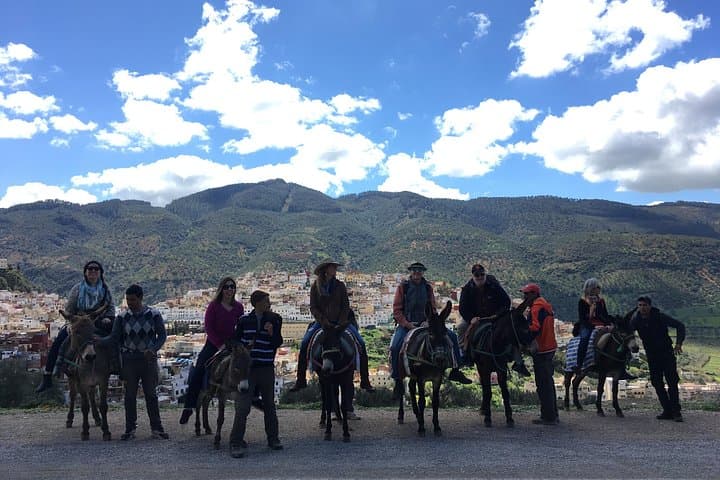
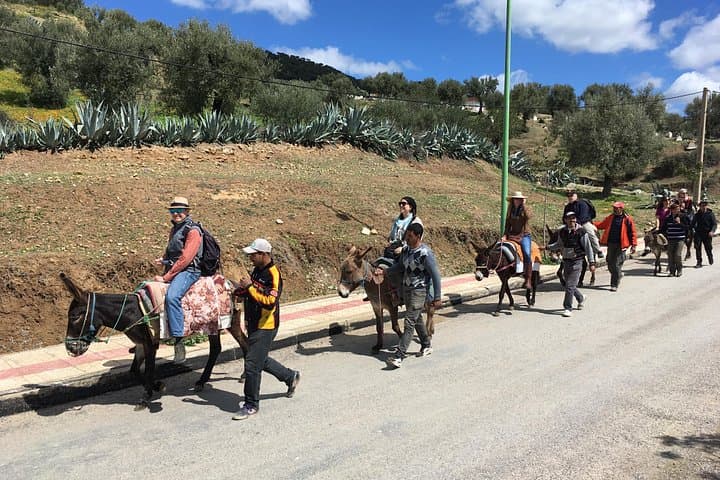
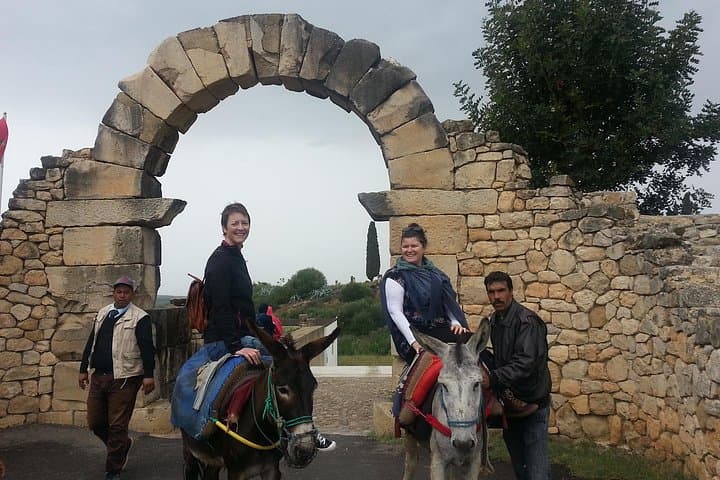
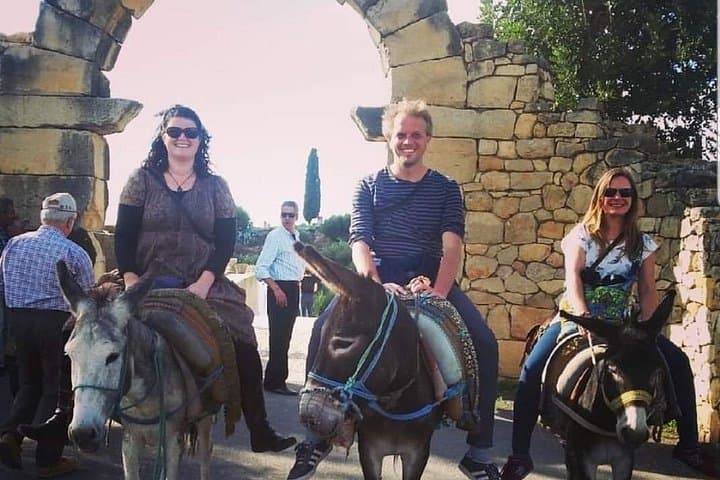
You leave Moulay Idriss’ main square at a walking pace, a donkey under you and a local donkey owner guiding the quiet procession. The town’s whitewashed houses watch as the path climbs briefly, then gives over to a ribbon of dirt that threads through gnarled olive trees and low scrub. The Zerhoun ridge keeps its slow company; the valley below opens in terraces and fields, and the ruined columns of Volubilis appear like a patient memory on the horizon.
You leave Moulay Idriss’ main square at a walking pace, a donkey under you and a local donkey owner guiding the quiet procession. The town’s whitewashed houses watch as the path climbs briefly, then gives over to a ribbon of dirt that threads through gnarled olive trees and low scrub. The Zerhoun ridge keeps its slow company; the valley below opens in terraces and fields, and the ruined columns of Volubilis appear like a patient memory on the horizon.
Moulay Idriss is Morocco’s first Islamic capital and still a pilgrimage town centered on the shrine of Idris I. Volubilis, two kilometres beyond, carries Roman mosaics, basalt foundations and the layered geology of an agricultural plain uplifted by tectonic action over millennia. Riding a donkey here is both practical and cultural: the animals are working partners, and local owners lead you past farm plots and secondary roads into views most visitors miss.
Expect a 90-minute, gentle route—slow enough to notice birdlife and patterns of terraces, steady enough to cover the rise between the towns. Stops include a panoramic outlook over the valley and a calm arrival at the ruins of Volubilis.
Practical: wear supportive closed shoes, bring sun protection and at least one litre of water, and let the owner manage the animal—donkeys are sure-footed but reactive. Morning light is best for photos and cooler temperatures; late afternoon brings long shadows over the mosaics. This ride supports local livelihoods and offers a low-impact way to connect with landscape and history.