THE ADVENTURE COLLECTIVE® · Independent discovery and booking for outdoor travel

Meet a patient donkey and follow quiet country lanes through the Pays de Mélusine. These gentle guided hikes combine hands-on animal care, short walks across rolling hills, and stays in local gîtes.
Meet a patient donkey and follow quiet country lanes through the Pays de Mélusine. These gentle guided hikes combine hands-on animal care, short walks across rolling hills, and stays in local gîtes.
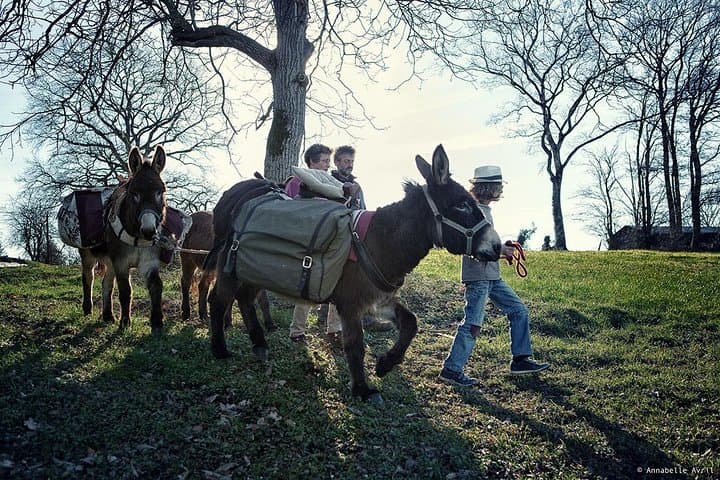
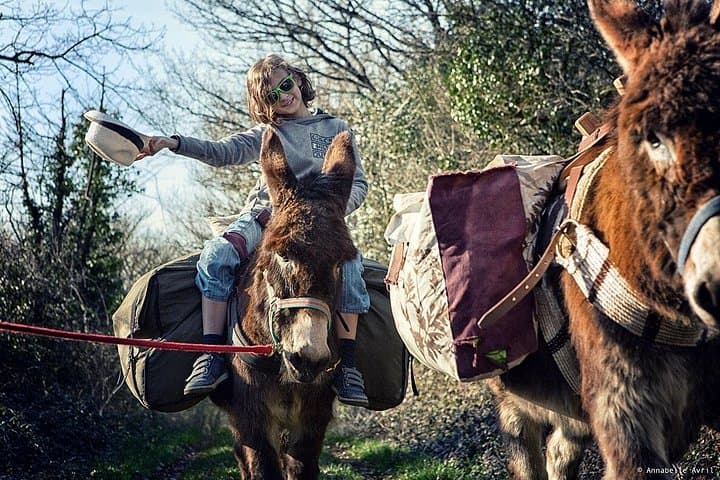
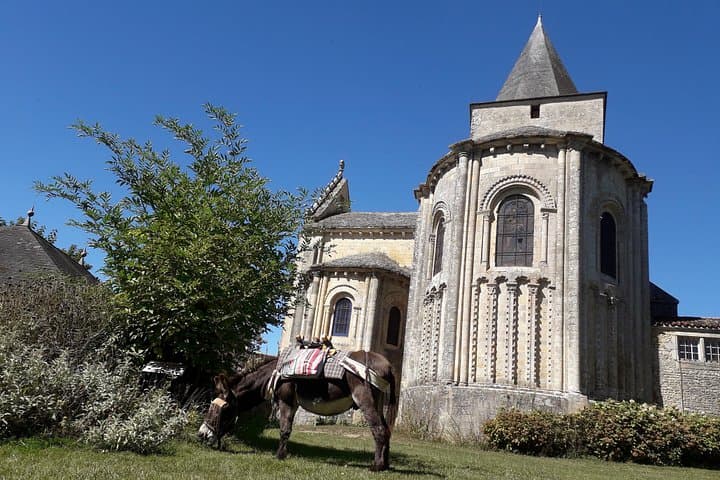
Morning light moves through beech and oak as you meet the donkey at the farm — ears twitching, patient and curious — ready to shoulder supplies and set the walking pace. The path out of the yard drops into a chorus of birdsong, follows hedgerows and field edges, and climbs to a bend where a small castle appears like an old acquaintance.
Verified experiences and guided adventures in the surrounding area.
Operated by La Préfète de la Vienne · Vouvant, Vendée
Morning light moves through beech and oak as you meet the donkey at the farm — ears twitching, patient and curious — ready to shoulder supplies and set the walking pace. The path out of the yard drops into a chorus of birdsong, follows hedgerows and field edges, and climbs to a bend where a small castle appears like an old acquaintance.
This part of western France carries the legend of Mélusine: medieval stories of water-spirits and small fortified villages that explain the stonework dotted across the landscape. Geologically the terrain is gentle — rolling hills, pasture, and short forested sections carved by small streams and limestone outcrops. Local culture is rural and practical; farm stays, gîtes and family-run guesthouses dot the routes and require advance booking during high season.
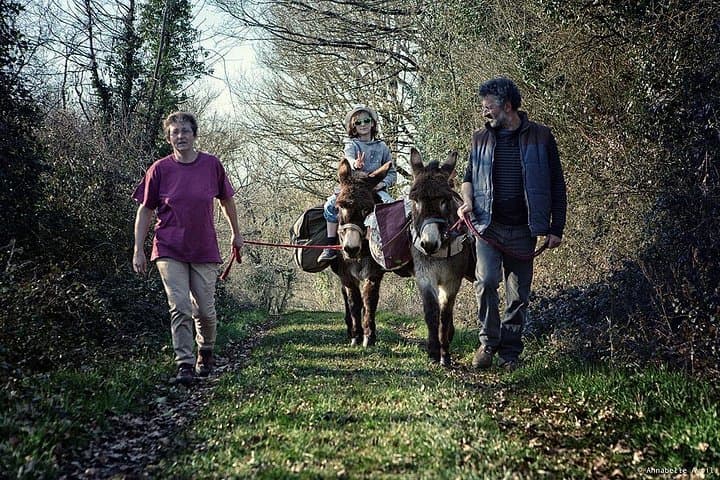
On a typical outing you’ll get a short introduction to handling and caring for the donkey, then walk a few kilometers on mostly well-worn country tracks. The donkey sets a steady tempo: slow enough to notice birdlife and local architecture, steady enough to cover ground without strain.
Practical guidance: wear sturdy shoes and layers, expect moderate sun exposure on open fields, and carry water and snacks — the donkey will carry a pack, not your comfort. Book accommodations early in summer and reserve the donkey initiation if you want a guided introduction. The circuits suit young and old; for multi-day options, confirm lodging and luggage transfer in advance. These hikes are low-impact, social, and a tactile way to experience rural France at a human pace.
easy.
3 hours.
Suitable for most fitness levels; basic walking stamina for a few kilometers over gentle terrain
No — the activity includes an introduction to handling and basic care; it’s designed for beginners and families.
Standard outings are around a few kilometers over a 2–3 hour window; multi-day circuits are available by arrangement.
No — accommodation (guesthouse, gîte or tent) is booked and paid directly with local owners and should be reserved in advance.
Yes — circuits are family-friendly, but handlers set age or supervision guidelines for safety and animal welfare.
The Pays de Mélusine takes its name from medieval folklore about Mélusine, a legendary figure tied to local castles and noble families; stone remains and village plans reflect centuries of rural settlement.
Operators ask walkers to stick to marked paths to protect hedgerows and pastureland; donkeys reduce the need for motorized baggage transfer, lowering the trip’s footprint.
La Préfète de la Vienne operates guided outdoor trips and adventures with an emphasis on safety, stewardship, and memorable experiences.
Morning light moves through beech and oak as you meet the donkey at the farm — ears twitching, patient and curious — ready to shoulder supplies and set the walking pace. The path out of the yard drops into a chorus of birdsong, follows hedgerows and field edges, and climbs to a bend where a small castle appears like an old acquaintance.
Morning light moves through beech and oak as you meet the donkey at the farm — ears twitching, patient and curious — ready to shoulder supplies and set the walking pace. The path out of the yard drops into a chorus of birdsong, follows hedgerows and field edges, and climbs to a bend where a small castle appears like an old acquaintance.
This part of western France carries the legend of Mélusine: medieval stories of water-spirits and small fortified villages that explain the stonework dotted across the landscape. Geologically the terrain is gentle — rolling hills, pasture, and short forested sections carved by small streams and limestone outcrops. Local culture is rural and practical; farm stays, gîtes and family-run guesthouses dot the routes and require advance booking during high season.
On a typical outing you’ll get a short introduction to handling and caring for the donkey, then walk a few kilometers on mostly well-worn country tracks. The donkey sets a steady tempo: slow enough to notice birdlife and local architecture, steady enough to cover ground without strain.
Practical guidance: wear sturdy shoes and layers, expect moderate sun exposure on open fields, and carry water and snacks — the donkey will carry a pack, not your comfort. Book accommodations early in summer and reserve the donkey initiation if you want a guided introduction. The circuits suit young and old; for multi-day options, confirm lodging and luggage transfer in advance. These hikes are low-impact, social, and a tactile way to experience rural France at a human pace.