THE ADVENTURE COLLECTIVE® · Independent discovery and booking for outdoor travel

Wander Dong Si’s narrow alleys with an English-speaking guide and taste 20+ authentic Beijing specialties at markets, bakeries, and family stalls. This four-hour private walking tour pairs local history with insider food knowledge to reveal sides of the hutongs most visitors miss.
Wander Dong Si’s narrow alleys with an English-speaking guide and taste 20+ authentic Beijing specialties at markets, bakeries, and family stalls. This four-hour private walking tour pairs local history with insider food knowledge to reveal sides of the hutongs most visitors miss.
You step off the main road and the hutong narrows like a page folding inward—grey brick walls lean close, steam and spice push through gaps in wooden shutters, and a vendor flips jianbing on a cast-iron griddle.
Verified experiences and guided adventures in the surrounding area.
Operated by Discover Beijing Tours · Beijing, Beijing
You step off the main road and the hutong narrows like a page folding inward—grey brick walls lean close, steam and spice push through gaps in wooden shutters, and a vendor flips jianbing on a cast-iron griddle.
The Dong Si area is part of Beijing’s old urban fabric, alleyways carved from imperial planning during the Yuan and Ming eras and framed by siheyuan courtyard homes. These lanes tell a civic history as much as any museum: family-run shops that have passed recipes down generations, Muslim kebab stalls shaped by northwest influences, and tiny bakeries that bake sesame cakes the way they have for decades.
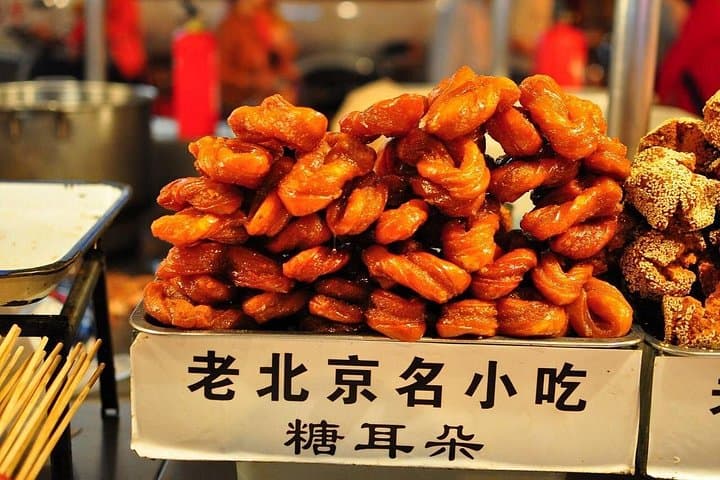
On this private, English-guided four-hour walk, expect to sample 20+ bites—everything from baozi and roujiamo to Beijing suan nai and, if you dare, stinky tofu—while your guide explains regional culinary customs and the social role of food in Beijing life. The tour moves on paved alleys and occasional cobbles with frequent stops for tasting, talk, and photo moments.
Practical notes: bring small bills, wear comfortable shoes for four hours of stop-and-go walking, and flag dietary needs in advance (vegetarian options available). Summer days can be hot and crowded; mornings and late afternoons are cooler and better for photography. Respect residential spaces—these are working neighborhoods—and support vendors by buying small items if you can.
This is a citywalk where the food leads and the alleys respond: immediate, sensory, and rooted in local routine—an efficient, insider way to eat through a living neighborhood.
easy.
4 hours.
Suitable for anyone who can walk 2–3 miles with frequent stops; minimal sustained exertion.
Most tours meet in the Dong Si area near a clearly communicated meeting point; your guide will confirm the exact spot on booking.
Yes—20+ tastings are included in the tour price, sampled across markets, bakeries, and mom-and-pop eateries.
Yes—vegetarian options are available if requested at booking; some traditional dishes cannot be substituted, so notify the provider early.
The route is noted as stroller-accessible and suitable for children; expect frequent stops and crowded lanes at peak times.
Hutongs grew from Beijing’s imperial grid in the Yuan and Ming eras; Dong Si retains many original alley patterns and small speciality shops reflecting regional migrations over centuries.
This tour supports small, family-run vendors—pack out any trash, avoid single-use plastics when possible, and be mindful of residents in living neighborhoods.
Discover Beijing Tours operates guided outdoor trips and adventures with an emphasis on safety, stewardship, and memorable experiences.

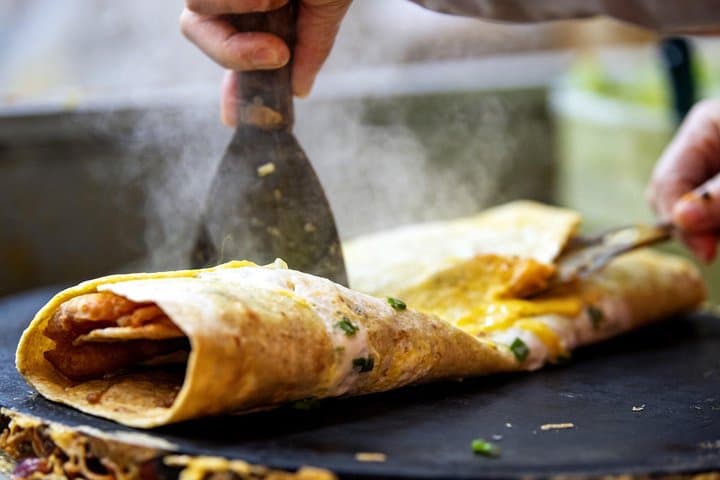
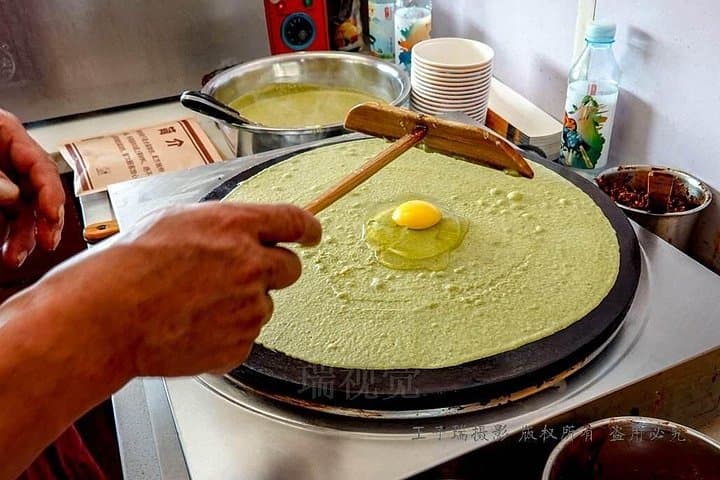
You step off the main road and the hutong narrows like a page folding inward—grey brick walls lean close, steam and spice push through gaps in wooden shutters, and a vendor flips jianbing on a cast-iron griddle.
You step off the main road and the hutong narrows like a page folding inward—grey brick walls lean close, steam and spice push through gaps in wooden shutters, and a vendor flips jianbing on a cast-iron griddle.
The Dong Si area is part of Beijing’s old urban fabric, alleyways carved from imperial planning during the Yuan and Ming eras and framed by siheyuan courtyard homes. These lanes tell a civic history as much as any museum: family-run shops that have passed recipes down generations, Muslim kebab stalls shaped by northwest influences, and tiny bakeries that bake sesame cakes the way they have for decades.
On this private, English-guided four-hour walk, expect to sample 20+ bites—everything from baozi and roujiamo to Beijing suan nai and, if you dare, stinky tofu—while your guide explains regional culinary customs and the social role of food in Beijing life. The tour moves on paved alleys and occasional cobbles with frequent stops for tasting, talk, and photo moments.
Practical notes: bring small bills, wear comfortable shoes for four hours of stop-and-go walking, and flag dietary needs in advance (vegetarian options available). Summer days can be hot and crowded; mornings and late afternoons are cooler and better for photography. Respect residential spaces—these are working neighborhoods—and support vendors by buying small items if you can.
This is a citywalk where the food leads and the alleys respond: immediate, sensory, and rooted in local routine—an efficient, insider way to eat through a living neighborhood.