THE ADVENTURE COLLECTIVE® · Independent discovery and booking for outdoor travel

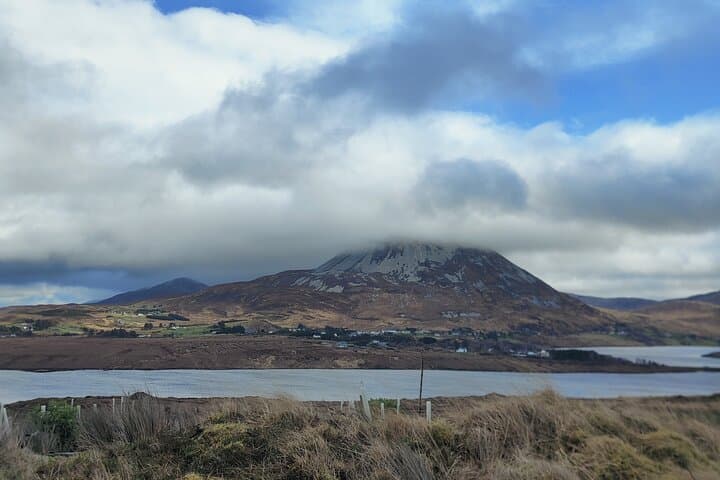
Cover coast, crags and a ghost village in a three-hour electric-bike loop from Bunbeg. This guided half-day tour combines easy pedal-assist climbs with local history, shoreline views and stops at Errigal and Dunlewey Lough.
Cover coast, crags and a ghost village in a three-hour electric-bike loop from Bunbeg. This guided half-day tour combines easy pedal-assist climbs with local history, shoreline views and stops at Errigal and Dunlewey Lough.
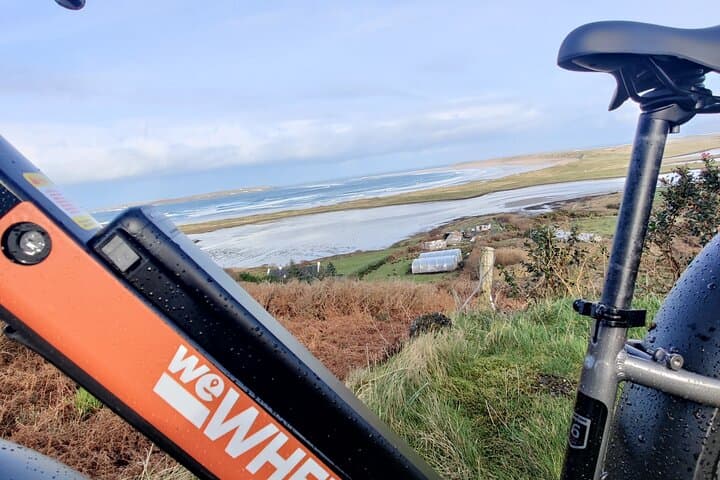
A salt-scented breeze pushes across the estuary as riders clip in at Bunbeg Harbour, e-bikes humming beneath them. Over three hours the route slips between peat banks and coastal lanes, past a storm-battered shipwreck and up to viewpoint shoulders that frame Errigal’s ribbed silhouette. The guide speaks in English and Irish, pointing out place-names that hold stories as old as the cliffs.
Verified experiences and guided adventures in the surrounding area.
Operated by WeWheel · Gweedore, County Donegal
A salt-scented breeze pushes across the estuary as riders clip in at Bunbeg Harbour, e-bikes humming beneath them. Over three hours the route slips between peat banks and coastal lanes, past a storm-battered shipwreck and up to viewpoint shoulders that frame Errigal’s ribbed silhouette. The guide speaks in English and Irish, pointing out place-names that hold stories as old as the cliffs.
This loop moves through the Gaeltacht of Gweedore, an Irish-speaking region shaped by fishing, turf cutting and 19th-century hardship — visible in the abandoned stone cottages left from the Great Famine. Geologically, the landscape is raw: granite peaks of the Derryveagh range give way to glacially carved corries and the flat, peaty lowlands that feed Dunlewey Lough. Cultural notes arrive in small things — a roadside shrine, a local name for a headland — that anchor the ride to place.
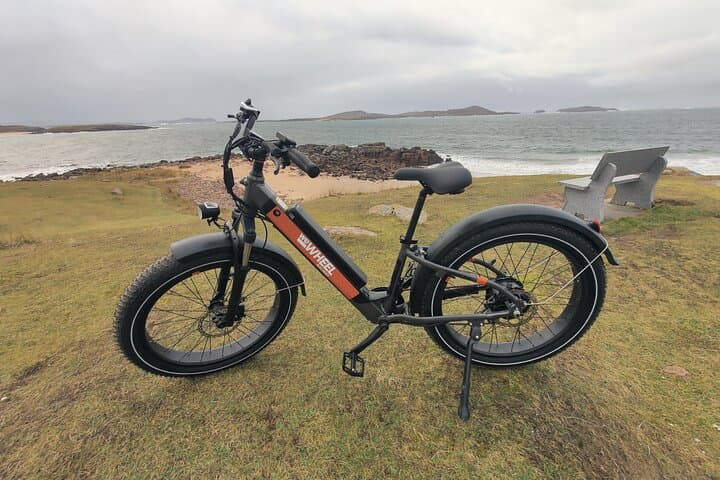
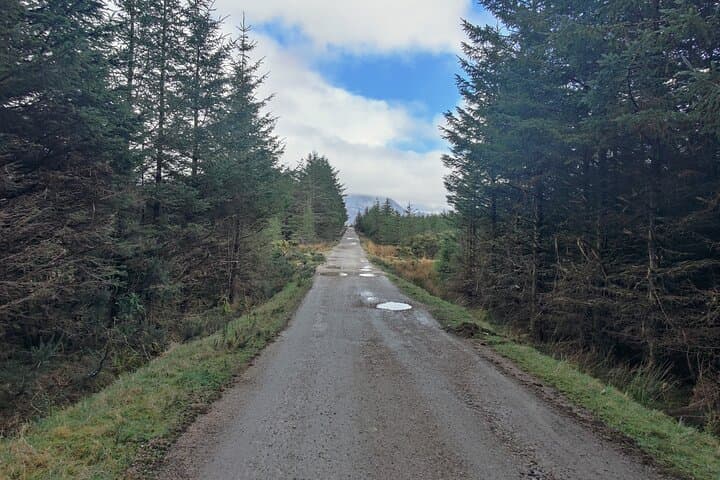
Practically, the tour uses fat-tyre electric bikes that assist on climbs and buffer rough lanes; guides carry basic mechanical support and safety gear. Expect mixed surfaces: tarmac minor roads, compacted forest trails and short gravel sections across a dam between Lough Nacung and Dunlewey Lough. Weather can turn quickly — wind and rain are part of the rhythm here — so layer up and plan for slower stretches where riders regroup to take photos and hear the guide’s local lore.
For riders, it’s an efficient way to cover varied terrain, sample Gaelic heritage, and see both coastal and mountain features without a full-day commitment.
easy.
3 hours.
Suitable for most fitness levels; requires basic cycling comfort and ability to sit and pedal for sustained periods.
No—tours are suitable for all levels; guides brief riders on controls and support is available throughout.
Policies vary by operator but most companies limit capacity and require parental judgment; confirm age and bike fit when booking.
The tour may be cancelled or rescheduled if conditions are unsafe; operators typically offer a full refund if cancelled at least 24 hours prior.
It’s a mix of minor paved roads, compacted forest trails and short gravel/dam crossings—e-bikes handle these comfortably but expect varied surfaces.
Gweedore is a Gaeltacht region where Irish (Gaeilge) remains widely spoken; the area also preserves visible scars from 19th-century emigration and famine-era abandonment.
Stick to marked lanes and avoid cutting across peatland; e-bikes reduce local vehicle emissions but stay on permitted routes to protect fragile bog and nesting birds.
WeWheel operates guided outdoor trips and adventures with an emphasis on safety, stewardship, and memorable experiences.
A salt-scented breeze pushes across the estuary as riders clip in at Bunbeg Harbour, e-bikes humming beneath them. Over three hours the route slips between peat banks and coastal lanes, past a storm-battered shipwreck and up to viewpoint shoulders that frame Errigal’s ribbed silhouette. The guide speaks in English and Irish, pointing out place-names that hold stories as old as the cliffs.
A salt-scented breeze pushes across the estuary as riders clip in at Bunbeg Harbour, e-bikes humming beneath them. Over three hours the route slips between peat banks and coastal lanes, past a storm-battered shipwreck and up to viewpoint shoulders that frame Errigal’s ribbed silhouette. The guide speaks in English and Irish, pointing out place-names that hold stories as old as the cliffs.
This loop moves through the Gaeltacht of Gweedore, an Irish-speaking region shaped by fishing, turf cutting and 19th-century hardship — visible in the abandoned stone cottages left from the Great Famine. Geologically, the landscape is raw: granite peaks of the Derryveagh range give way to glacially carved corries and the flat, peaty lowlands that feed Dunlewey Lough. Cultural notes arrive in small things — a roadside shrine, a local name for a headland — that anchor the ride to place.
Practically, the tour uses fat-tyre electric bikes that assist on climbs and buffer rough lanes; guides carry basic mechanical support and safety gear. Expect mixed surfaces: tarmac minor roads, compacted forest trails and short gravel sections across a dam between Lough Nacung and Dunlewey Lough. Weather can turn quickly — wind and rain are part of the rhythm here — so layer up and plan for slower stretches where riders regroup to take photos and hear the guide’s local lore.
For riders, it’s an efficient way to cover varied terrain, sample Gaelic heritage, and see both coastal and mountain features without a full-day commitment.