THE ADVENTURE COLLECTIVE® · Independent discovery and booking for outdoor travel

Spend two hours with a family roaster in Dominicus Village learning how Dominican specialty coffee is harvested, roasted and tasted. Small-group, accessible sessions include a live roasting demo and guided cupping in English, French or Spanish.
Spend two hours with a family roaster in Dominicus Village learning how Dominican specialty coffee is harvested, roasted and tasted. Small-group, accessible sessions include a live roasting demo and guided cupping in English, French or Spanish.
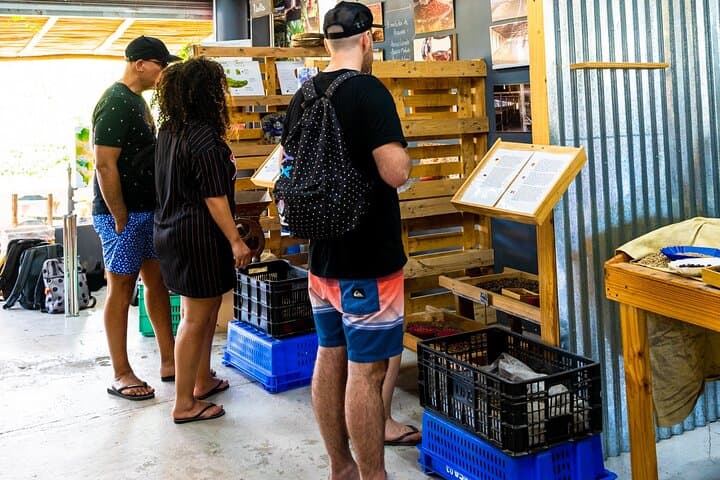
The room smells of warm beans and citrus peel; sunlight from Dominicus Village cuts across a long wooden table where burlap sacks wait like old maps. You stand with a small group while a family roaster lifts a steaming tray, the first crack of a small-batch roast punctuating a quiet afternoon in Bayahibe.
Verified experiences and guided adventures in the surrounding area.
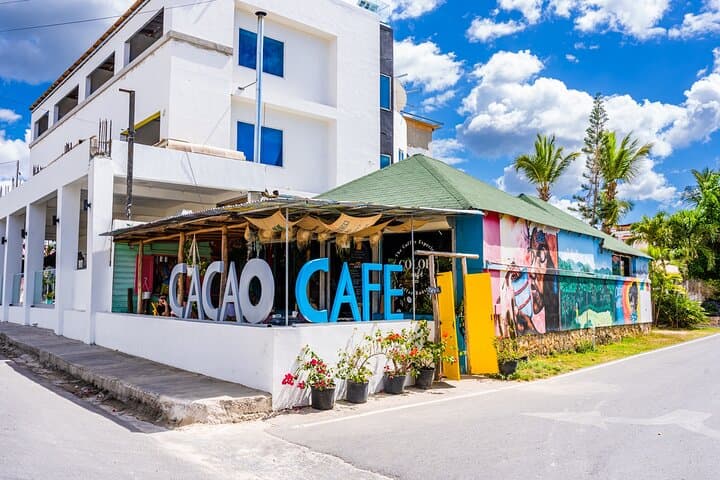
Operated by Color Cafe · Bayahibe, La Altagracia
The room smells of warm beans and citrus peel; sunlight from Dominicus Village cuts across a long wooden table where burlap sacks wait like old maps. You stand with a small group while a family roaster lifts a steaming tray, the first crack of a small-batch roast punctuating a quiet afternoon in Bayahibe.
Dominican coffee has deep roots in the island’s highlands — varietals cultivated in Jarabacoa and Constanza travel downriver in knowledge and beans to coastal villages where families roast and sell directly. The island’s volcanic soils and humid trade winds shaped mild Arabica crops that supported rural economies through the 19th and 20th centuries; today specialty producers emphasize shade-grown, small-lot harvests.
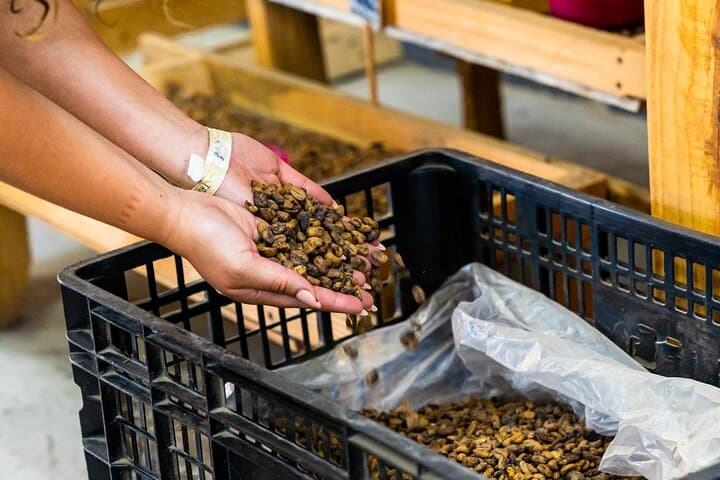
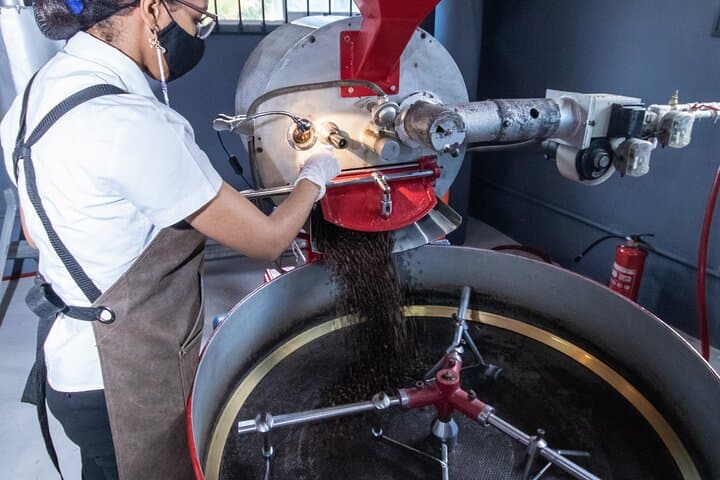
At this two-hour, family-run session in Dominicus Village you’ll move through farm-to-cup stages: cherry selection, depulping concepts, drying profiles, then hands-on observation of a small roasting batch. Cultural notes arrive between steps — Dominican café customs, the role of smallholders, and how roast level highlights acidity, body, and chocolate or tropical fruit notes.
Practical guidance: arrive 5–10 minutes early; the experience is on foot from nearby resorts and fully wheelchair accessible. Sessions run in Spanish (Mon), French (Wed) and English (Fri), and conclude with a guided tasting of multiple roast profiles and brewing tips to replicate at home. Bring a notebook, carry water if it’s sunny, and expect standing during demos. This experience is compact, sensory, and educational — ideal for travelers who want a close look at Caribbean coffee culture without leaving the coast.
easy.
2 hours.
Minimal physical exertion — light standing and short walks from nearby resorts are required
The session runs two hours and includes a roasting demonstration followed by a guided tasting of different coffees.
Yes — the facility is wheelchair and stroller accessible; attendees with special requirements are encouraged to contact the operator in advance.
Sessions are scheduled in Spanish on Mondays, French on Wednesdays, and English on Fridays; check availability before booking.
For a full refund cancel at least 24 hours before the scheduled time; cancellations within 24 hours are non-refundable.
Coffee became an important crop in the Dominican Republic during the 19th century; today smallholder farms in the central highlands supply specialty beans to coastal roasters.
Many Dominican specialty producers favor shade-grown and small-lot practices that support forest cover and local biodiversity; support family-run operations to keep economic benefits local.
Color Cafe operates guided outdoor trips and adventures with an emphasis on safety, stewardship, and memorable experiences.
The room smells of warm beans and citrus peel; sunlight from Dominicus Village cuts across a long wooden table where burlap sacks wait like old maps. You stand with a small group while a family roaster lifts a steaming tray, the first crack of a small-batch roast punctuating a quiet afternoon in Bayahibe.
The room smells of warm beans and citrus peel; sunlight from Dominicus Village cuts across a long wooden table where burlap sacks wait like old maps. You stand with a small group while a family roaster lifts a steaming tray, the first crack of a small-batch roast punctuating a quiet afternoon in Bayahibe.
Dominican coffee has deep roots in the island’s highlands — varietals cultivated in Jarabacoa and Constanza travel downriver in knowledge and beans to coastal villages where families roast and sell directly. The island’s volcanic soils and humid trade winds shaped mild Arabica crops that supported rural economies through the 19th and 20th centuries; today specialty producers emphasize shade-grown, small-lot harvests.
At this two-hour, family-run session in Dominicus Village you’ll move through farm-to-cup stages: cherry selection, depulping concepts, drying profiles, then hands-on observation of a small roasting batch. Cultural notes arrive between steps — Dominican café customs, the role of smallholders, and how roast level highlights acidity, body, and chocolate or tropical fruit notes.
Practical guidance: arrive 5–10 minutes early; the experience is on foot from nearby resorts and fully wheelchair accessible. Sessions run in Spanish (Mon), French (Wed) and English (Fri), and conclude with a guided tasting of multiple roast profiles and brewing tips to replicate at home. Bring a notebook, carry water if it’s sunny, and expect standing during demos. This experience is compact, sensory, and educational — ideal for travelers who want a close look at Caribbean coffee culture without leaving the coast.