THE ADVENTURE COLLECTIVE® · Independent discovery and booking for outdoor travel

Handle Dominican cacao, taste hot chocolate and teas, then craft your own truffle at Taino’s Gourmet Kitchen Lab in Santo Domingo. This 90-minute, family-friendly master class mixes history, hands-on technique, and plenty of samples.
Handle Dominican cacao, taste hot chocolate and teas, then craft your own truffle at Taino’s Gourmet Kitchen Lab in Santo Domingo. This 90-minute, family-friendly master class mixes history, hands-on technique, and plenty of samples.
Steam from a cup of thick hot chocolate curls into the warm lab as the master chocolatier gestures toward a wooden crate of glossy beans. You feel the weight of island history in the aroma — bitter, floral, and rooted in soil — and are invited to handle cacao the way generations here once did.
Verified experiences and guided adventures in the surrounding area.
Operated by CanaGo Tours · Santo Domingo, Santo Domingo Province
Steam from a cup of thick hot chocolate curls into the warm lab as the master chocolatier gestures toward a wooden crate of glossy beans. You feel the weight of island history in the aroma — bitter, floral, and rooted in soil — and are invited to handle cacao the way generations here once did.
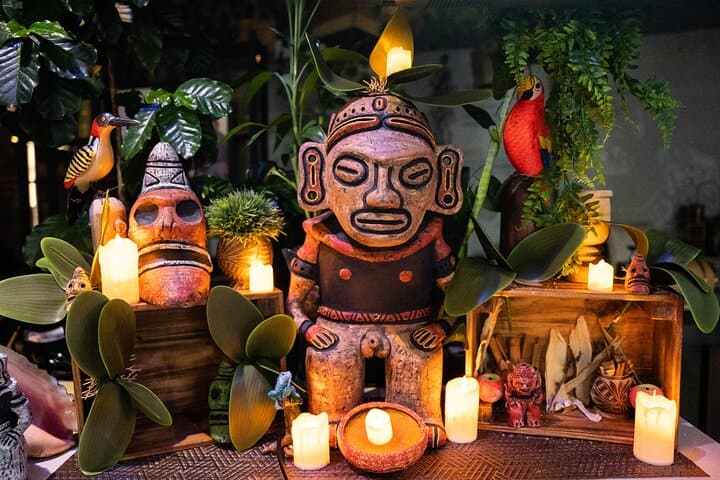
Cacao arrived in Hispaniola long before colonial maps were redrawn; the Taino revered the bean as both food and currency. Dominican plantations later mixed indigenous varieties with European and African influences to create the robust Trinitario and Criollo hybrids cultivated today. The kitchen lab sits in Santo Domingo’s cultural orbit, where colonial stone and modern markets meet, and where chocolate has shifted from ritual to craft.
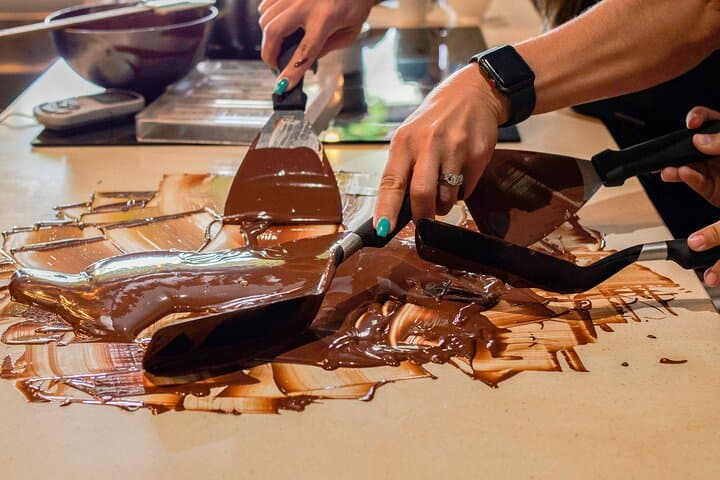
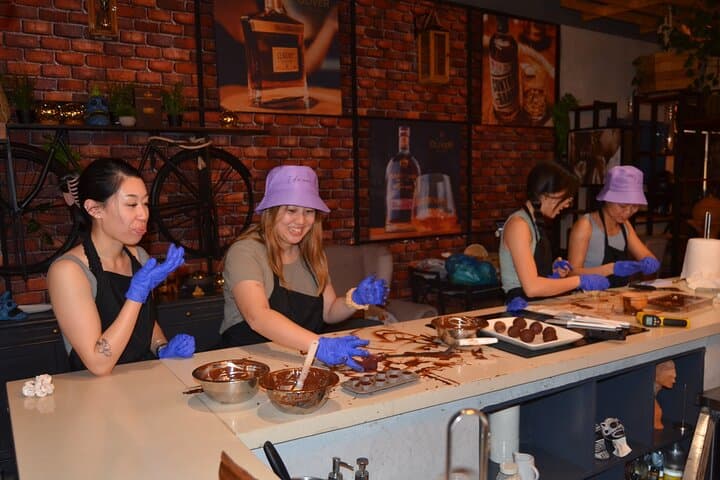
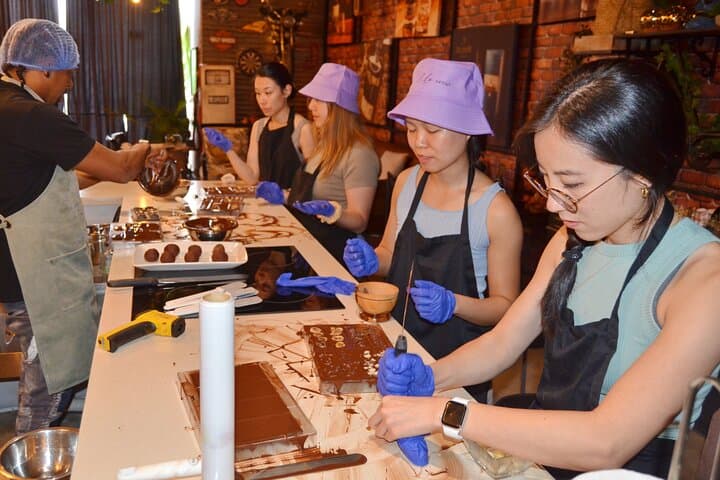
The experience blends sensory tasting with hands-on technique: guided hot chocolate tastings, aromatic chocolate teas, and sample barks and truffles before you temper, mold, and finish your own creation. Expect playful contests and clear instruction on tempering, flavoring, and simple decoration.
Practicalities are straightforward — the session runs about 90 minutes, is stroller-accessible, and caters to all fitness levels. Mobile tickets are used for swift entry, and the venue provides tea, coffee, and air-conditioned comfort.
Plan to disclose allergies ahead of time, bring a small bag for takeaways, and leave room in your itinerary for a short walk through the Zona Colonial afterward to pair history with flavor. This is an approachable culinary workshop that connects you directly with Dominican cacao culture and leaves you with both a sweet souvenir and new kitchen skills.
easy.
1.5 hours.
Suitable for all ages and fitness levels; minimal mobility requirements and stroller-accessible
Yes — the class is family-friendly and stroller-accessible; very young children should be supervised around hot liquids and kitchen tools.
Yes — hot chocolate, chocolate teas, barks, and truffle-making materials are included, along with instruction and equipment.
Hosts can often accommodate common allergies and dietary needs if informed at booking; note restrictions in your reservation form.
The listing notes air-conditioned vehicle amenities and pickup options may be available — confirm pickup details during booking or on your confirmation.
Cacao was integral to pre-Columbian Taino culture and later became a colonial commodity; today Dominican producers focus on heritage varieties and artisanal chocolate-making.
Sustainable and shade-grown cacao initiatives are growing in the DR; support local producers who use responsible farming and fair-trade practices to reduce environmental impact.
CanaGo Tours operates guided outdoor trips and adventures with an emphasis on safety, stewardship, and memorable experiences.
Steam from a cup of thick hot chocolate curls into the warm lab as the master chocolatier gestures toward a wooden crate of glossy beans. You feel the weight of island history in the aroma — bitter, floral, and rooted in soil — and are invited to handle cacao the way generations here once did.
Steam from a cup of thick hot chocolate curls into the warm lab as the master chocolatier gestures toward a wooden crate of glossy beans. You feel the weight of island history in the aroma — bitter, floral, and rooted in soil — and are invited to handle cacao the way generations here once did.
Cacao arrived in Hispaniola long before colonial maps were redrawn; the Taino revered the bean as both food and currency. Dominican plantations later mixed indigenous varieties with European and African influences to create the robust Trinitario and Criollo hybrids cultivated today. The kitchen lab sits in Santo Domingo’s cultural orbit, where colonial stone and modern markets meet, and where chocolate has shifted from ritual to craft.
The experience blends sensory tasting with hands-on technique: guided hot chocolate tastings, aromatic chocolate teas, and sample barks and truffles before you temper, mold, and finish your own creation. Expect playful contests and clear instruction on tempering, flavoring, and simple decoration.
Practicalities are straightforward — the session runs about 90 minutes, is stroller-accessible, and caters to all fitness levels. Mobile tickets are used for swift entry, and the venue provides tea, coffee, and air-conditioned comfort.
Plan to disclose allergies ahead of time, bring a small bag for takeaways, and leave room in your itinerary for a short walk through the Zona Colonial afterward to pair history with flavor. This is an approachable culinary workshop that connects you directly with Dominican cacao culture and leaves you with both a sweet souvenir and new kitchen skills.