THE ADVENTURE COLLECTIVE® · Independent discovery and booking for outdoor travel

Head out from Roseau for a three-hour, government-approved whale and dolphin cruise where sperm whales are present year-round. Small-group boats, expert local guides, and strict wildlife protocols make this a high-chance, low-impact marine encounter.
Head out from Roseau for a three-hour, government-approved whale and dolphin cruise where sperm whales are present year-round. Small-group boats, expert local guides, and strict wildlife protocols make this a high-chance, low-impact marine encounter.
The engine thrum drops to a hush as the boat eases off Roseau’s ferry pier and the island opens into a wide, Caribbean horizon. Salt air sharpens your senses; the guide scans with the same steady patience that the crew uses to approach a pod. Water gleams turquoise, and every surface seems keyed to listen for a blow or the slap of a fluke.
Verified experiences and guided adventures in the surrounding area.
Operated by PH Whale Watch Dive & Snorkel in Dominica · Roseau, Saint George Parish
The engine thrum drops to a hush as the boat eases off Roseau’s ferry pier and the island opens into a wide, Caribbean horizon. Salt air sharpens your senses; the guide scans with the same steady patience that the crew uses to approach a pod. Water gleams turquoise, and every surface seems keyed to listen for a blow or the slap of a fluke.
Dominica’s volcanic spine carves the island’s dramatic profiles, and its deep offshore canyons make this one of the few places where sperm whales stay year-round. Colonial-era shipping and local fishing shaped coastal communities here, while the Kalinago and later European settlers left a layered cultural landscape you glimpse from the water — small settlements, steep ridgelines, and rainforest that pushes almost to the shore.
On a three-hour cruise with a government-approved operator you’ll learn marine behavior, local regulations, and the science behind whale distribution. Guides follow strict approach distances and never lure animals; sightings often include spinner and spotted dolphins and, seasonally, humpbacks and pilot whales.
Practical guide: bring sun protection, a camera with a telephoto or a pair of binoculars, and motion-sickness remedies if you’re sensitive. Boats are small (max eight), which means a more intimate experience but also limited shade and room to move. Cruises depart daily from the Roseau ferry terminal — show up early, listen to your guide, and respect wildlife etiquette. For photographers and nature lovers alike, this is a focused, low-impact way to connect with some of the ocean’s largest residents.
easy.
3 hours.
Suitable for most fitness levels; requires ability to board a small boat and stand or sit on deck for periods.
All guests meet at the Roseau ferry terminal; cruise-ship passengers are picked up directly from port in Roseau.
No sightings are guaranteed, but Dominica has year-round sperm whales and operators have high encounter rates; dolphins are commonly seen even if whales are elusive.
No — local regulations and the operator prohibit swimming with whales to avoid disturbing the animals and to maintain safety.
Minimum age is generally 4 years; not recommended for pregnant travelers or those with serious back or heart conditions—consult the operator before booking.
Dominica’s maritime culture reflects Indigenous Kalinago presence and later French and British colonial activity; offshore canyons formed by volcanic geology concentrate deep-diving species like sperm whales.
Operators follow government codes of conduct, limit group size, and apply reef taxes to support local management; visitors should avoid flash photography and maintain respectful distances.
PH Whale Watch Dive & Snorkel in Dominica operates guided outdoor trips and adventures with an emphasis on safety, stewardship, and memorable experiences.
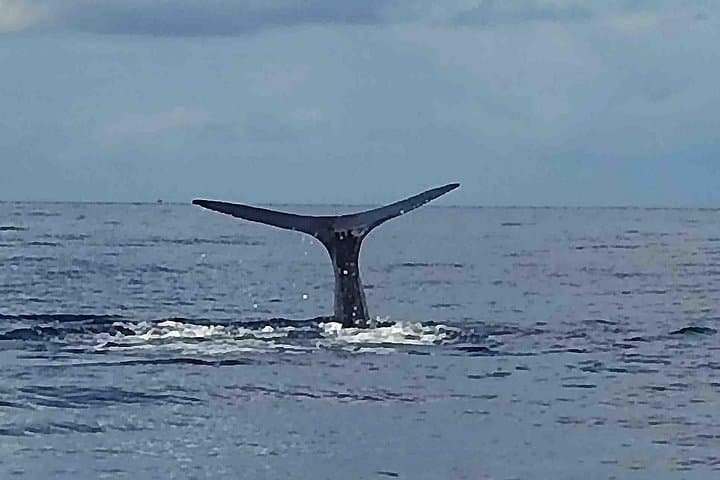
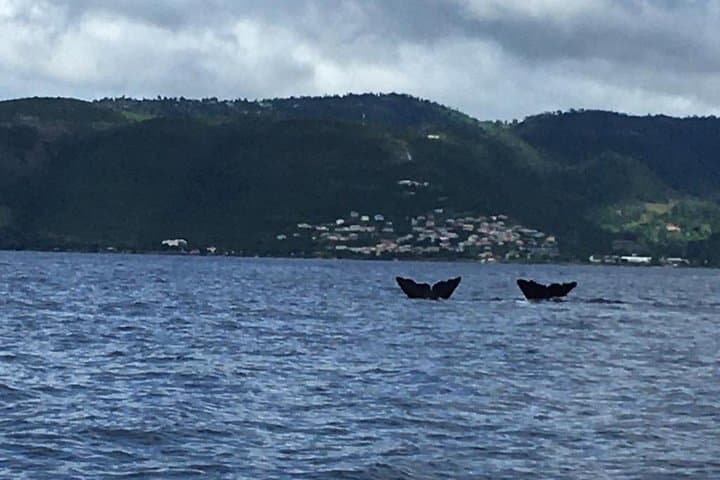
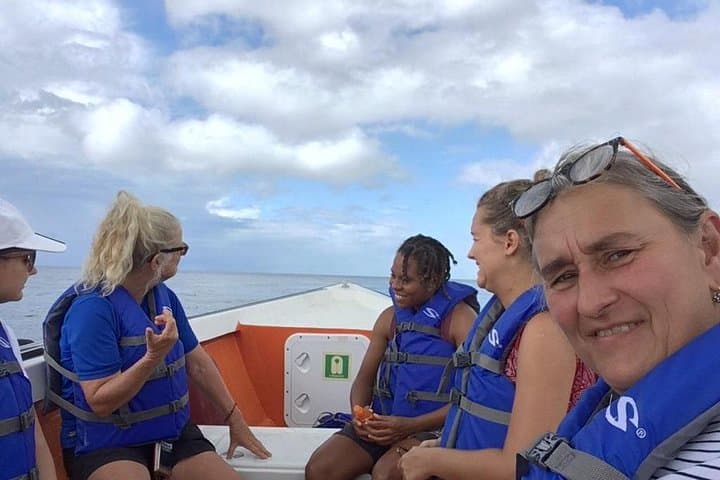
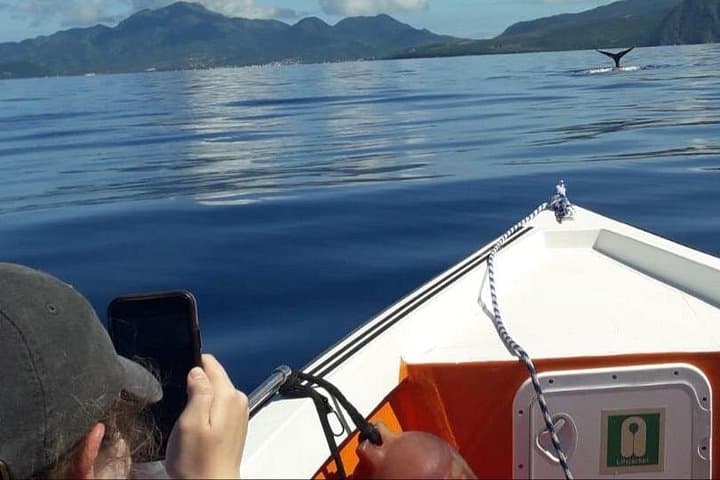
The engine thrum drops to a hush as the boat eases off Roseau’s ferry pier and the island opens into a wide, Caribbean horizon. Salt air sharpens your senses; the guide scans with the same steady patience that the crew uses to approach a pod. Water gleams turquoise, and every surface seems keyed to listen for a blow or the slap of a fluke.
The engine thrum drops to a hush as the boat eases off Roseau’s ferry pier and the island opens into a wide, Caribbean horizon. Salt air sharpens your senses; the guide scans with the same steady patience that the crew uses to approach a pod. Water gleams turquoise, and every surface seems keyed to listen for a blow or the slap of a fluke.
Dominica’s volcanic spine carves the island’s dramatic profiles, and its deep offshore canyons make this one of the few places where sperm whales stay year-round. Colonial-era shipping and local fishing shaped coastal communities here, while the Kalinago and later European settlers left a layered cultural landscape you glimpse from the water — small settlements, steep ridgelines, and rainforest that pushes almost to the shore.
On a three-hour cruise with a government-approved operator you’ll learn marine behavior, local regulations, and the science behind whale distribution. Guides follow strict approach distances and never lure animals; sightings often include spinner and spotted dolphins and, seasonally, humpbacks and pilot whales.
Practical guide: bring sun protection, a camera with a telephoto or a pair of binoculars, and motion-sickness remedies if you’re sensitive. Boats are small (max eight), which means a more intimate experience but also limited shade and room to move. Cruises depart daily from the Roseau ferry terminal — show up early, listen to your guide, and respect wildlife etiquette. For photographers and nature lovers alike, this is a focused, low-impact way to connect with some of the ocean’s largest residents.