THE ADVENTURE COLLECTIVE® · Independent discovery and booking for outdoor travel

Head offshore from Trincomalee on a three-hour dolphin-watching cruise to see spinner and bottlenose dolphins leap and spin beside the boat. Morning trips offer calmer seas and the best light for sightings and photos.
Head offshore from Trincomalee on a three-hour dolphin-watching cruise to see spinner and bottlenose dolphins leap and spin beside the boat. Morning trips offer calmer seas and the best light for sightings and photos.
The boat slips away from Trincomalee’s shore with the harbor behind you and the open Indian Ocean ahead, salt wind pushing at your hair and a thin line of coastline shrinking toward the horizon.
Verified experiences and guided adventures in the surrounding area.
Operated by ZRI Adventures · Trincomalee, Eastern Province
The boat slips away from Trincomalee’s shore with the harbor behind you and the open Indian Ocean ahead, salt wind pushing at your hair and a thin line of coastline shrinking toward the horizon.
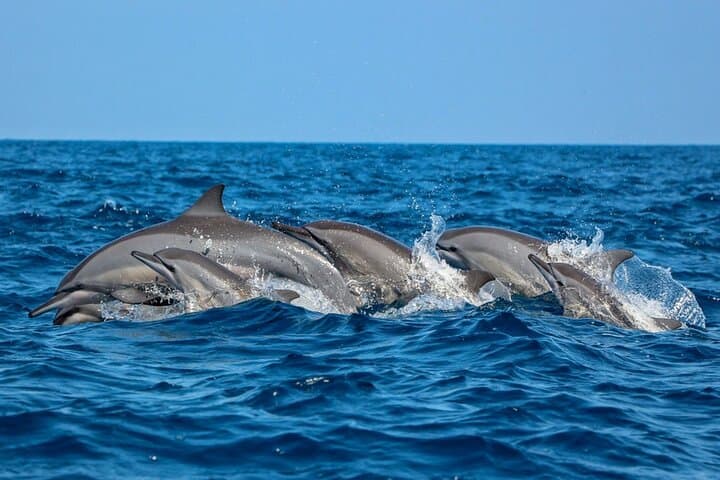
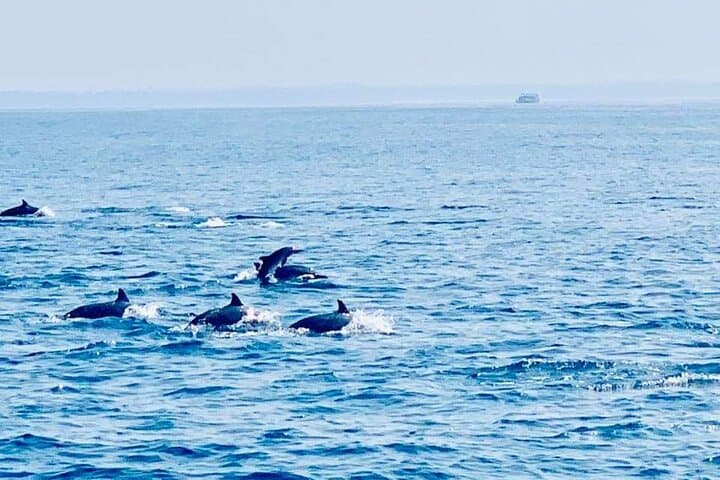
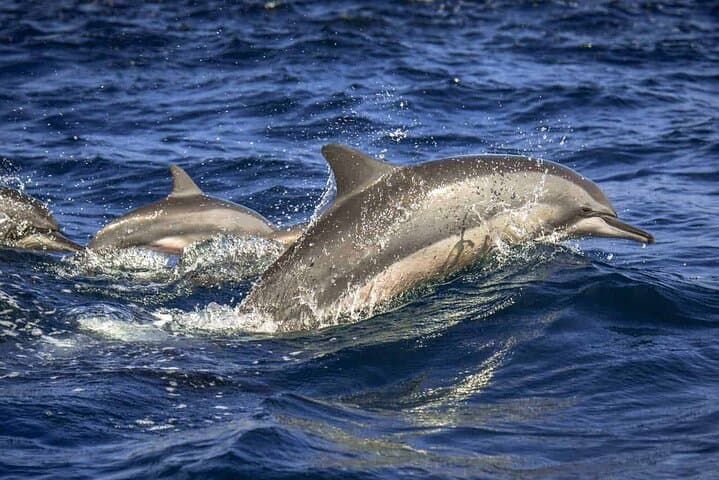
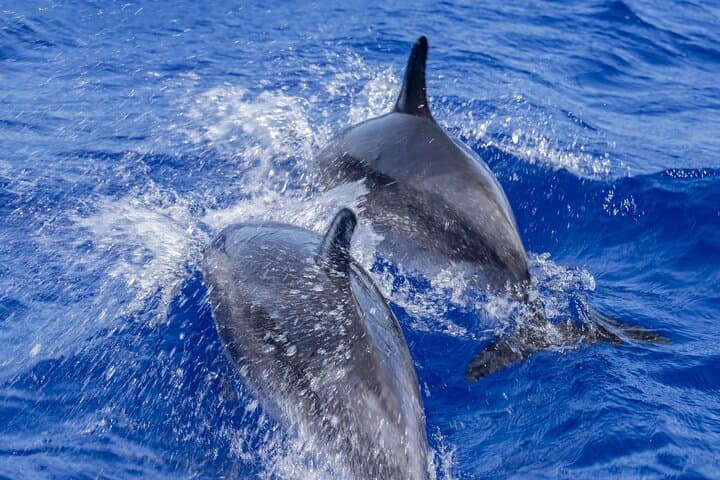
Within 20–40 minutes of steady running you reach deeper water where pods of spinner and bottlenose dolphins frequently travel. They appear with sudden energy—rising, spinning, and arcing across the bow—while flying fish tap the surface and sea birds wheel overhead. The scene is kinetic and immediate: animals moving with their own intent, boats falling into rhythm around them.
Trincomalee’s deep-water channel is the result of a natural harbor carved into ancient Precambrian rocks and reef structures; the area has been a strategic port for centuries, referenced in local histories and guarded by the Koneswaram Temple on the headland.
Culturally, marine life here supports small coastal communities and a growing ecotourism economy; many operators run short, 3-hour trips focused on wildlife viewing and minimal disturbance.
Practical guide: tours typically last about three hours and run in the morning when seas are calmer. Expect moderate sun exposure and spray—bring sun protection, a wind layer, binoculars, and seasickness medication if you’re prone.
Respect the animals: follow the crew’s guidance on distance and approach. Peak sightings generally occur in the dry season (April–September), but wildlife is never guaranteed.
This outing is accessible for most fitness levels and rewards quiet attention—watch for sudden bursts of speed, spinning dolphins, and the occasional turtle or whale far offshore.
easy.
2–3 hours.
Suitable for most people who can board a small boat and stand or sit for up to three hours; minimal exertion required.
No—sightings are common but not guaranteed; operators run tours when conditions are suitable and will cancel in bad weather.
Most tours are about three hours from shore departure to return, with 20–60 minutes spent in prime wildlife areas depending on sightings.
Yes—children can join but should be supervised, wear life jackets, and follow crew guidance; young children may be more affected by spray and motion.
Do not attempt to touch or feed dolphins, throw objects into the water, or make sudden loud noises; keep a respectful distance and follow crew instructions.
Trincomalee is an ancient natural harbor with centuries of maritime history and the historic Koneswaram temple overlooking the bay.
Portions of the nearby reef and islands are protected; operators are encouraged to avoid close approaches and reduce plastic waste to limit disturbance.
ZRI Adventures operates guided outdoor trips and adventures with an emphasis on safety, stewardship, and memorable experiences.
The boat slips away from Trincomalee’s shore with the harbor behind you and the open Indian Ocean ahead, salt wind pushing at your hair and a thin line of coastline shrinking toward the horizon.
The boat slips away from Trincomalee’s shore with the harbor behind you and the open Indian Ocean ahead, salt wind pushing at your hair and a thin line of coastline shrinking toward the horizon.
Within 20–40 minutes of steady running you reach deeper water where pods of spinner and bottlenose dolphins frequently travel. They appear with sudden energy—rising, spinning, and arcing across the bow—while flying fish tap the surface and sea birds wheel overhead. The scene is kinetic and immediate: animals moving with their own intent, boats falling into rhythm around them.
Trincomalee’s deep-water channel is the result of a natural harbor carved into ancient Precambrian rocks and reef structures; the area has been a strategic port for centuries, referenced in local histories and guarded by the Koneswaram Temple on the headland.
Culturally, marine life here supports small coastal communities and a growing ecotourism economy; many operators run short, 3-hour trips focused on wildlife viewing and minimal disturbance.
Practical guide: tours typically last about three hours and run in the morning when seas are calmer. Expect moderate sun exposure and spray—bring sun protection, a wind layer, binoculars, and seasickness medication if you’re prone.
Respect the animals: follow the crew’s guidance on distance and approach. Peak sightings generally occur in the dry season (April–September), but wildlife is never guaranteed.
This outing is accessible for most fitness levels and rewards quiet attention—watch for sudden bursts of speed, spinning dolphins, and the occasional turtle or whale far offshore.