THE ADVENTURE COLLECTIVE® · Independent discovery and booking for outdoor travel

Head offshore from Muscat for a 3–4 hour dolphin-watching and snorkeling trip to Bandar Khiran. Expect close dolphin encounters, shallow coral reefs, and the chance to snorkel with turtles; departures usually include transfers and bottled water.
Head offshore from Muscat for a 3–4 hour dolphin-watching and snorkeling trip to Bandar Khiran. Expect close dolphin encounters, shallow coral reefs, and the chance to snorkel with turtles; departures usually include transfers and bottled water.
The boat slips away from Muscat's rocky coastline and the city sound recedes — only wind, the engine's pulse, and the sea ahead. Dolphins often appear like punctuation marks: sudden arcs of gray that dare you to keep up. On clear mornings the water around Bandar Khiran turns from slate to turquoise, and the captain steers toward shoals where spinner and bottlenose dolphins hunt and play.
Verified experiences and guided adventures in the surrounding area.
Operated by Oman Day Tours · Muscat, Muscat Governorate
The boat slips away from Muscat's rocky coastline and the city sound recedes — only wind, the engine's pulse, and the sea ahead. Dolphins often appear like punctuation marks: sudden arcs of gray that dare you to keep up. On clear mornings the water around Bandar Khiran turns from slate to turquoise, and the captain steers toward shoals where spinner and bottlenose dolphins hunt and play.
Oman's coastline is maritime history in motion — a centuries-old route for dhows and traders linking the Arabian Peninsula with East Africa and India. Geologically, the Muscat coast is shaped by folded limestone and offshore coral platforms; those coral bommies host the reef life you'll see while snorkeling. Locally, fishing and seamanship remain central to coastal villages; guides on these tours often come from families who have worked these waters for generations.
Expect a two- to four-hour outing with a dolphin-watch leg followed by roughly an hour of snorkeling at Bandar Khiran's sheltered bays. Captains point out species — spinner, common and bottlenose dolphins — but sightings aren't guaranteed. Snorkel sites feature shallow reefs and turtle foraging grounds; currents are usually mild but can change with tides.
Practical tips: choose a morning departure for calmer seas and clearer water, wear a reef-safe sunscreen and a snug mask, and bring motion-sickness prevention if you're sensitive. Respect wildlife: observe from a distance, don't chase or feed animals, and avoid standing on reefs. Pickup, bottled water and park fees are commonly included; carry your passport for transfer. This tour is an accessible, family-friendly way to meet Oman's marine life while learning a bit of the coastline's living history.
easy.
3–4 hours.
Suitable for most fitness levels; participants should be comfortable entering water and able to swim short distances.
No — tours seek dolphin pods frequently seen in the area, but sightings depend on marine activity and cannot be guaranteed.
Basic swimming ability and comfort in shallow water are recommended; guides provide flotation when needed and life jackets are usually available.
Most departures include round-trip private transfer from Muscat-area hotels; confirm pickup details at booking and have your passport available for transfers.
Yes — families are welcome. Infants and children must be accompanied by an adult and child rates may apply when sharing with two paying adults.
Muscat's coast has long been a crossroads for dhows and traders; local seafaring traditions influence guiding and boatcraft still used today.
Parts of the Muscat offshore are managed to protect coral and turtles; practice reef-safe snorkeling, avoid touching coral, and do not feed marine animals.
Oman Day Tours operates guided outdoor trips and adventures with an emphasis on safety, stewardship, and memorable experiences.

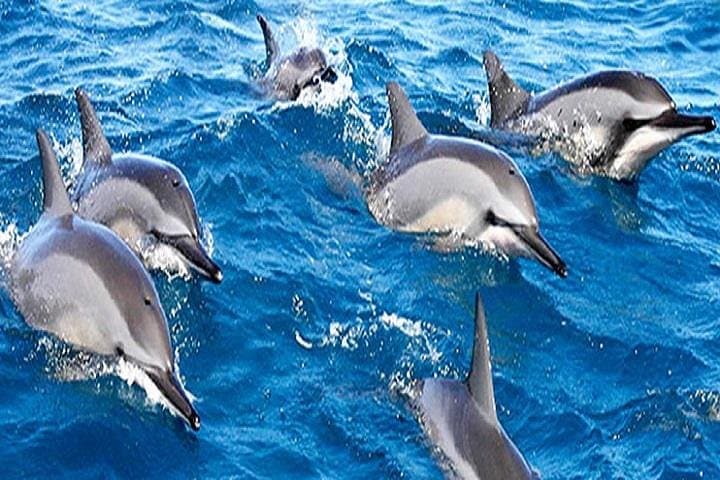

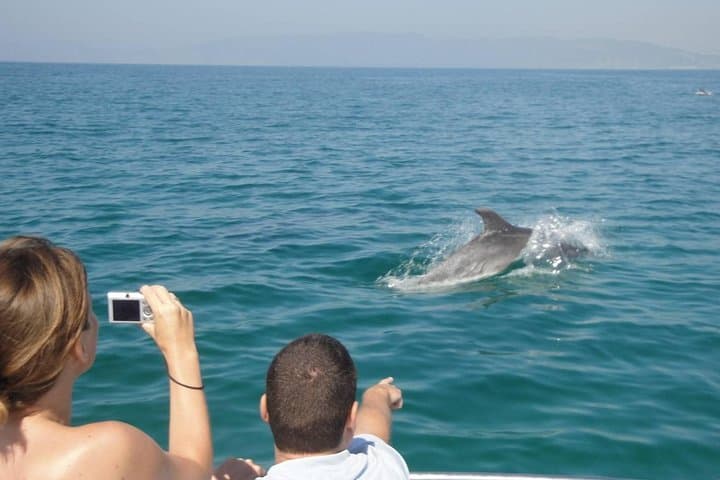
The boat slips away from Muscat's rocky coastline and the city sound recedes — only wind, the engine's pulse, and the sea ahead. Dolphins often appear like punctuation marks: sudden arcs of gray that dare you to keep up. On clear mornings the water around Bandar Khiran turns from slate to turquoise, and the captain steers toward shoals where spinner and bottlenose dolphins hunt and play.
The boat slips away from Muscat's rocky coastline and the city sound recedes — only wind, the engine's pulse, and the sea ahead. Dolphins often appear like punctuation marks: sudden arcs of gray that dare you to keep up. On clear mornings the water around Bandar Khiran turns from slate to turquoise, and the captain steers toward shoals where spinner and bottlenose dolphins hunt and play.
Oman's coastline is maritime history in motion — a centuries-old route for dhows and traders linking the Arabian Peninsula with East Africa and India. Geologically, the Muscat coast is shaped by folded limestone and offshore coral platforms; those coral bommies host the reef life you'll see while snorkeling. Locally, fishing and seamanship remain central to coastal villages; guides on these tours often come from families who have worked these waters for generations.
Expect a two- to four-hour outing with a dolphin-watch leg followed by roughly an hour of snorkeling at Bandar Khiran's sheltered bays. Captains point out species — spinner, common and bottlenose dolphins — but sightings aren't guaranteed. Snorkel sites feature shallow reefs and turtle foraging grounds; currents are usually mild but can change with tides.
Practical tips: choose a morning departure for calmer seas and clearer water, wear a reef-safe sunscreen and a snug mask, and bring motion-sickness prevention if you're sensitive. Respect wildlife: observe from a distance, don't chase or feed animals, and avoid standing on reefs. Pickup, bottled water and park fees are commonly included; carry your passport for transfer. This tour is an accessible, family-friendly way to meet Oman's marine life while learning a bit of the coastline's living history.