THE ADVENTURE COLLECTIVE® · Independent discovery and booking for outdoor travel

Head out from Setúbal on a fast, nimble boat to seek the resident bottlenose dolphins of the Sado estuary. This two- to three-hour trip pairs close observation with practical guidance to help you stay comfortable and respectful at sea.
Head out from Setúbal on a fast, nimble boat to seek the resident bottlenose dolphins of the Sado estuary. This two- to three-hour trip pairs close observation with practical guidance to help you stay comfortable and respectful at sea.
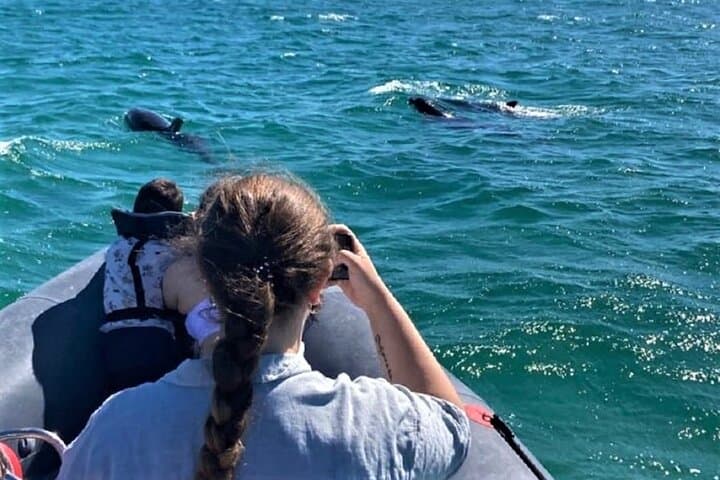
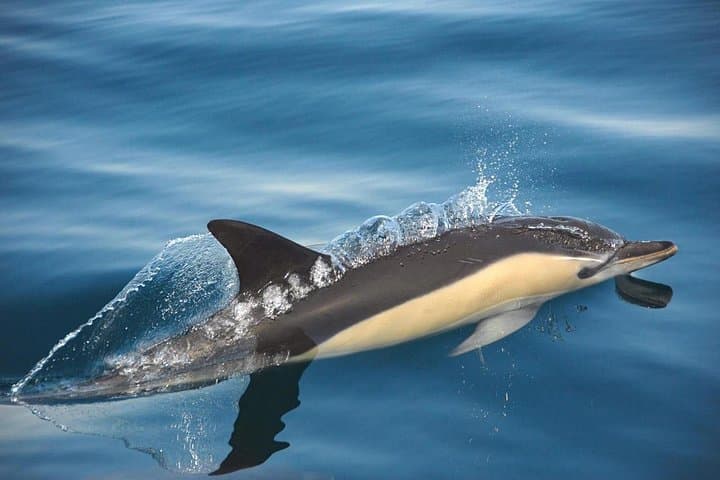
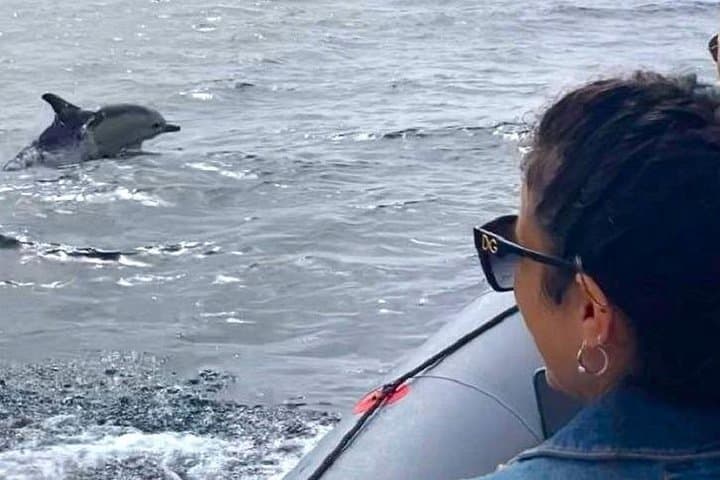
Morning light slices across Setúbal's harbor as the boat slips past Albarquel beach and the Sado River opens toward the Atlantic. Sea spray and salt sharpen the air; a sleek silhouette breaches and the dolphins answer the current, quick and inquisitive.
Verified experiences and guided adventures in the surrounding area.
Operated by Longitude - turismo náutico e de natureza · Setúbal, Setúbal District
Morning light slices across Setúbal's harbor as the boat slips past Albarquel beach and the Sado River opens toward the Atlantic. Sea spray and salt sharpen the air; a sleek silhouette breaches and the dolphins answer the current, quick and inquisitive.
The Sado estuary supports a resident bottlenose dolphin population shaped by river sediment and the limestone cliffs of Arrábida. Setúbal’s maritime past—fishing, shipbuilding and salt pans—still guides local skippers who read tides and seasonal movements the way inland guides read trails.
On a typical two- to three-hour outing you’ll follow the estuary mouth, pass the Outão lighthouse, and scan islands at the river’s mouth. The operator uses a fast, maneuverable boat to match dolphin travel without chasing them; expect bottlenose dolphins closer to the river and common dolphins further offshore. Sightings are frequent, but these are wild animals and every trip is unique.
Practical guidance: wear windproof layers and non-slip shoes, bring a camera with a zoom and binoculars, and carry sunscreen and water. If you’re prone to seasickness, take medication before boarding. Morning departures generally offer calmer seas and sharper light for photos. Follow crew instructions, avoid feeding or attempting to touch wildlife, and pack out all trash—small actions help protect the Sado’s marine life for future passages.
easy.
2–3 hours.
Minimal fitness required; participants should be able to stand and move on a small boat for up to three hours.
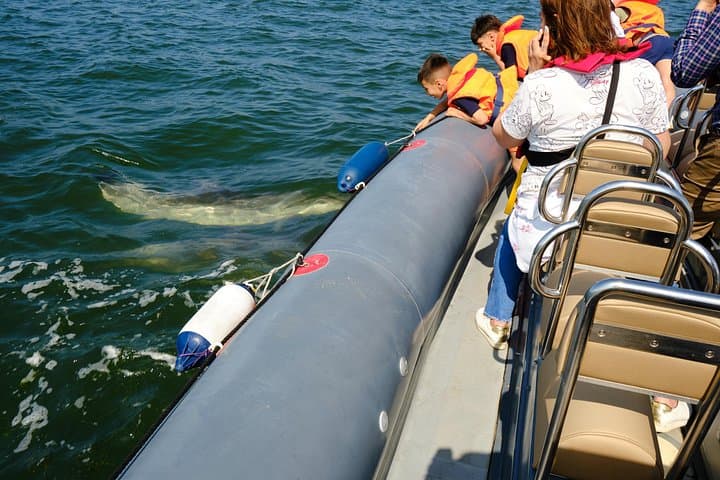
Yes—operators typically welcome children, but infants may need to sit on an adult’s lap and lifejackets are provided.
Boats can approach fairly close due to their maneuverability, but captains follow regulations to avoid stressing the animals and will keep appropriate distance when necessary.
Most operators report very high sighting rates; if dolphins aren’t found you’ll usually receive a repeat voucher or refund policy options per the operator’s terms.
The ride can be bumpy; operators may advise against participation for those with spinal issues or pregnancy—check medical suitability before booking.
The Sado estuary has supported fishing and salt production for centuries; the resident bottlenose population has been studied by Portuguese researchers for decades.
Operators follow local codes to minimize disturbance—no feeding, regulated approach distances, and support for marine protected areas help sustain the Sado ecosystem.
Longitude - turismo náutico e de natureza operates guided outdoor trips and adventures with an emphasis on safety, stewardship, and memorable experiences.
Morning light slices across Setúbal's harbor as the boat slips past Albarquel beach and the Sado River opens toward the Atlantic. Sea spray and salt sharpen the air; a sleek silhouette breaches and the dolphins answer the current, quick and inquisitive.
Morning light slices across Setúbal's harbor as the boat slips past Albarquel beach and the Sado River opens toward the Atlantic. Sea spray and salt sharpen the air; a sleek silhouette breaches and the dolphins answer the current, quick and inquisitive.
The Sado estuary supports a resident bottlenose dolphin population shaped by river sediment and the limestone cliffs of Arrábida. Setúbal’s maritime past—fishing, shipbuilding and salt pans—still guides local skippers who read tides and seasonal movements the way inland guides read trails.
On a typical two- to three-hour outing you’ll follow the estuary mouth, pass the Outão lighthouse, and scan islands at the river’s mouth. The operator uses a fast, maneuverable boat to match dolphin travel without chasing them; expect bottlenose dolphins closer to the river and common dolphins further offshore. Sightings are frequent, but these are wild animals and every trip is unique.
Practical guidance: wear windproof layers and non-slip shoes, bring a camera with a zoom and binoculars, and carry sunscreen and water. If you’re prone to seasickness, take medication before boarding. Morning departures generally offer calmer seas and sharper light for photos. Follow crew instructions, avoid feeding or attempting to touch wildlife, and pack out all trash—small actions help protect the Sado’s marine life for future passages.