THE ADVENTURE COLLECTIVE® · Independent discovery and booking for outdoor travel

Set sail from Pula for a three-hour sunset cruise to Brijuni National Park where guides, binoculars and dinner are included. Watch for bottlenose dolphins in shallow bays while learning the islands’ geological and cultural history.
Set sail from Pula for a three-hour sunset cruise to Brijuni National Park where guides, binoculars and dinner are included. Watch for bottlenose dolphins in shallow bays while learning the islands’ geological and cultural history.
The harbor light in Pula blinks against chop as the boat pushes off for Brijuni; gulls announce the route and the Adriatic opens like a map. Within minutes the city’s Roman outline slips astern and the islands of Brijuni appear as low, rocky silhouettes crowned with pine and scrub.
Verified experiences and guided adventures in the surrounding area.
Operated by PECO TOURS · Pula, Istria
The harbor light in Pula blinks against chop as the boat pushes off for Brijuni; gulls announce the route and the Adriatic opens like a map. Within minutes the city’s Roman outline slips astern and the islands of Brijuni appear as low, rocky silhouettes crowned with pine and scrub.
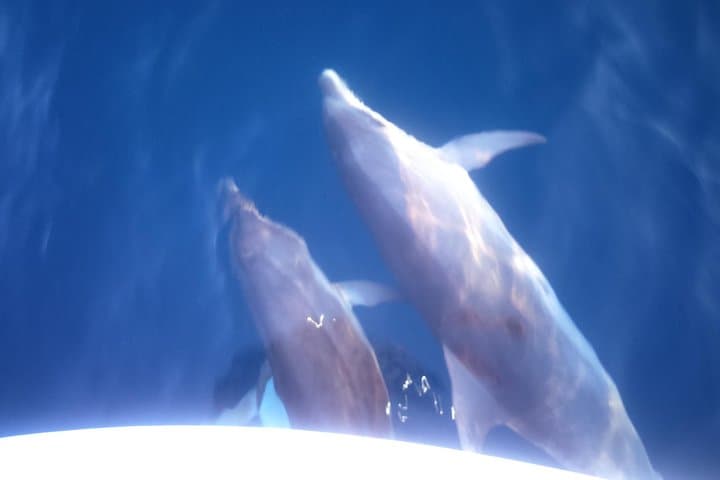
Brijuni National Park is a stitched landscape of limestone coastlines and shallow bays shaped by Adriatic currents and karst processes. The islands carry layers of history—from Roman fishponds to the Yugoslav presidential estate—so every cove has a human footprint as well as geological character. Guides on these cruises point out rocky promontories where bottlenose dolphins often hunt and shallow, seagrass-rich bays that attract seabirds.
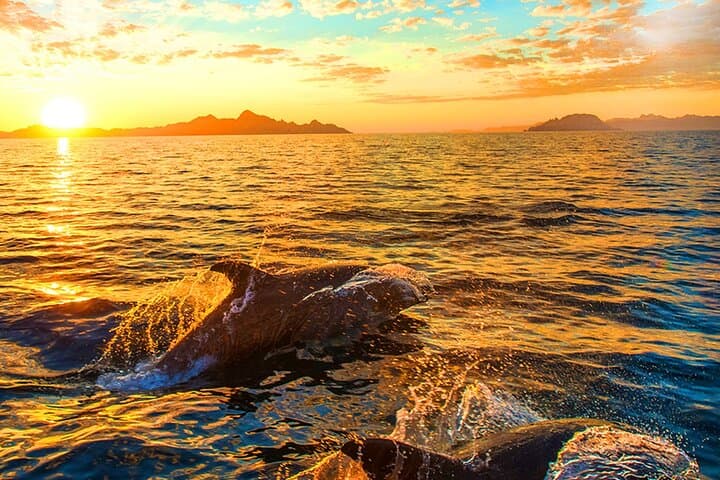
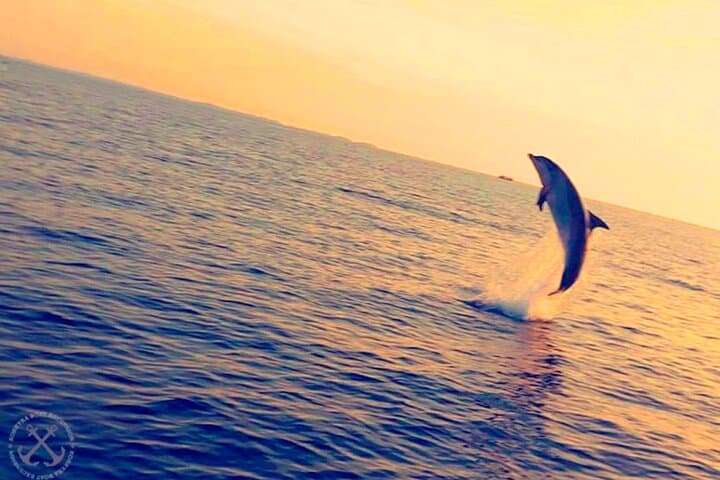
Expect practical comforts: guided narration, binoculars, dinner on board and an open bar during the roughly three-hour cruise. The tour times target evening light because dolphins are often more active near shore at dusk, and the sunset creates low-angle visibility for watching surface behavior.
Plan for mild motion on open stretches and standing time on deck; the outing is rated easy physically but requires basic mobility for boarding. Bring a light wind layer, non-slip shoes and a camera with a zoom lens or binoculars included by the operator. If you’re prone to seasickness, take precautions before boarding.
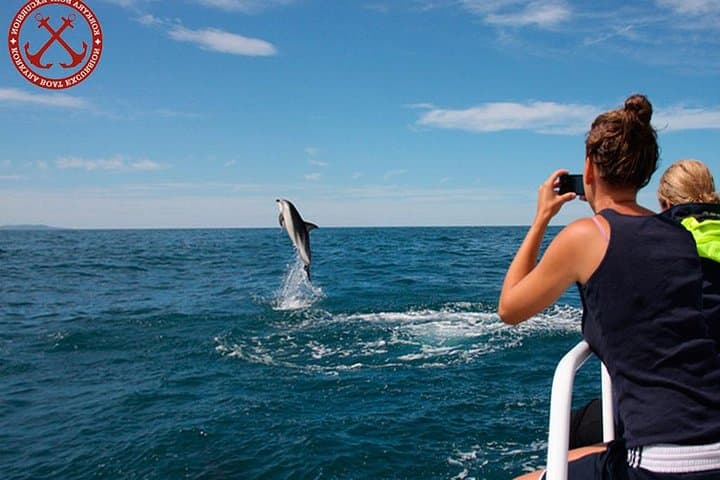
Respect wildlife-viewing etiquette: keep noise low, avoid flash photography, and let the crew guide any approach distance. A responsible outing balances the thrill of discovery with quiet stewardship—watching dolphins on the approach to Brijuni is as much about timing and patience as it is about spectacle.
easy.
2.5–3 hours.
Suitable for most fitness levels; must be able to board a small ship and stand on deck for periods.
While sightings can’t be guaranteed, bottlenose dolphins are commonly encountered in the Brijuni archipelago—guides choose routes with recent activity to maximize chances.
The cruise departs from Pula harbor and returns there after the roughly three-hour loop toward Brijuni National Park.
Yes—dinner is served onboard with options (fish, meat, vegetarian) and an open bar offering wine, soft drinks and water.
Yes—infants may sit on laps and small children can be accommodated, but children must be supervised at all times on deck.
Brijuni was a Roman and later Austro-Hungarian outpost and gained 20th-century fame as the Yugoslav leader Tito’s retreat—traces of each era remain on the islands.
As a protected national park, Brijuni enforces boat approach rules and habitat protection; operators follow guidelines to minimize disturbance to marine life.
PECO TOURS operates guided outdoor trips and adventures with an emphasis on safety, stewardship, and memorable experiences.
The harbor light in Pula blinks against chop as the boat pushes off for Brijuni; gulls announce the route and the Adriatic opens like a map. Within minutes the city’s Roman outline slips astern and the islands of Brijuni appear as low, rocky silhouettes crowned with pine and scrub.
The harbor light in Pula blinks against chop as the boat pushes off for Brijuni; gulls announce the route and the Adriatic opens like a map. Within minutes the city’s Roman outline slips astern and the islands of Brijuni appear as low, rocky silhouettes crowned with pine and scrub.
Brijuni National Park is a stitched landscape of limestone coastlines and shallow bays shaped by Adriatic currents and karst processes. The islands carry layers of history—from Roman fishponds to the Yugoslav presidential estate—so every cove has a human footprint as well as geological character. Guides on these cruises point out rocky promontories where bottlenose dolphins often hunt and shallow, seagrass-rich bays that attract seabirds.
Expect practical comforts: guided narration, binoculars, dinner on board and an open bar during the roughly three-hour cruise. The tour times target evening light because dolphins are often more active near shore at dusk, and the sunset creates low-angle visibility for watching surface behavior.
Plan for mild motion on open stretches and standing time on deck; the outing is rated easy physically but requires basic mobility for boarding. Bring a light wind layer, non-slip shoes and a camera with a zoom lens or binoculars included by the operator. If you’re prone to seasickness, take precautions before boarding.
Respect wildlife-viewing etiquette: keep noise low, avoid flash photography, and let the crew guide any approach distance. A responsible outing balances the thrill of discovery with quiet stewardship—watching dolphins on the approach to Brijuni is as much about timing and patience as it is about spectacle.