THE ADVENTURE COLLECTIVE® · Independent discovery and booking for outdoor travel

Head from Guayaquil to the Pacific shoreline for a half-day dolphin watch and seafood lunch at Puerto El Morro. Expect close dolphin encounters, coastal scenery and a straightforward, family‑friendly outing.
Head from Guayaquil to the Pacific shoreline for a half-day dolphin watch and seafood lunch at Puerto El Morro. Expect close dolphin encounters, coastal scenery and a straightforward, family‑friendly outing.
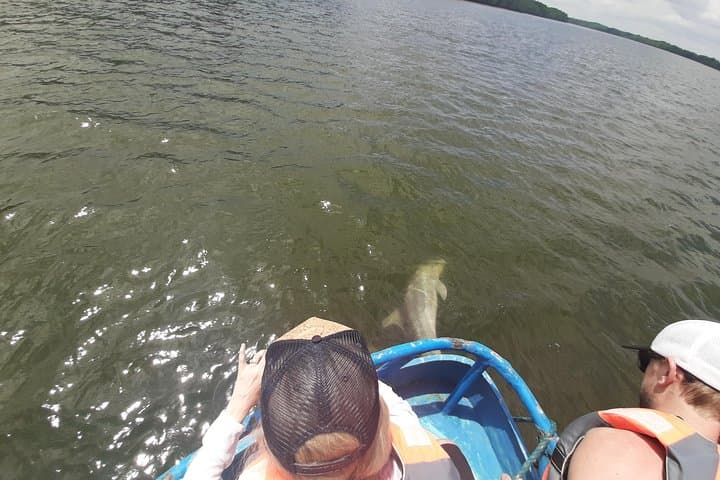
Morning light slices across the Guayaquil waterfront as your guide collects you from a downtown hotel and points the van toward the Pacific. Roads give way to salt-scented air; the shoreline unfurls and, before the boat clears the cove, fins and flashes of silver begin to appear. Dolphins here move with intent—spinning, breaching and slicing through swells that dare you to keep pace.
Verified experiences and guided adventures in the surrounding area.
Operated by Jefferson Berlin Salvatierra Valero · Guayaquil, Guayas
Morning light slices across the Guayaquil waterfront as your guide collects you from a downtown hotel and points the van toward the Pacific. Roads give way to salt-scented air; the shoreline unfurls and, before the boat clears the cove, fins and flashes of silver begin to appear. Dolphins here move with intent—spinning, breaching and slicing through swells that dare you to keep pace.
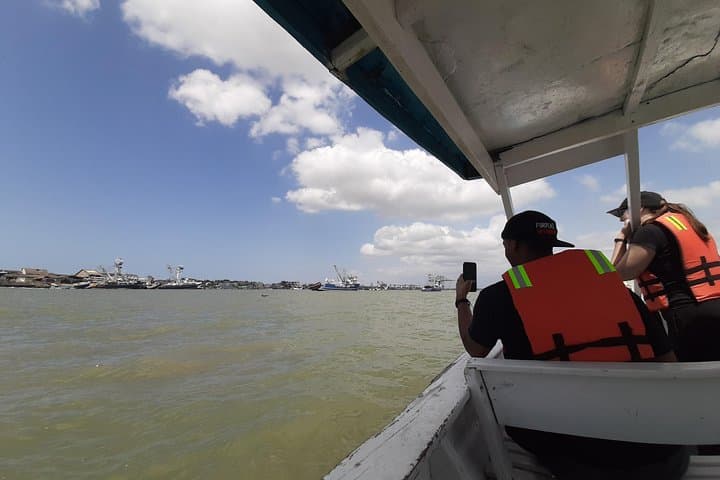
The stretch of coast around Puerto El Morro has long been a working shoreline for fishermen and small ports, shaped by upwelling that feeds abundant fish and draws marine mammals. Geologically, the area is a mix of sandy beaches, rocky points and estuarine mouths where mangroves anchor life and shorebirds forage. Culturally, local villages serve fresh ceviche and fried fish—lunch at a simple waterfront spot gives a direct link to coastal traditions.
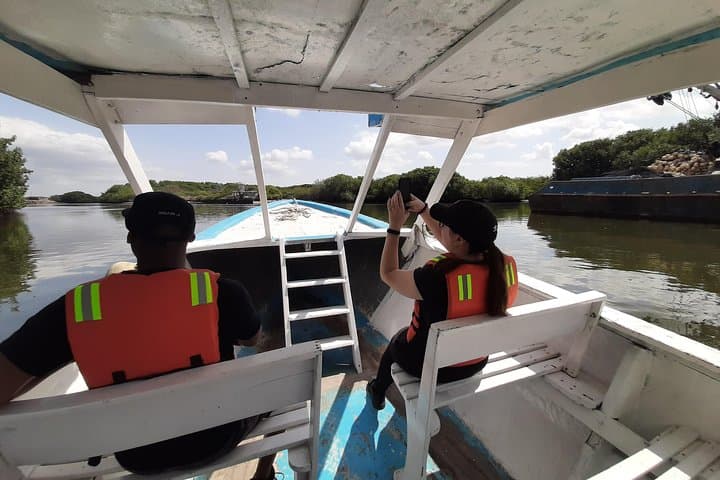
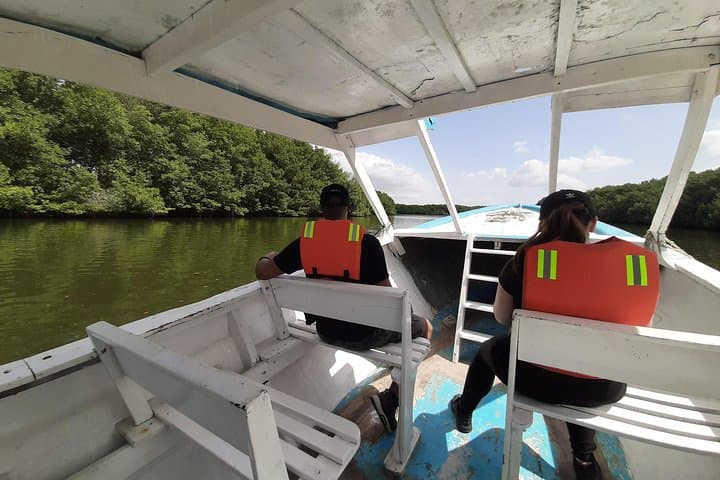
Expect a roughly six‑hour excursion: hotel pickup in Guayaquil, about 90 minutes of scenic transfer each way, a one‑hour focused dolphin watch and time ashore for lunch. Conditions are variable—calm mornings bring the best show and easier glass‑bottom visibility; winds can build in the afternoon. Practical points: bring a hat, reef‑safe sunscreen, light windbreaker, and motion‑sickness meds if you’re sensitive. Binoculars and a fast camera help capture close passes; keep a respectful distance and follow your guide’s instructions. The trip balances reliable wildlife viewing with low‑impact coastal culture—an accessible, rewarding day on Ecuador’s Pacific edge.
easy.
6 hours.
Suitable for most fitness levels; involves short walks onshore and time aboard a small boat so basic mobility is needed
The dedicated dolphin‑watching period is about one hour, embedded in a roughly six‑hour roundtrip that includes transfers and lunch.
Yes—operators list it as suitable for all fitness levels, though mobility needs for boarding the boat should be considered.
Common sightings include bottlenose and spotted/common dolphins; pod size and behaviors vary by season and baitfish availability.
Yes—lunch is included and typically consists of local seafood or fish prepared at a coastal restaurant or beachside eatery.
This coastline has been used by artisanal fishers for generations; small ports and seafood traditions reflect colonial trade routes and local marine economies.
Operators should follow no‑approach rules and avoid feeding wildlife; use reef‑safe sunscreen and dispose of waste inland to protect nearshore ecosystems.
Jefferson Berlin Salvatierra Valero operates guided outdoor trips and adventures with an emphasis on safety, stewardship, and memorable experiences.
Morning light slices across the Guayaquil waterfront as your guide collects you from a downtown hotel and points the van toward the Pacific. Roads give way to salt-scented air; the shoreline unfurls and, before the boat clears the cove, fins and flashes of silver begin to appear. Dolphins here move with intent—spinning, breaching and slicing through swells that dare you to keep pace.
Morning light slices across the Guayaquil waterfront as your guide collects you from a downtown hotel and points the van toward the Pacific. Roads give way to salt-scented air; the shoreline unfurls and, before the boat clears the cove, fins and flashes of silver begin to appear. Dolphins here move with intent—spinning, breaching and slicing through swells that dare you to keep pace.
The stretch of coast around Puerto El Morro has long been a working shoreline for fishermen and small ports, shaped by upwelling that feeds abundant fish and draws marine mammals. Geologically, the area is a mix of sandy beaches, rocky points and estuarine mouths where mangroves anchor life and shorebirds forage. Culturally, local villages serve fresh ceviche and fried fish—lunch at a simple waterfront spot gives a direct link to coastal traditions.
Expect a roughly six‑hour excursion: hotel pickup in Guayaquil, about 90 minutes of scenic transfer each way, a one‑hour focused dolphin watch and time ashore for lunch. Conditions are variable—calm mornings bring the best show and easier glass‑bottom visibility; winds can build in the afternoon. Practical points: bring a hat, reef‑safe sunscreen, light windbreaker, and motion‑sickness meds if you’re sensitive. Binoculars and a fast camera help capture close passes; keep a respectful distance and follow your guide’s instructions. The trip balances reliable wildlife viewing with low‑impact coastal culture—an accessible, rewarding day on Ecuador’s Pacific edge.