THE ADVENTURE COLLECTIVE® · Independent discovery and booking for outdoor travel

Cruise from Hubbard’s Marina into the calm back bays of John’s Pass on a 90-minute, narrated eco tour. Expect close-up dolphin behavior, seabirds, and a mix of local history and natural science—ideal for families and first-time wildlife viewers.
Cruise from Hubbard’s Marina into the calm back bays of John’s Pass on a 90-minute, narrated eco tour. Expect close-up dolphin behavior, seabirds, and a mix of local history and natural science—ideal for families and first-time wildlife viewers.
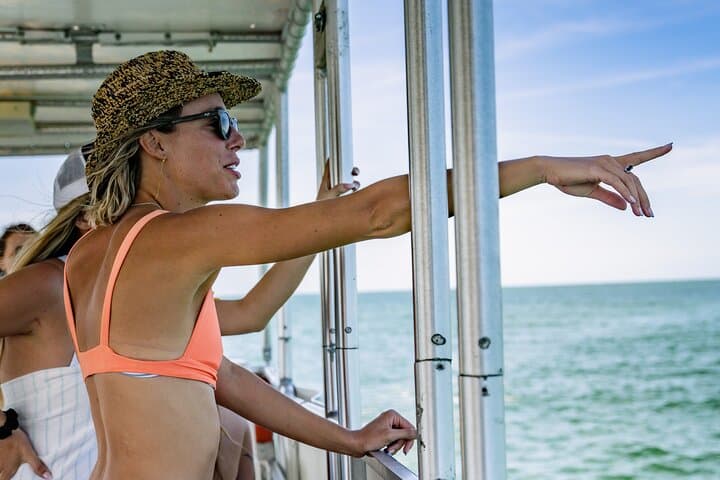
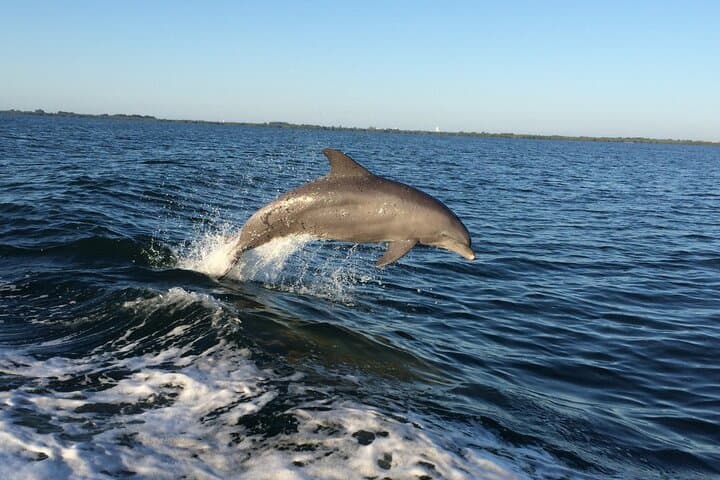
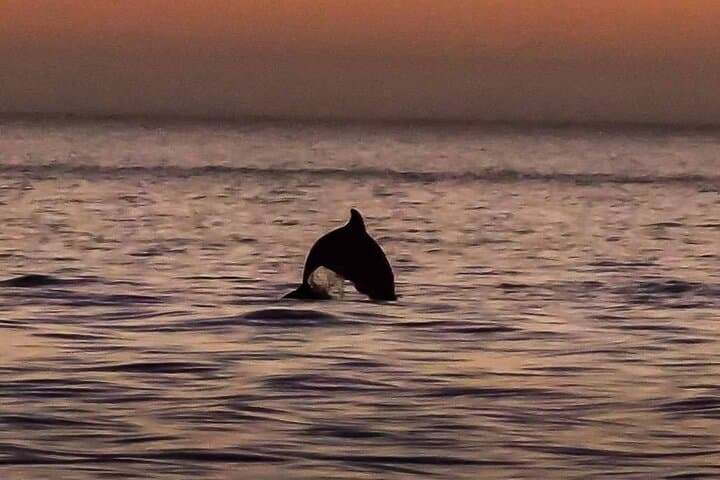
The boat eases out of Hubbard’s Marina and the channel opens into back-bay waters that move like a slow, reflective road. Salt air and gull calls set the tempo; mangrove fingers line the shoreline and bobbing docks give way to wider flats where dolphins often appear in tight, graceful arcs.
Verified experiences and guided adventures in the surrounding area.
Operated by Hubbard's Marina · Madeira Beach, Florida
The boat eases out of Hubbard’s Marina and the channel opens into back-bay waters that move like a slow, reflective road. Salt air and gull calls set the tempo; mangrove fingers line the shoreline and bobbing docks give way to wider flats where dolphins often appear in tight, graceful arcs.
John’s Pass formed in the mid-1800s when a hurricane cut through the barrier island; today the pass threads together a working fishing village, residential waterfronts, and protected bird islands. Geologically the area is young—sandy spits and oyster beds reshaped by tides—so marshes and mangroves dominate the nearshore profile. Culturally, the pass is a blend of commercial fishing heritage and recreational tourism; narrators aboard will mix local lore with natural history, pointing out nesting terns, commercial traps, and waterfront architecture.
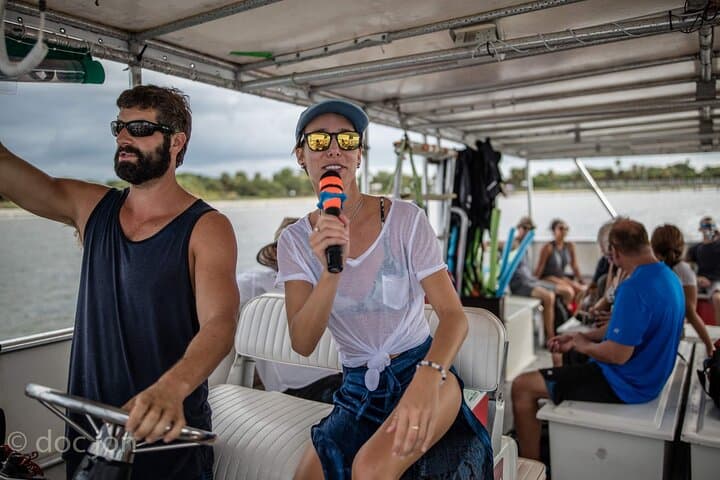
On this 90-minute tour aboard “The Big Blue Boat,” expect fully narrated sightings focused on bottlenose dolphins, occasional manatees, and abundant seabirds. The vessel is USCG-certified, stable, and carries onboard restrooms and a small snack bar. Wildlife encounters are never guaranteed—wild animals move on their own schedule—but the protected shallow waters here concentrate feeding activity, improving odds.
Practical guidance: arrive 30–45 minutes early for check-in, bring binoculars and a camera with a decent zoom, dress in layers for cool sea breeze, and use reef-safe sunscreen. If you’re prone to motion sickness, take preventive measures before boarding. The trip is accessible for most fitness levels and is family-friendly, offering an easy way to connect with Tampa Bay’s coastal ecology without strenuous effort.
easy.
1.5 hours.
Suitable for most fitness levels; mobility limitations should check boarding assistance with operator
The tour lasts approximately 90 minutes from departure to return, with narrated stops focused on wildlife viewing.
Yes, the vessel is equipped with onboard restrooms for guest convenience.
Most commonly bottlenose dolphins and seabirds; manatees and other shore species are possible but not guaranteed.
The vessel is relatively stable, but accessibility varies—contact Hubbard’s Marina ahead of time to confirm boarding arrangements and assistance.
John’s Pass opened after an 1848 hurricane; it grew into a fishing and shipping focal point and later a recreational hub as barrier-island communities developed.
The area’s mangroves and seagrass beds are ecologically sensitive; operators encourage low-impact viewing and using reef-safe sunscreens to reduce harm to marine life.
Hubbard's Marina operates guided outdoor trips and adventures with an emphasis on safety, stewardship, and memorable experiences.
The boat eases out of Hubbard’s Marina and the channel opens into back-bay waters that move like a slow, reflective road. Salt air and gull calls set the tempo; mangrove fingers line the shoreline and bobbing docks give way to wider flats where dolphins often appear in tight, graceful arcs.
The boat eases out of Hubbard’s Marina and the channel opens into back-bay waters that move like a slow, reflective road. Salt air and gull calls set the tempo; mangrove fingers line the shoreline and bobbing docks give way to wider flats where dolphins often appear in tight, graceful arcs.
John’s Pass formed in the mid-1800s when a hurricane cut through the barrier island; today the pass threads together a working fishing village, residential waterfronts, and protected bird islands. Geologically the area is young—sandy spits and oyster beds reshaped by tides—so marshes and mangroves dominate the nearshore profile. Culturally, the pass is a blend of commercial fishing heritage and recreational tourism; narrators aboard will mix local lore with natural history, pointing out nesting terns, commercial traps, and waterfront architecture.
On this 90-minute tour aboard “The Big Blue Boat,” expect fully narrated sightings focused on bottlenose dolphins, occasional manatees, and abundant seabirds. The vessel is USCG-certified, stable, and carries onboard restrooms and a small snack bar. Wildlife encounters are never guaranteed—wild animals move on their own schedule—but the protected shallow waters here concentrate feeding activity, improving odds.
Practical guidance: arrive 30–45 minutes early for check-in, bring binoculars and a camera with a decent zoom, dress in layers for cool sea breeze, and use reef-safe sunscreen. If you’re prone to motion sickness, take preventive measures before boarding. The trip is accessible for most fitness levels and is family-friendly, offering an easy way to connect with Tampa Bay’s coastal ecology without strenuous effort.