THE ADVENTURE COLLECTIVE® · Independent discovery and booking for outdoor travel

Head offshore from Trincomalee at first light to watch spinner dolphins ride the swell and cut through the coastal current. This two-hour small-boat excursion favors calm mornings, offers up-close sightings during key migration months, and is suited to most fitness levels.
Head offshore from Trincomalee at first light to watch spinner dolphins ride the swell and cut through the coastal current. This two-hour small-boat excursion favors calm mornings, offers up-close sightings during key migration months, and is suited to most fitness levels.
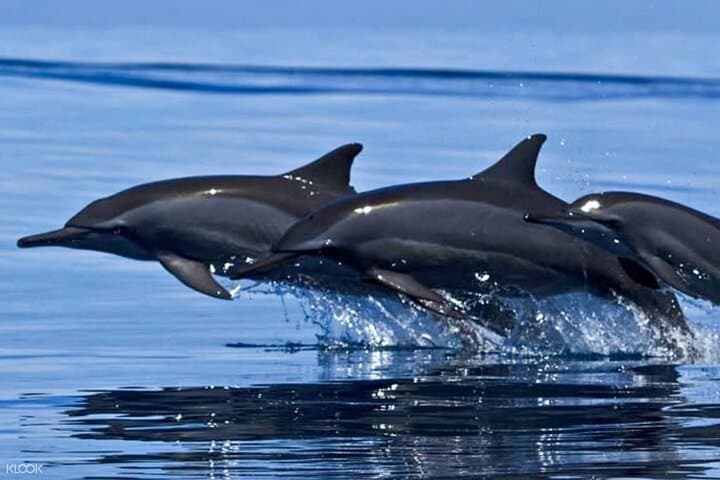
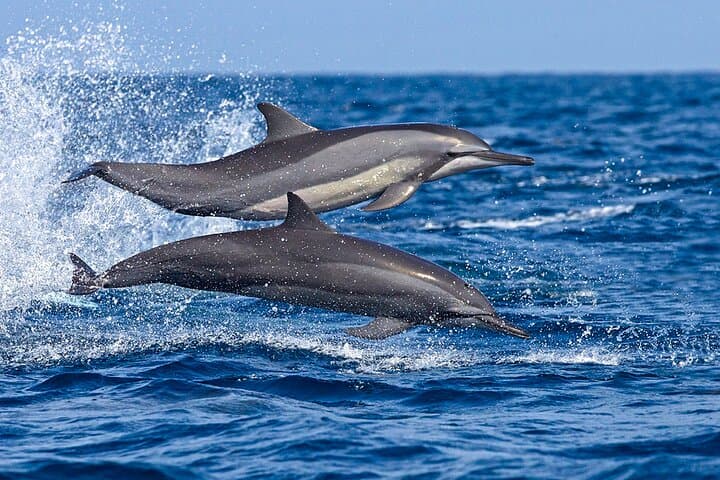
You push off from Trincomalee’s harbor at first light and the bay opens up like a pale sheet. The sea has a quick, curious energy here; waves nudge the hull and the air tastes faintly of salt and diesel. Within minutes the rhythm of the boat replaces the town’s hum and the horizon begins to breathe—dorsal fins, arcing bodies, and the unmistakable staccato of spinner dolphins breaking the surface.
Verified experiences and guided adventures in the surrounding area.
Operated by Lakpura LLC · Trincomalee, Eastern Province
You push off from Trincomalee’s harbor at first light and the bay opens up like a pale sheet. The sea has a quick, curious energy here; waves nudge the hull and the air tastes faintly of salt and diesel. Within minutes the rhythm of the boat replaces the town’s hum and the horizon begins to breathe—dorsal fins, arcing bodies, and the unmistakable staccato of spinner dolphins breaking the surface.
Trincomalee occupies a deep natural harbor carved by tectonic movement along Sri Lanka’s northeast coast; maritime trade and colonial garrisons have left layered footprints in its streets. The marine shelf offshore creates a productive corridor for pelagics, which is why dolphin migrations sweep past these waters most visibly between March–April and August–September, with many sightings possible from November to March as well.
Expect an observational, low-impact excursion: small boats, groups capped at six, and a naturalist available on a first-come basis. The trip is designed for general fitness—brief climbs in and out of low freeboards, steady standing while the captain searches for blows and fins. Cameras with a zoom lens repay patience; polarized sunglasses and steady footing keep you comfortable.
Practical notes: book mornings for calmer seas and cleaner light; wear reef-safe sunscreen and a wind layer; hydrate before boarding. Operators provide required safety gear and monitor weather closely—bad-weather cancellations are common and sensible.
This outing is less about adrenaline and more about proximity: you’ll share a few quiet, surprising minutes with wild dolphins as they push through the surf, show off, and continue on their long coastal migration.
easy.
2 hours.
Suitable for people in average physical condition; requires stepping on and off a small boat and standing for short periods.
Chances are good during migration windows (March–April and August–September), and many operators report regular sightings from November to March; however, sightings can’t be guaranteed due to weather and animal movement.
Yes—boats are small but stable; trips are marketed as suitable for all fitness levels. Operators provide safety gear, but discuss mobility limitations with the operator beforehand.
Take an over-the-counter or prescribed antiemetic before boarding, stay on deck in fresh air, look at the horizon, and avoid heavy meals before the trip.
Yes—operators commonly cancel for rough seas or poor visibility. You’ll typically be offered a refund or rescheduling if conditions are unsafe.
Trincomalee’s harbor has been a strategic maritime anchor for centuries, used by local kingdoms and colonial powers for its deep natural anchorage.
Operators encourage distance from pods and use small-group vessels; use reef-safe sunscreen and avoid discarding plastics to reduce local impact.
Lakpura LLC operates guided outdoor trips and adventures with an emphasis on safety, stewardship, and memorable experiences.
You push off from Trincomalee’s harbor at first light and the bay opens up like a pale sheet. The sea has a quick, curious energy here; waves nudge the hull and the air tastes faintly of salt and diesel. Within minutes the rhythm of the boat replaces the town’s hum and the horizon begins to breathe—dorsal fins, arcing bodies, and the unmistakable staccato of spinner dolphins breaking the surface.
You push off from Trincomalee’s harbor at first light and the bay opens up like a pale sheet. The sea has a quick, curious energy here; waves nudge the hull and the air tastes faintly of salt and diesel. Within minutes the rhythm of the boat replaces the town’s hum and the horizon begins to breathe—dorsal fins, arcing bodies, and the unmistakable staccato of spinner dolphins breaking the surface.
Trincomalee occupies a deep natural harbor carved by tectonic movement along Sri Lanka’s northeast coast; maritime trade and colonial garrisons have left layered footprints in its streets. The marine shelf offshore creates a productive corridor for pelagics, which is why dolphin migrations sweep past these waters most visibly between March–April and August–September, with many sightings possible from November to March as well.
Expect an observational, low-impact excursion: small boats, groups capped at six, and a naturalist available on a first-come basis. The trip is designed for general fitness—brief climbs in and out of low freeboards, steady standing while the captain searches for blows and fins. Cameras with a zoom lens repay patience; polarized sunglasses and steady footing keep you comfortable.
Practical notes: book mornings for calmer seas and cleaner light; wear reef-safe sunscreen and a wind layer; hydrate before boarding. Operators provide required safety gear and monitor weather closely—bad-weather cancellations are common and sensible.
This outing is less about adrenaline and more about proximity: you’ll share a few quiet, surprising minutes with wild dolphins as they push through the surf, show off, and continue on their long coastal migration.