THE ADVENTURE COLLECTIVE® · Independent discovery and booking for outdoor travel

Cruise from Faro into the Ria Formosa and Atlantic in a small-group wildlife tour led by marine biologists. Spot dolphins, seabirds and occasional pelagics while the crew collects research data and explains local marine ecology.
Cruise from Faro into the Ria Formosa and Atlantic in a small-group wildlife tour led by marine biologists. Spot dolphins, seabirds and occasional pelagics while the crew collects research data and explains local marine ecology.
A low, briny wind pushes the boat out past Faro’s marina as guides scan the horizon; the estuary opens and the Ria Formosa’s sandbanks recede into a line of pale ridges. On clear days the sea flashes silver and the grey backs of bottlenose dolphins cut clean arcs through the swell. The ride feels purposeful — quiet enough for a call to point out a distant dorsal fin, loud enough for seabirds to wheel overhead.
Verified experiences and guided adventures in the surrounding area.
Operated by Ocean Vibes Algarve · Faro, Algarve
A low, briny wind pushes the boat out past Faro’s marina as guides scan the horizon; the estuary opens and the Ria Formosa’s sandbanks recede into a line of pale ridges. On clear days the sea flashes silver and the grey backs of bottlenose dolphins cut clean arcs through the swell. The ride feels purposeful — quiet enough for a call to point out a distant dorsal fin, loud enough for seabirds to wheel overhead.
This stretch of the Algarve grew from shifting sands and tidal flows that formed one of Europe’s most important barrier-lagoon systems. Ria Formosa has fed local communities for centuries — salt pans, shellfish beds and small-scale fishing shaped Faro’s maritime culture. Today the same channels funnel migrating seabirds and pelagic visitors; marine biologists now pair tourism with coastal research to monitor cetacean populations.
Expect to encounter bottlenose and common dolphins most often; shearwaters, gannets and storm petrels are common seabird sightings. On lucky days you may see ocean sunfish, tuna, sea turtles or larger cetaceans. Guides will stop to record observations and explain behavior while minimizing disturbance.
Practical notes: tours are about 2.5 hours, small groups (under 9), and lifejackets are supplied. Seas can be calm or choppy — bring seasickness remedies if you’re prone, binoculars for distant IDs, sun protection, and a windproof layer. Aim for morning departures for steadier seas and clearer light. Listen to the guides on approach distances; respectful viewing keeps wildlife wild and supports ongoing research.
easy.
2–2.5 hours.
Suitable for most fitness levels; requires boarding a small boat and short periods standing or moving around on deck.
No — sightings are likely but not guaranteed; operators record sightings for research and follow strict viewing rules to avoid disturbance.
Yes; infants must sit on a lap and lifejackets are provided. Inform the operator of very young children when booking.
Take preventative medication before boarding, focus on the horizon, and sit in the middle of the boat where motion is less pronounced; crew can advise.
Boats require boarding from a quay and some stepping; travelers with severe mobility limitations or spinal issues should check with the operator first.
Ria Formosa’s network of barrier islands and salt pans has supported Faro’s fishing and salt-harvesting economy for centuries, shaping local maritime traditions.
Tours pair observation with data collection to monitor cetaceans; operators follow codes of conduct to minimize disturbance and support regional research.
Ocean Vibes Algarve operates guided outdoor trips and adventures with an emphasis on safety, stewardship, and memorable experiences.
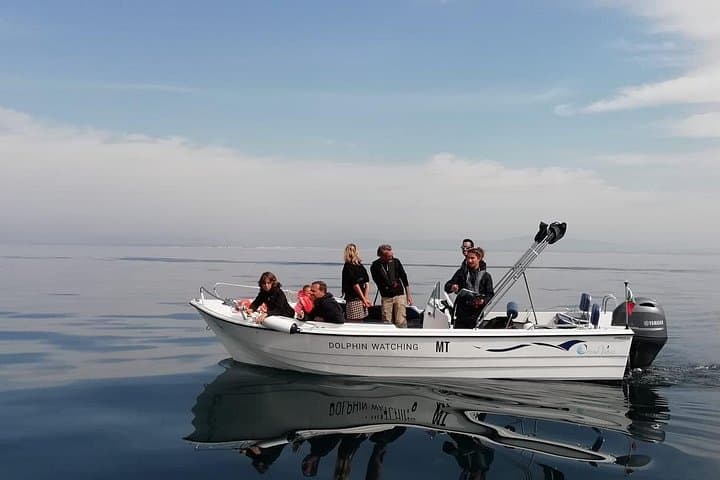
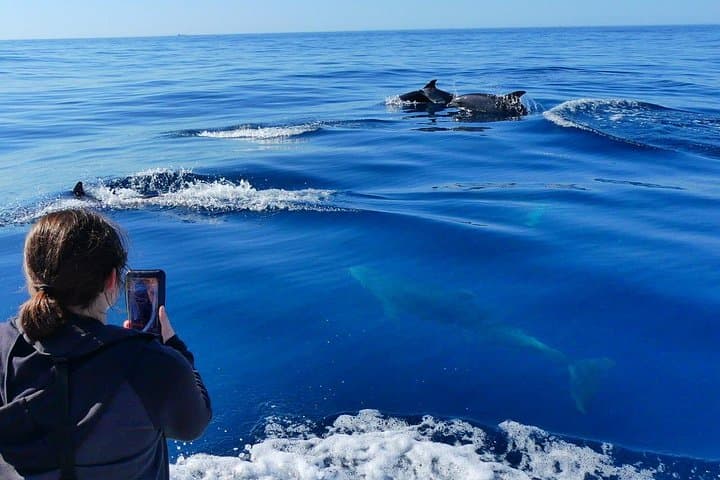
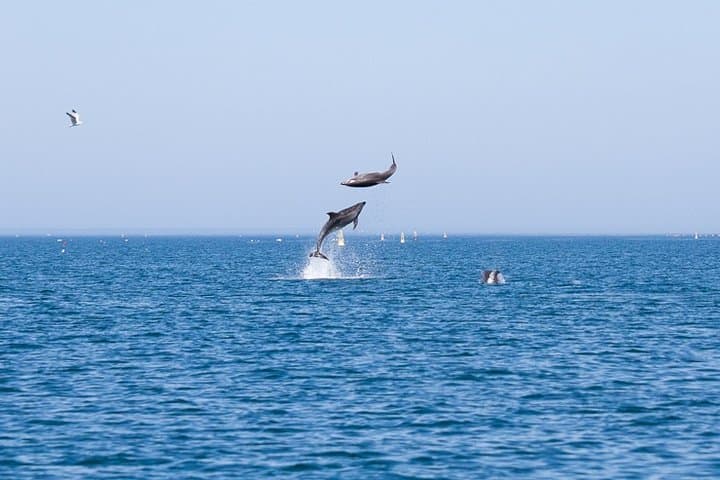
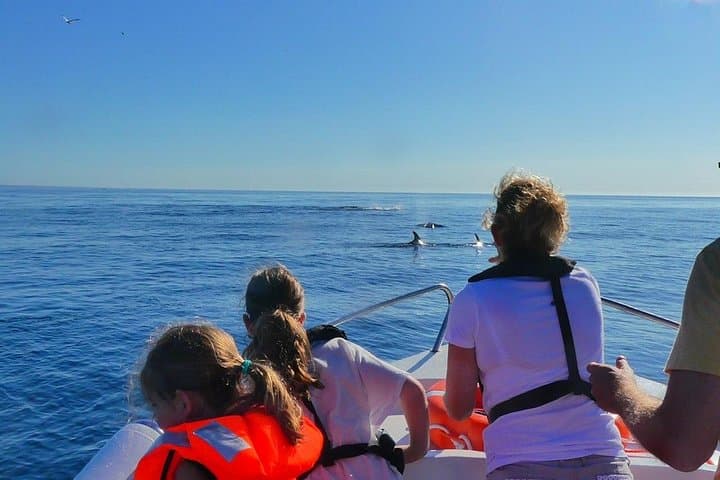
A low, briny wind pushes the boat out past Faro’s marina as guides scan the horizon; the estuary opens and the Ria Formosa’s sandbanks recede into a line of pale ridges. On clear days the sea flashes silver and the grey backs of bottlenose dolphins cut clean arcs through the swell. The ride feels purposeful — quiet enough for a call to point out a distant dorsal fin, loud enough for seabirds to wheel overhead.
A low, briny wind pushes the boat out past Faro’s marina as guides scan the horizon; the estuary opens and the Ria Formosa’s sandbanks recede into a line of pale ridges. On clear days the sea flashes silver and the grey backs of bottlenose dolphins cut clean arcs through the swell. The ride feels purposeful — quiet enough for a call to point out a distant dorsal fin, loud enough for seabirds to wheel overhead.
This stretch of the Algarve grew from shifting sands and tidal flows that formed one of Europe’s most important barrier-lagoon systems. Ria Formosa has fed local communities for centuries — salt pans, shellfish beds and small-scale fishing shaped Faro’s maritime culture. Today the same channels funnel migrating seabirds and pelagic visitors; marine biologists now pair tourism with coastal research to monitor cetacean populations.
Expect to encounter bottlenose and common dolphins most often; shearwaters, gannets and storm petrels are common seabird sightings. On lucky days you may see ocean sunfish, tuna, sea turtles or larger cetaceans. Guides will stop to record observations and explain behavior while minimizing disturbance.
Practical notes: tours are about 2.5 hours, small groups (under 9), and lifejackets are supplied. Seas can be calm or choppy — bring seasickness remedies if you’re prone, binoculars for distant IDs, sun protection, and a windproof layer. Aim for morning departures for steadier seas and clearer light. Listen to the guides on approach distances; respectful viewing keeps wildlife wild and supports ongoing research.