THE ADVENTURE COLLECTIVE® · Independent discovery and booking for outdoor travel

Head offshore from Negombo for a four‑hour window into Sri Lanka’s coastal marine life. Expect playful dolphin pods, occasional whale blows, and a mix of working coastline scenes and sensitive wildlife viewing guidelines.
Head offshore from Negombo for a four‑hour window into Sri Lanka’s coastal marine life. Expect playful dolphin pods, occasional whale blows, and a mix of working coastline scenes and sensitive wildlife viewing guidelines.
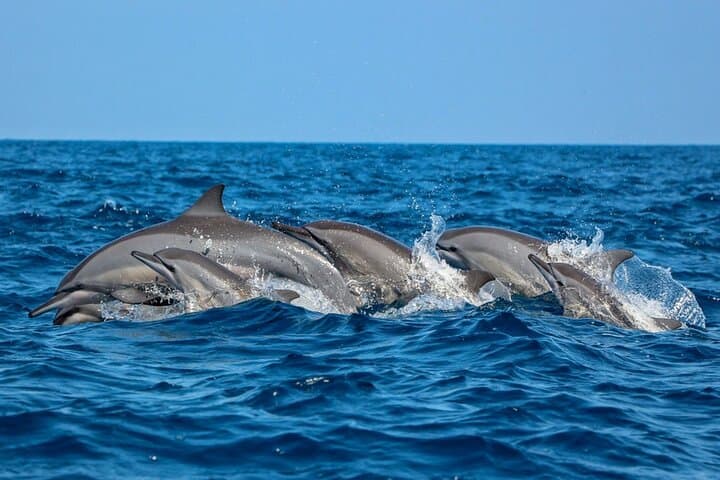
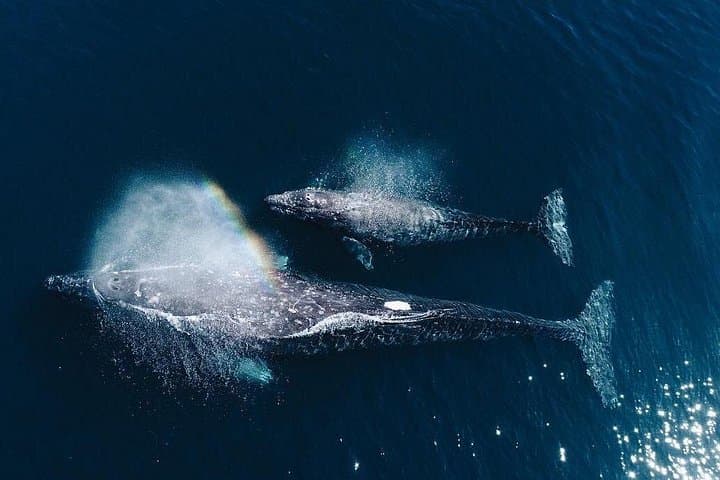
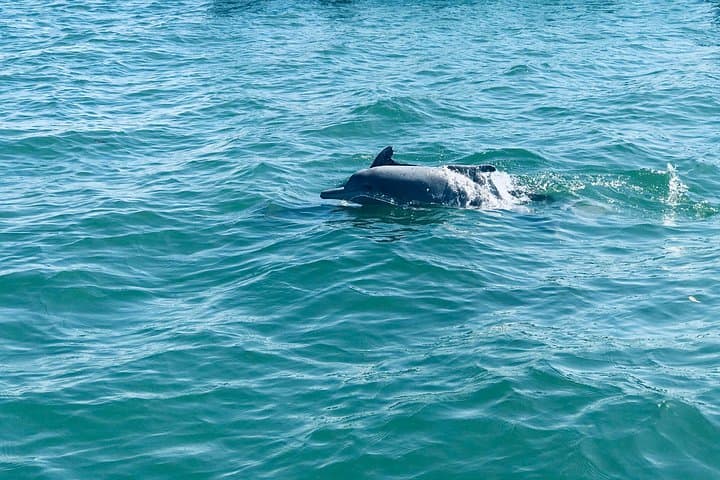
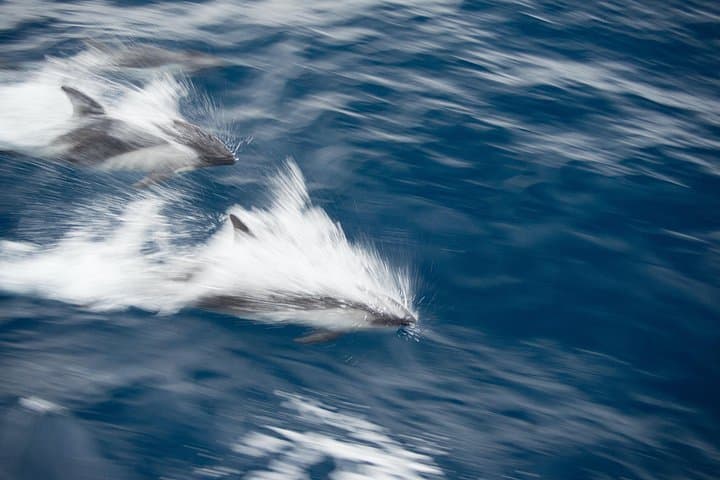
The boat eases out of Negombo Harbor before sunrise, salt and diesel mixing as the horizon brightens; the ocean in front of you begins to braid with light and motion. As the shoreline slides away, dolphins often arrive first—silver backs cutting the swell, spinning and arcing as if testing the morning air. Hours on the water here are a study in rhythm: rolling swells that rock the hull, shrimping boats that mark local livelihoods, and the occasional breath from something much larger below.
Verified experiences and guided adventures in the surrounding area.
Operated by ZRI Adventures · Negombo, Western Province
The boat eases out of Negombo Harbor before sunrise, salt and diesel mixing as the horizon brightens; the ocean in front of you begins to braid with light and motion. As the shoreline slides away, dolphins often arrive first—silver backs cutting the swell, spinning and arcing as if testing the morning air. Hours on the water here are a study in rhythm: rolling swells that rock the hull, shrimping boats that mark local livelihoods, and the occasional breath from something much larger below.
Negombo’s coastline has long been a working seafront—fishermen, Dutch-era canals, and mangrove fringes of the nearby Muthurajawela Wetland define the human geography. Geologically, the continental shelf off western Sri Lanka drops gradually, creating productive feeding grounds that draw small cetaceans and, intermittently, larger whales. Culturally, Negombo blends Catholic and Buddhist communities with a fishing tradition visible at dawn on the sand.
Practically, tours run about four hours and are suitable for most fitness levels; expect periods of sitting and short bursts of movement when wildlife appears. Wear sun protection, bring motion-sickness remedies if you’re sensitive, and choose operators that keep respectful distance from animals—boats here can make or break an encounter. Early-morning departures usually offer calmer seas and better light for spotting and photography. If pods appear, keep camera ready, listen to the skipper, and let the ocean set the pace—sometimes it’s the patient watch, not the chase, that yields the best sightings.
easy.
4 hours.
Suitable for most fitness levels; participants should be able to sit for extended periods and move safely on a rocking deck.
The standard trip lasts about four hours, typically leaving in the early morning when sightings and sea conditions are best.
Dolphins—spinner and Indo‑Pacific bottlenose—are common; whales such as Bryde’s or other small baleen species are spotted less frequently but are possible.
Yes; infants must sit on an adult’s lap and the activity is generally suitable for all fitness levels, though strollers and car seats aren’t usable on deck.
Operators will cancel in unsafe conditions and offer refunds or rescheduling—check the cancellation policy which typically requires 24+ hours for full refund.
Negombo’s fishing heritage dates back centuries and was shaped by Portuguese and Dutch colonial trade routes; the Dutch Canal remains a visible legacy along the lagoon.
Support operators who follow responsible viewing codes—no chasing, limited approach, and no feeding—and avoid single‑use plastics to protect the marine environment.
ZRI Adventures operates guided outdoor trips and adventures with an emphasis on safety, stewardship, and memorable experiences.
The boat eases out of Negombo Harbor before sunrise, salt and diesel mixing as the horizon brightens; the ocean in front of you begins to braid with light and motion. As the shoreline slides away, dolphins often arrive first—silver backs cutting the swell, spinning and arcing as if testing the morning air. Hours on the water here are a study in rhythm: rolling swells that rock the hull, shrimping boats that mark local livelihoods, and the occasional breath from something much larger below.
The boat eases out of Negombo Harbor before sunrise, salt and diesel mixing as the horizon brightens; the ocean in front of you begins to braid with light and motion. As the shoreline slides away, dolphins often arrive first—silver backs cutting the swell, spinning and arcing as if testing the morning air. Hours on the water here are a study in rhythm: rolling swells that rock the hull, shrimping boats that mark local livelihoods, and the occasional breath from something much larger below.
Negombo’s coastline has long been a working seafront—fishermen, Dutch-era canals, and mangrove fringes of the nearby Muthurajawela Wetland define the human geography. Geologically, the continental shelf off western Sri Lanka drops gradually, creating productive feeding grounds that draw small cetaceans and, intermittently, larger whales. Culturally, Negombo blends Catholic and Buddhist communities with a fishing tradition visible at dawn on the sand.
Practically, tours run about four hours and are suitable for most fitness levels; expect periods of sitting and short bursts of movement when wildlife appears. Wear sun protection, bring motion-sickness remedies if you’re sensitive, and choose operators that keep respectful distance from animals—boats here can make or break an encounter. Early-morning departures usually offer calmer seas and better light for spotting and photography. If pods appear, keep camera ready, listen to the skipper, and let the ocean set the pace—sometimes it’s the patient watch, not the chase, that yields the best sightings.