THE ADVENTURE COLLECTIVE® · Independent discovery and booking for outdoor travel

Set sail from Cowes along Phillip Island’s southern rim to search for migrating humpbacks, Southern Right Whales and playful dolphin pods. This 3-hour cruise mixes close-up marine encounters with clear, practical guidance on what to expect and how to prepare.
Set sail from Cowes along Phillip Island’s southern rim to search for migrating humpbacks, Southern Right Whales and playful dolphin pods. This 3-hour cruise mixes close-up marine encounters with clear, practical guidance on what to expect and how to prepare.
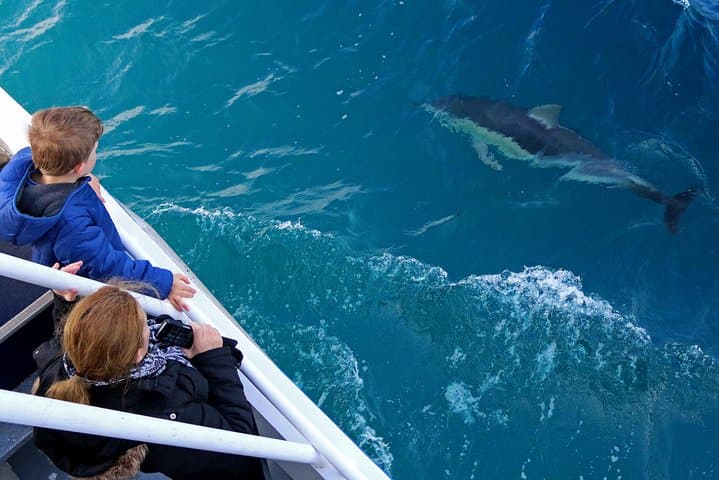
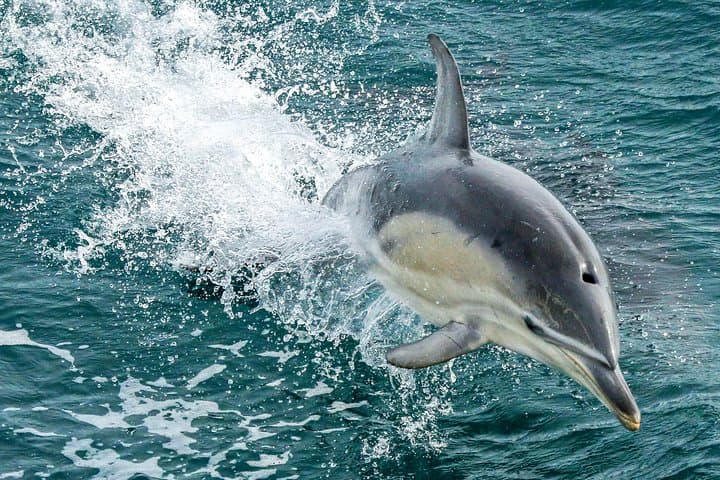
The boat eases past the sheer cliffs of Cape Woolamai and the southern coastline of Phillip Island, wind prying at collars and salt spray writing a bright film on glass. Seabirds wheel overhead; the ocean hums like a living road. On a clear afternoon the horizon reads flat, but the water is anything but—dolphins carve white paths and whales lift, slow and deliberate, through the migration corridor.
Verified experiences and guided adventures in the surrounding area.
Operated by Wildlife Coast Cruises · Cowes, Victoria
The boat eases past the sheer cliffs of Cape Woolamai and the southern coastline of Phillip Island, wind prying at collars and salt spray writing a bright film on glass. Seabirds wheel overhead; the ocean hums like a living road. On a clear afternoon the horizon reads flat, but the water is anything but—dolphins carve white paths and whales lift, slow and deliberate, through the migration corridor.
This stretch of Bass Strait has geological bones of sandstone and volcanic plugs carved by relentless seas; its cliffs were once quarried for local stone and now form dramatic coastal shelves. Indigenous Bunurong people have ancestral ties here, and more recent maritime history centers on fishing, sealing and coastal farming that shaped the island communities of Cowes and ventnor.
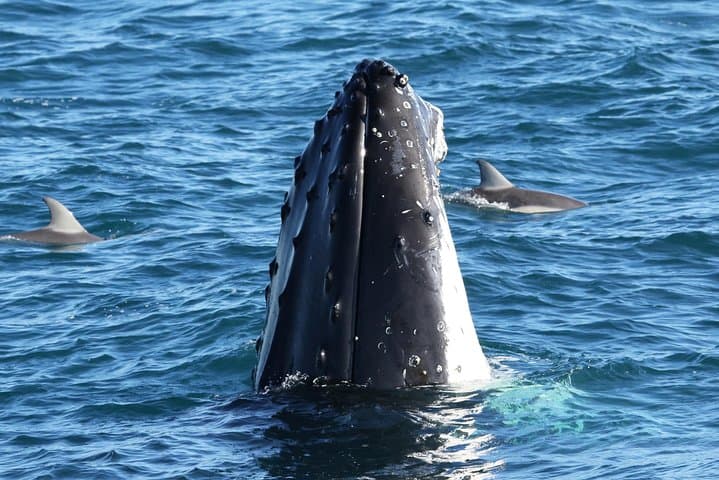
Expect a 3-hour cruise that balances open-water searching with educational commentary: crew point out feeding dolphins, surfacing Humpbacks and, in winter, the larger Southern Right Whale. Birdlife is constant—albatrosses and shearwaters test the wind as they follow the vessel’s bow.
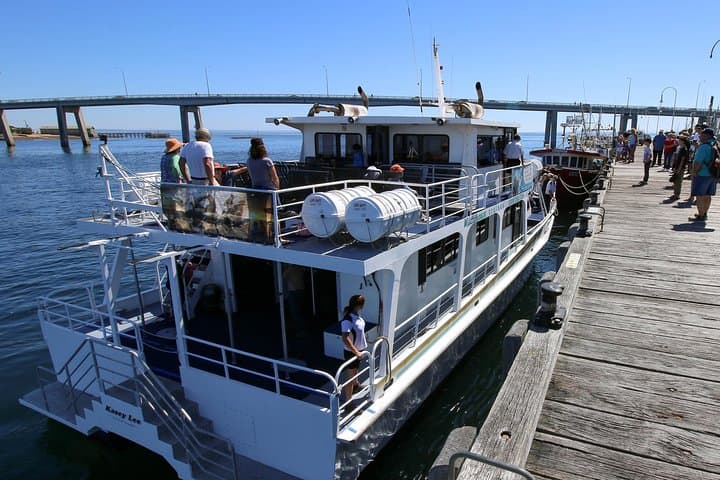
Practical notes: dress windproof and wear layered clothing—the deck is cold even on sunny days. Bring binoculars, a camera with steadying straps, and motion-sickness medicine if you’re sensitive; vessel motion can be pronounced in Bass Strait. Cruises are weather dependent and may cancel in rough conditions; operators typically offer a full refund for cancellations at least 24 hours prior. Boarding is usually in Cowes; arrive early to use nearby public transport and to secure a good viewing spot on deck.
easy.
3 hours.
Suitable for most fitness levels; requires basic mobility to board and move around the deck
During winter and spring you may see Humpback and Southern Right Whales on their migration; sightings depend on season and ocean conditions.
Yes—stroller access is typically available, but children should be supervised on deck and lifejackets follow operator regulations.
Cruises are weather dependent—operators may cancel for rough seas and usually offer a full refund if canceled at least 24 hours before departure.
Vessels vary; many can accommodate passengers with limited mobility but contact the operator ahead to confirm boarding assistance and accessibility arrangements.
Phillip Island’s coastline bears both Indigenous Bunurong cultural connections and a maritime history of sealing and coastal quarrying that shaped local settlements.
Operators often follow wildlife viewing guidelines—keep respectful distances, minimize noise and avoid disrupting feeding or breeding animals to reduce stress on marine life.
Wildlife Coast Cruises operates guided outdoor trips and adventures with an emphasis on safety, stewardship, and memorable experiences.
The boat eases past the sheer cliffs of Cape Woolamai and the southern coastline of Phillip Island, wind prying at collars and salt spray writing a bright film on glass. Seabirds wheel overhead; the ocean hums like a living road. On a clear afternoon the horizon reads flat, but the water is anything but—dolphins carve white paths and whales lift, slow and deliberate, through the migration corridor.
The boat eases past the sheer cliffs of Cape Woolamai and the southern coastline of Phillip Island, wind prying at collars and salt spray writing a bright film on glass. Seabirds wheel overhead; the ocean hums like a living road. On a clear afternoon the horizon reads flat, but the water is anything but—dolphins carve white paths and whales lift, slow and deliberate, through the migration corridor.
This stretch of Bass Strait has geological bones of sandstone and volcanic plugs carved by relentless seas; its cliffs were once quarried for local stone and now form dramatic coastal shelves. Indigenous Bunurong people have ancestral ties here, and more recent maritime history centers on fishing, sealing and coastal farming that shaped the island communities of Cowes and ventnor.
Expect a 3-hour cruise that balances open-water searching with educational commentary: crew point out feeding dolphins, surfacing Humpbacks and, in winter, the larger Southern Right Whale. Birdlife is constant—albatrosses and shearwaters test the wind as they follow the vessel’s bow.
Practical notes: dress windproof and wear layered clothing—the deck is cold even on sunny days. Bring binoculars, a camera with steadying straps, and motion-sickness medicine if you’re sensitive; vessel motion can be pronounced in Bass Strait. Cruises are weather dependent and may cancel in rough conditions; operators typically offer a full refund for cancellations at least 24 hours prior. Boarding is usually in Cowes; arrive early to use nearby public transport and to secure a good viewing spot on deck.