THE ADVENTURE COLLECTIVE® · Independent discovery and booking for outdoor travel

Spend three hours exploring St. Andrews Bay and the backside of Shell Island on a guided dolphin-watching and snorkeling trip. Swim around grass flats and a sunken boat while a USCG-certified captain leads the way.
Spend three hours exploring St. Andrews Bay and the backside of Shell Island on a guided dolphin-watching and snorkeling trip. Swim around grass flats and a sunken boat while a USCG-certified captain leads the way.
The boat slips free from St. Andrews Marina and the bay opens like a map you can read with your hands — broad, shallow, alive. Dolphins arc ahead of the bow, curious and quick, threading the wake as if showing the route. The captain eases toward Shell Island’s backside where grass flats spread like underwater meadows and a sunken boat frames a small reef.
Verified experiences and guided adventures in the surrounding area.
Operated by Panama City Beach Dolphin Tours More · Panama City, Florida
The boat slips free from St. Andrews Marina and the bay opens like a map you can read with your hands — broad, shallow, alive. Dolphins arc ahead of the bow, curious and quick, threading the wake as if showing the route. The captain eases toward Shell Island’s backside where grass flats spread like underwater meadows and a sunken boat frames a small reef.
This stretch of Panama City sits at the edge of the Apalachicola-Chattahoochee watershed and has long been a working maritime place: fishing piers and early 20th-century shipping shaped settlements around St. Andrews Bay. Geologically, the coast is defined by barrier islands and broad tidal flats that collect sand and seagrass; those flats shelter juvenile fish and invite rays to glide. Culturally the area blends coastal Florida life — fishing, boating, and seafood markets — with growing ecotourism focused on responsible wildlife viewing.
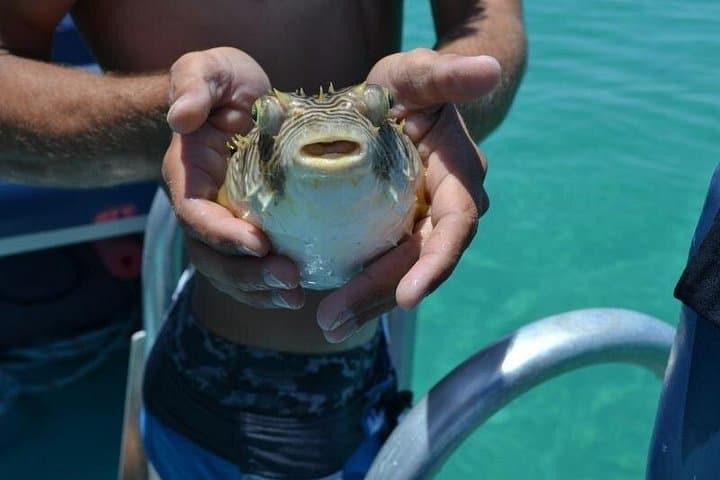
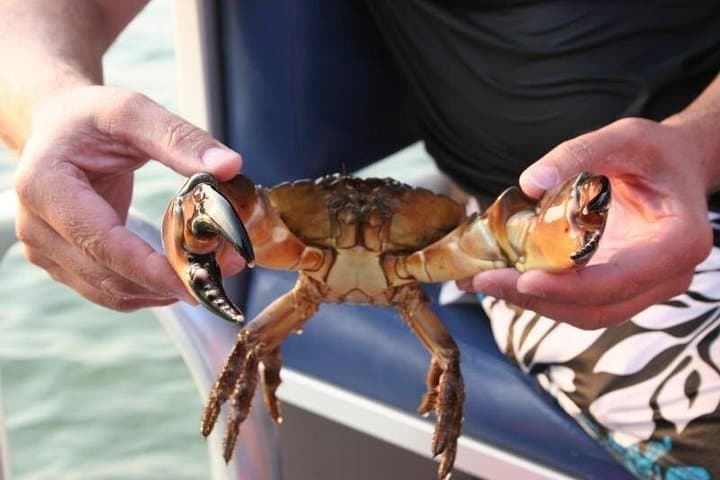
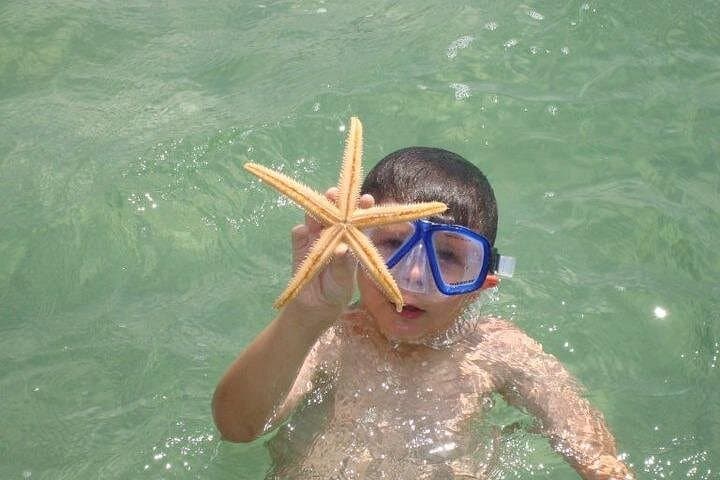
On a typical 3-hour run you’ll spend the first half scanning for pods, learning dolphin behavior from a US Coast Guard–certified captain, then anchoring over snorkeling sites: grass beds, a shallow wreck, and tidal channels where fish congregate. Expect calm, warm water, variable currents near channels, and abundant small marine life that rewards careful observation.
Practical guidance: bring reef‑safe sunscreen, wear water shoes, and be ready to follow crew instructions for safe entry. If you’re nervous in open water, request a life vest and join the shallows first; visibility can change with tide and wind. Morning departures often mean calmer seas and clearer snorkeling.
easy.
3 hours.
Light activity: comfortable standing and short swims; basic mobility to step on and off a low boat ladder.
Basic swimming ability is recommended for snorkeling, but life vests are provided and crew can accommodate non-swimmers for wildlife viewing only.
No—dolphins are wild animals and sightings are common but not guaranteed; captains seek favorable areas to maximize chances.
High-quality snorkel gear, life vests, iced water, and safety equipment are included; private trips are available on request.
Yes—children who can follow safety instructions and wear life vests can participate; check age restrictions when booking.
St. Andrews Bay has been a focal point for fishing and shipping since the 19th century; nearby communities grew around seafood, boatbuilding, and maritime trade.
Seagrass beds here are vital nurseries; use reef‑safe products, avoid stepping on plants, and follow crew guidance to minimize disturbance.
Panama City Beach Dolphin Tours More operates guided outdoor trips and adventures with an emphasis on safety, stewardship, and memorable experiences.
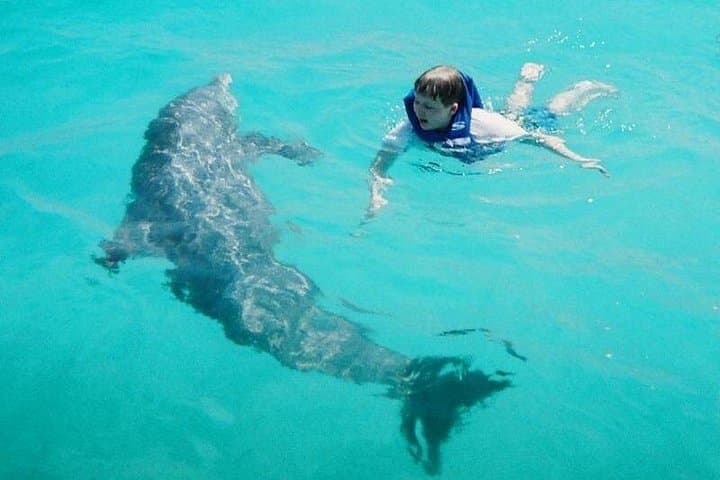
The boat slips free from St. Andrews Marina and the bay opens like a map you can read with your hands — broad, shallow, alive. Dolphins arc ahead of the bow, curious and quick, threading the wake as if showing the route. The captain eases toward Shell Island’s backside where grass flats spread like underwater meadows and a sunken boat frames a small reef.
The boat slips free from St. Andrews Marina and the bay opens like a map you can read with your hands — broad, shallow, alive. Dolphins arc ahead of the bow, curious and quick, threading the wake as if showing the route. The captain eases toward Shell Island’s backside where grass flats spread like underwater meadows and a sunken boat frames a small reef.
This stretch of Panama City sits at the edge of the Apalachicola-Chattahoochee watershed and has long been a working maritime place: fishing piers and early 20th-century shipping shaped settlements around St. Andrews Bay. Geologically, the coast is defined by barrier islands and broad tidal flats that collect sand and seagrass; those flats shelter juvenile fish and invite rays to glide. Culturally the area blends coastal Florida life — fishing, boating, and seafood markets — with growing ecotourism focused on responsible wildlife viewing.
On a typical 3-hour run you’ll spend the first half scanning for pods, learning dolphin behavior from a US Coast Guard–certified captain, then anchoring over snorkeling sites: grass beds, a shallow wreck, and tidal channels where fish congregate. Expect calm, warm water, variable currents near channels, and abundant small marine life that rewards careful observation.
Practical guidance: bring reef‑safe sunscreen, wear water shoes, and be ready to follow crew instructions for safe entry. If you’re nervous in open water, request a life vest and join the shallows first; visibility can change with tide and wind. Morning departures often mean calmer seas and clearer snorkeling.