THE ADVENTURE COLLECTIVE® · Independent discovery and booking for outdoor travel

Spend a guided half-day on a Dolomites via ferrata from Cortina d'Ampezzo, traversing iron-fixed routes that follow wartime paths and dramatic limestone walls. Expect exposed ledges, WWI relics, and panoramic rifugio stops.
Spend a guided half-day on a Dolomites via ferrata from Cortina d'Ampezzo, traversing iron-fixed routes that follow wartime paths and dramatic limestone walls. Expect exposed ledges, WWI relics, and panoramic rifugio stops.
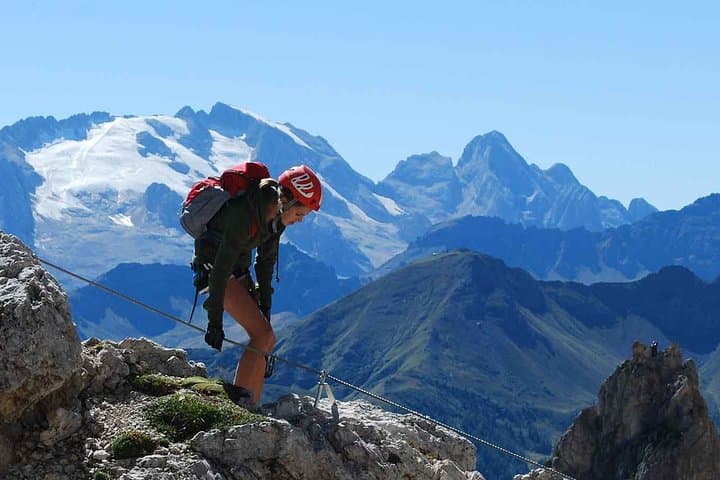
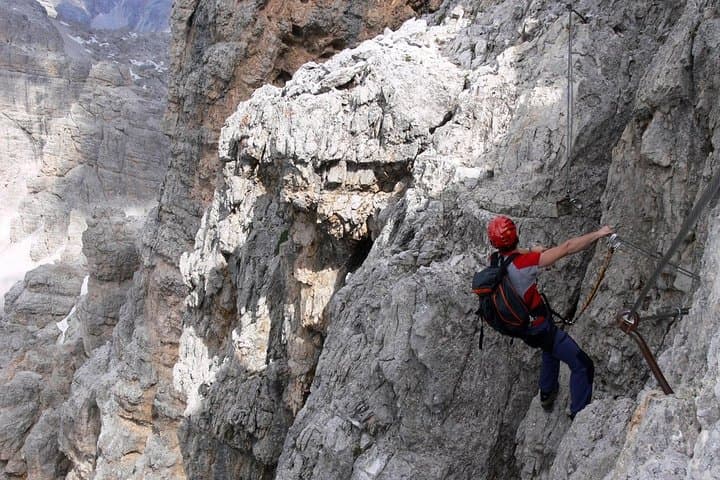
You step from the pines onto sun-warmed limestone, the valley sighing below and sheer rock assuming a new purpose: a ladder, a path, an invitation. In the Dolomites the via ferrata routes move like metal veins across ancient walls, guiding hands and boots along exposed traverses and short vertical pitches.
Verified experiences and guided adventures in the surrounding area.
Operated by Snowdreamers Experiences · Cortina d'Ampezzo, Veneto
You step from the pines onto sun-warmed limestone, the valley sighing below and sheer rock assuming a new purpose: a ladder, a path, an invitation. In the Dolomites the via ferrata routes move like metal veins across ancient walls, guiding hands and boots along exposed traverses and short vertical pitches.
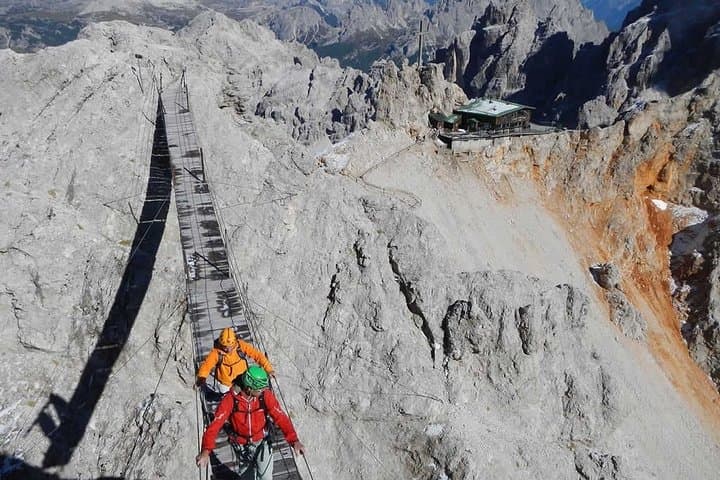
The routes here grew out of First World War military tracks; remnants of trenches and dugouts remain along some sectors, a raw historical layer beneath the rock. Geologically the Dolomites are pale dolomite and limestone, eroded into towers and ridges that produce sudden shadow and wide, wind-swept views. The local culture centers on mountain huts called rifugi, where simple regional fare—polenta, smoked meats, cheeses—rewards effort and slows the pace.
Practically, expect a private, guided half-day of roughly four hours. Guides match route difficulty to your ability, from protected ferrata paths that skirt exposed ledges to steeper ferratas where clipping a lanyard is constant. Terrain is rocky with fixed cables, iron steps, and occasional ladders; sections can be exposed but are secured by seasonal inspections. Weather changes fast: fog and storms can make rock slippery and reduce visibility.
Plan for sturdy boots, a harness and via ferrata lanyard (often provided by guides), layered clothing, and water. Basic head for heights and moderate fitness are required. The payoff is immediate: high ridgelines, wartime history in stone, and the rhythm of movement across a mountain that demands focus and returns unforgettable panoramas.
moderate.
3–5 hours.
Moderately fit: regular walkers comfortable on uneven ground and short steep sections; ability to manage exposure for several hours.
A certified alpine guide and transportation from the meeting point to the route start are included; gear may be offered but confirm in advance.
Routes vary from easy protected Sentiero Ferrato to steeper via ferrata walls; the guide will select an option matching your experience and fitness.
Not strictly; basic comfort on exposed ledges and a moderate fitness level are required; guides provide instruction on technique and safety.
Operations typically continue only if conditions are safe; heavy rain, lightning, or poor visibility may require rescheduling or choosing a lower-altitude alternative.
Many Dolomite ferrata routes follow First World War military trails and supply lines; iron fixtures later formalized these paths for recreational use.
Stick to fixed cables and marked approaches to limit erosion; use rifugi waste facilities and avoid leaving food scraps that attract wildlife.
Snowdreamers Experiences operates guided outdoor trips and adventures with an emphasis on safety, stewardship, and memorable experiences.
You step from the pines onto sun-warmed limestone, the valley sighing below and sheer rock assuming a new purpose: a ladder, a path, an invitation. In the Dolomites the via ferrata routes move like metal veins across ancient walls, guiding hands and boots along exposed traverses and short vertical pitches.
You step from the pines onto sun-warmed limestone, the valley sighing below and sheer rock assuming a new purpose: a ladder, a path, an invitation. In the Dolomites the via ferrata routes move like metal veins across ancient walls, guiding hands and boots along exposed traverses and short vertical pitches.
The routes here grew out of First World War military tracks; remnants of trenches and dugouts remain along some sectors, a raw historical layer beneath the rock. Geologically the Dolomites are pale dolomite and limestone, eroded into towers and ridges that produce sudden shadow and wide, wind-swept views. The local culture centers on mountain huts called rifugi, where simple regional fare—polenta, smoked meats, cheeses—rewards effort and slows the pace.
Practically, expect a private, guided half-day of roughly four hours. Guides match route difficulty to your ability, from protected ferrata paths that skirt exposed ledges to steeper ferratas where clipping a lanyard is constant. Terrain is rocky with fixed cables, iron steps, and occasional ladders; sections can be exposed but are secured by seasonal inspections. Weather changes fast: fog and storms can make rock slippery and reduce visibility.
Plan for sturdy boots, a harness and via ferrata lanyard (often provided by guides), layered clothing, and water. Basic head for heights and moderate fitness are required. The payoff is immediate: high ridgelines, wartime history in stone, and the rhythm of movement across a mountain that demands focus and returns unforgettable panoramas.