THE ADVENTURE COLLECTIVE® · Independent discovery and booking for outdoor travel

A full-day guided hike through the Dolomites combines dramatic limestone ridges, alpine meadows, and optional rifugio lunches. Expect 10–14 km and 600–900 m elevation gain on well-marked mountain trails led by an environmental hiking guide.
A full-day guided hike through the Dolomites combines dramatic limestone ridges, alpine meadows, and optional rifugio lunches. Expect 10–14 km and 600–900 m elevation gain on well-marked mountain trails led by an environmental hiking guide.
You step off the early shuttle at a compact trailhead, the town noise left behind and a pale wall of dolomite rock rising ahead like a page of earth's history. The path begins with cool spruce shade, then opens onto ledges where spires and broad ridgelines push wind across your face—mountain air that seems intent on keeping you moving.
Verified experiences and guided adventures in the surrounding area.
Operated by Alessandro Biasin · Cortina d'Ampezzo, Veneto
You step off the early shuttle at a compact trailhead, the town noise left behind and a pale wall of dolomite rock rising ahead like a page of earth's history. The path begins with cool spruce shade, then opens onto ledges where spires and broad ridgelines push wind across your face—mountain air that seems intent on keeping you moving.
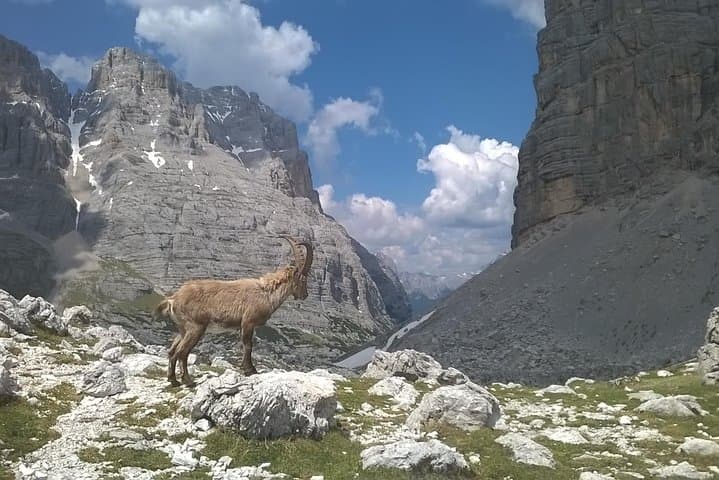
Geology here is readable: the pale, craggy Dolomites are ancient reef carbonates uplifted and sculpted by glaciers, their steep faces scarred by ice and war-time trenches. Culturally the high meadows still bear Ladin place names; rifugi (mountain huts) stand as local hubs serving mountain cheese and polenta, a practical pause after steep switchbacks. Wildlife—chamois or marmots—may watch from a ledge as you pass.
Expect a full-day outing: most guided walks cover roughly 10–14 km with 600–900 m of cumulative elevation gain over varied terrain—well-marked singletrack, short rocky segments, occasional scree and meadows. The guide handles navigation and local stories; you handle steady pacing, photo stops, and a possible rifugio lunch.
Practical edge: start early for stable weather, carry 1.5–2 L water, breathable layers and a rain shell, and use sturdy boots with good grip. Poles help on descents. Weather can flip quickly at altitude; check forecasts and be prepared for cool winds even in summer. With a moderate fitness level and proper gear, this guided day hike delivers dramatic views and a close read of the Dolomites' landscape and culture without technical climbing.
moderate.
8–9 hours.
Suitable for hikers with regular aerobic activity and experience on uneven mountain trails; comfortable with multi-hour ascents and descents.
Guided day hikes cover roughly 10–14 km with 600–900 m of cumulative elevation gain; difficulty is moderate and suited to hikers used to several hours of steady uphill and downhill walking.
Meeting is typically at a central bus stop or 'bus bar' arranged by the operator; many travelers transfer by coach or car from Venice to mountain towns like Cortina d'Ampezzo before the hike.
Lunch at a rifugio is possible by prior agreement—operators often accommodate common dietary needs but confirm when booking to ensure availability.
The operator may cancel for bad weather (the tour's policy notes cancellations for poor conditions); guides will prioritize safety and may alter the route or end the hike early if needed.
The Dolomites carry World War I relics—trenches and cableways—left from high-altitude combat, and local Ladin culture remains visible in place names and mountain cuisine.
Trails are managed to limit erosion and rifugi encourage low-impact practices; stick to marked paths and pack out waste to protect fragile alpine plants.
Alessandro Biasin operates guided outdoor trips and adventures with an emphasis on safety, stewardship, and memorable experiences.
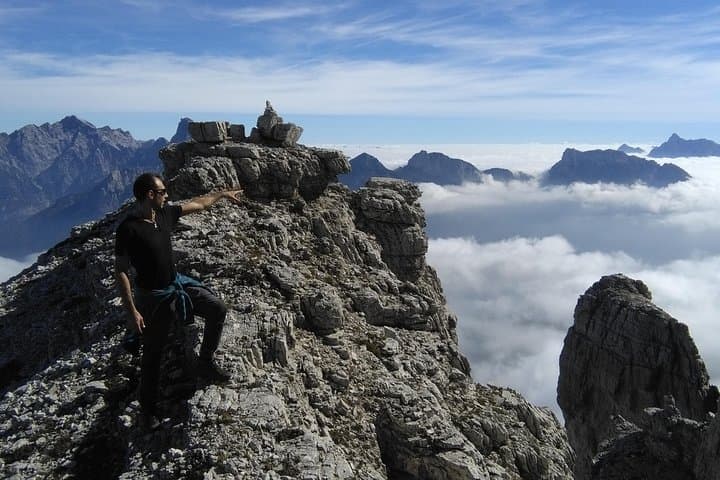
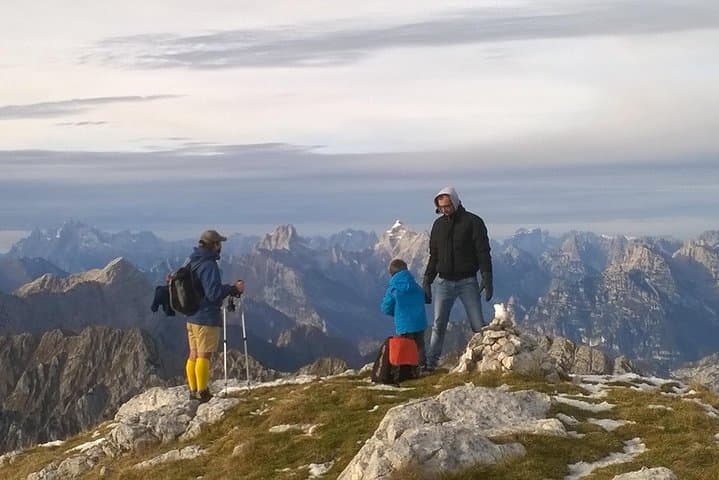
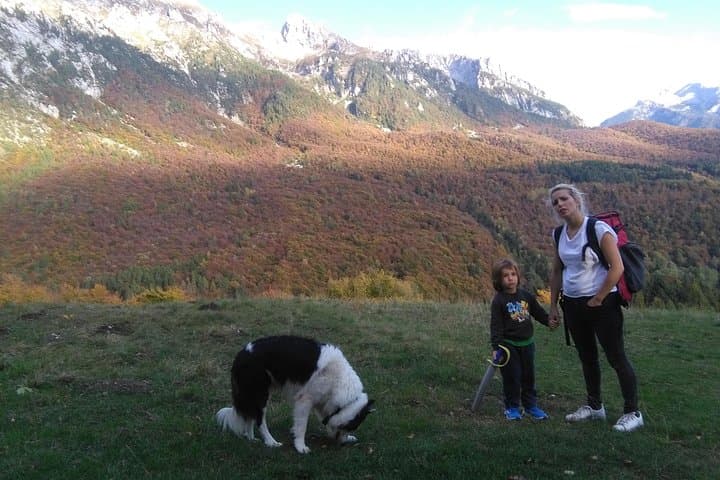
You step off the early shuttle at a compact trailhead, the town noise left behind and a pale wall of dolomite rock rising ahead like a page of earth's history. The path begins with cool spruce shade, then opens onto ledges where spires and broad ridgelines push wind across your face—mountain air that seems intent on keeping you moving.
You step off the early shuttle at a compact trailhead, the town noise left behind and a pale wall of dolomite rock rising ahead like a page of earth's history. The path begins with cool spruce shade, then opens onto ledges where spires and broad ridgelines push wind across your face—mountain air that seems intent on keeping you moving.
Geology here is readable: the pale, craggy Dolomites are ancient reef carbonates uplifted and sculpted by glaciers, their steep faces scarred by ice and war-time trenches. Culturally the high meadows still bear Ladin place names; rifugi (mountain huts) stand as local hubs serving mountain cheese and polenta, a practical pause after steep switchbacks. Wildlife—chamois or marmots—may watch from a ledge as you pass.
Expect a full-day outing: most guided walks cover roughly 10–14 km with 600–900 m of cumulative elevation gain over varied terrain—well-marked singletrack, short rocky segments, occasional scree and meadows. The guide handles navigation and local stories; you handle steady pacing, photo stops, and a possible rifugio lunch.
Practical edge: start early for stable weather, carry 1.5–2 L water, breathable layers and a rain shell, and use sturdy boots with good grip. Poles help on descents. Weather can flip quickly at altitude; check forecasts and be prepared for cool winds even in summer. With a moderate fitness level and proper gear, this guided day hike delivers dramatic views and a close read of the Dolomites' landscape and culture without technical climbing.