THE ADVENTURE COLLECTIVE® · Independent discovery and booking for outdoor travel

Walk the Alta Via through the Dolomites on a private 2–4 day rifugio-to-rifugio hiking tour. Expect exposed limestone ridges, hearty mountain meals, and expert local guides who tailor pace and route for quieter high-line experiences.
Walk the Alta Via through the Dolomites on a private 2–4 day rifugio-to-rifugio hiking tour. Expect exposed limestone ridges, hearty mountain meals, and expert local guides who tailor pace and route for quieter high-line experiences.
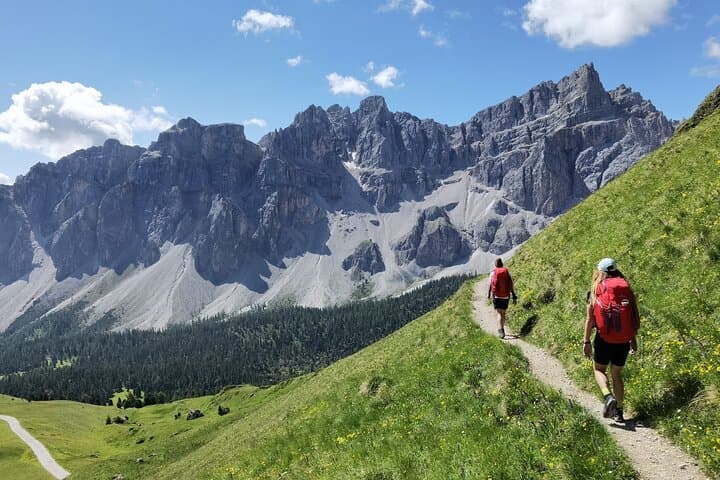
Morning light slices the limestone towers as a party of hikers steps onto a high-path that threads the Dolomites’ jagged skyline. The air tastes of cool stone and hay; each switchback lifts walkers into different moods of the mountain—open ridgelines, larch-clad cols, and narrow ledges where the rock leans in like an old companion.
Verified experiences and guided adventures in the surrounding area.
Operated by Freemotion Italia · Bolzano, Trentino-Alto Adige/South Tyrol
Morning light slices the limestone towers as a party of hikers steps onto a high-path that threads the Dolomites’ jagged skyline. The air tastes of cool stone and hay; each switchback lifts walkers into different moods of the mountain—open ridgelines, larch-clad cols, and narrow ledges where the rock leans in like an old companion.
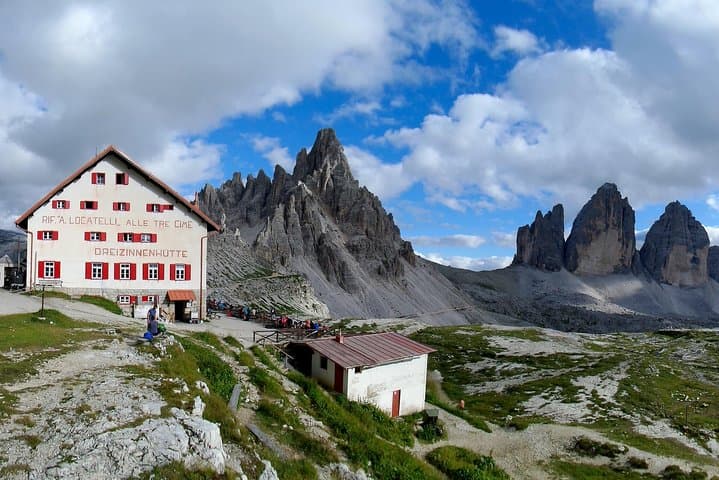
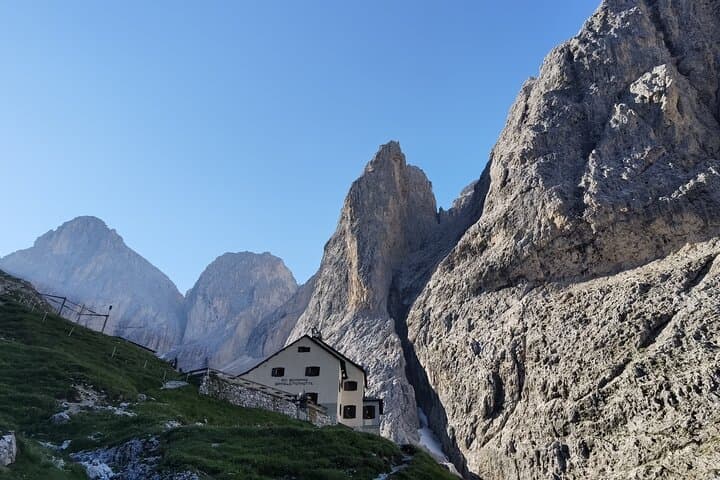
These mountains are young by geologic standards: reef-derived dolomite rock uplifted and shaped by glaciers and time. The Alta Via routes trace ancient scree slopes and World War I routes, passing small rifugi where alpine culture is still measured by simple hospitality, polenta and a hot stew after a long day.
Hikers will encounter varied terrain: well-marked alpine trails, occasional via ferrata ladders (optional), exposed ridgelines, and forested approaches. Each day finishes in a rifugio—basic bunks, hearty Tyrolean cuisine and the quiet of high valleys—so overnight gear is minimal compared with backcountry camping.
Practical guidance: expect 6–8 hours of walking on active days with 600–1,200 m (2,000–4,000 ft) of cumulative ascent or descent depending on itinerary. Weather turns quickly; layers, a waterproof shell and steady footwear make the difference. Guides tailor pace and route, avoiding tourist crowds and selecting quieter high-lines. Reserve rifugio beds in advance for summer months, carry personal snacks and water purification tablets, and allow a day for gentle acclimatization if coming from low elevations.
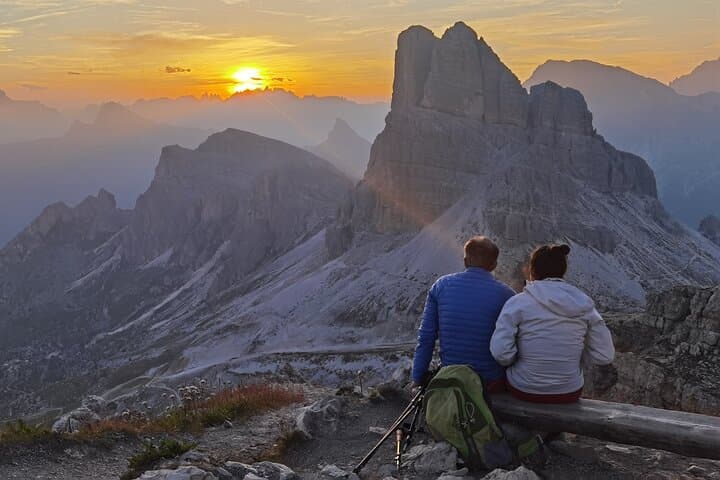
The Alta Via is equal parts physical challenge and cultural immersion—mountain routes that invite steady steps, curious eyes and respect for fragile alpine terrain.
moderate.
2–4 days.
Suitable for hikers with a steady cardio base who can handle consecutive days of 6–8 hours walking and 600–1,200 m elevation changes.
Routes vary; this private 2–4 day rifugio tour is rated moderate—daily hikes of 6–8 hours with sustained climbs but no advanced technical climbing required.
This tour is itinerant rifugio-to-rifugio and typically requires you to carry a daypack; some operators can arrange transfers for larger luggage on request—confirm when booking.
Rifugi offer communal dorm-style bunks or small private rooms, simple hot meals and limited showers—comfort is basic but the hospitality is warm.
Mid-June through September offers the most stable conditions and open trails; snow can persist on high passes into June and weather is more unpredictable outside summer.
Many Alta Via trails follow ancient shepherd paths and WWI mule tracks; the stone scars and memorials recall a turbulent 20th-century mountain history.
The Dolomites are a UNESCO World Heritage site; stick to marked trails, pack out waste and respect seasonal grazing to protect fragile alpine flora.
Freemotion Italia operates guided outdoor trips and adventures with an emphasis on safety, stewardship, and memorable experiences.
Morning light slices the limestone towers as a party of hikers steps onto a high-path that threads the Dolomites’ jagged skyline. The air tastes of cool stone and hay; each switchback lifts walkers into different moods of the mountain—open ridgelines, larch-clad cols, and narrow ledges where the rock leans in like an old companion.
Morning light slices the limestone towers as a party of hikers steps onto a high-path that threads the Dolomites’ jagged skyline. The air tastes of cool stone and hay; each switchback lifts walkers into different moods of the mountain—open ridgelines, larch-clad cols, and narrow ledges where the rock leans in like an old companion.
These mountains are young by geologic standards: reef-derived dolomite rock uplifted and shaped by glaciers and time. The Alta Via routes trace ancient scree slopes and World War I routes, passing small rifugi where alpine culture is still measured by simple hospitality, polenta and a hot stew after a long day.
Hikers will encounter varied terrain: well-marked alpine trails, occasional via ferrata ladders (optional), exposed ridgelines, and forested approaches. Each day finishes in a rifugio—basic bunks, hearty Tyrolean cuisine and the quiet of high valleys—so overnight gear is minimal compared with backcountry camping.
Practical guidance: expect 6–8 hours of walking on active days with 600–1,200 m (2,000–4,000 ft) of cumulative ascent or descent depending on itinerary. Weather turns quickly; layers, a waterproof shell and steady footwear make the difference. Guides tailor pace and route, avoiding tourist crowds and selecting quieter high-lines. Reserve rifugio beds in advance for summer months, carry personal snacks and water purification tablets, and allow a day for gentle acclimatization if coming from low elevations.
The Alta Via is equal parts physical challenge and cultural immersion—mountain routes that invite steady steps, curious eyes and respect for fragile alpine terrain.