THE ADVENTURE COLLECTIVE® · Independent discovery and booking for outdoor travel

Walk the coffee trail from seedbed to roast at Doka Estate, then explore Grecia’s metal church and Sarchí’s famous oxcart workshops. This private day trip blends agricultural insight, local craft, and easy walking through volcanic foothills.
Walk the coffee trail from seedbed to roast at Doka Estate, then explore Grecia’s metal church and Sarchí’s famous oxcart workshops. This private day trip blends agricultural insight, local craft, and easy walking through volcanic foothills.
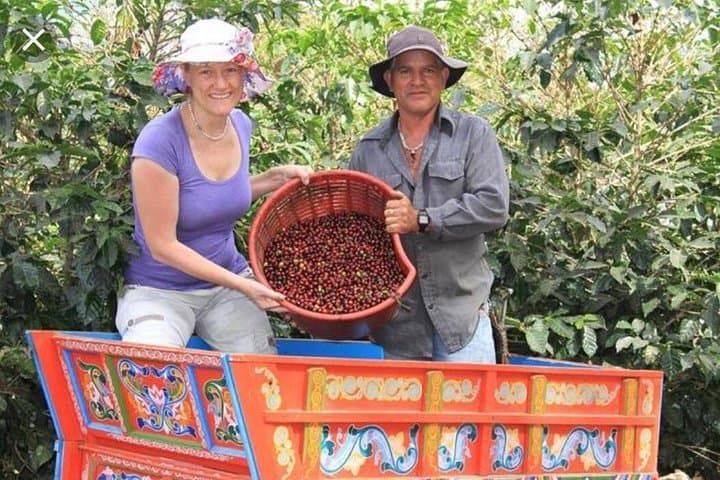
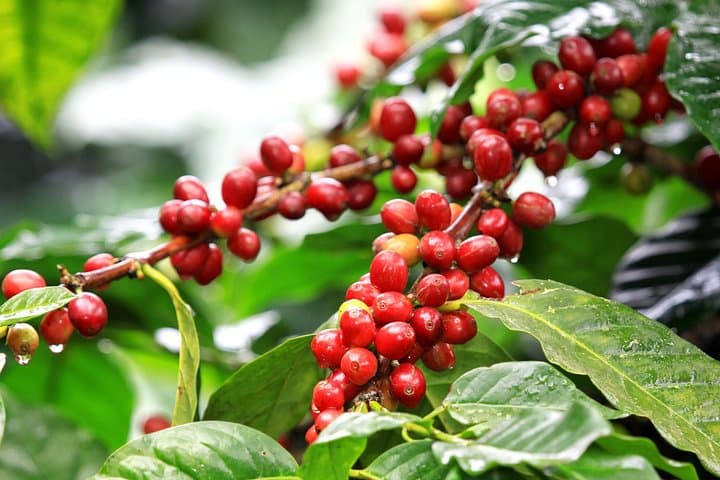
Mornings at Doka Estate begin with the clean, green hiss of coffee leaves and the scent of damp earth. You stand on a dirt lane while rows of coffee trees slope toward a distant ridge; workers move like parts of a well-tuned machine, and the processing mill hums in the valley below. That first sip of freshly roasted Costa Rican coffee tastes like the place—bright, balanced, and shaped by volcanic soils.
Verified experiences and guided adventures in the surrounding area.
Operated by Greenway Nature Day Tours · Grecia, Alajuela
Mornings at Doka Estate begin with the clean, green hiss of coffee leaves and the scent of damp earth. You stand on a dirt lane while rows of coffee trees slope toward a distant ridge; workers move like parts of a well-tuned machine, and the processing mill hums in the valley below. That first sip of freshly roasted Costa Rican coffee tastes like the place—bright, balanced, and shaped by volcanic soils.
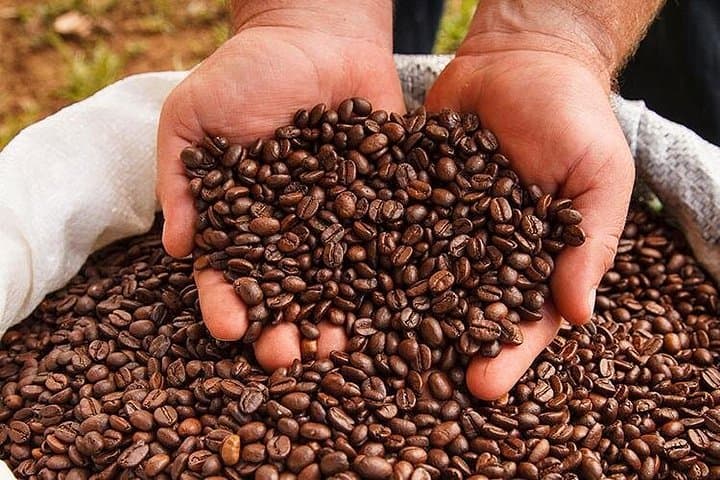
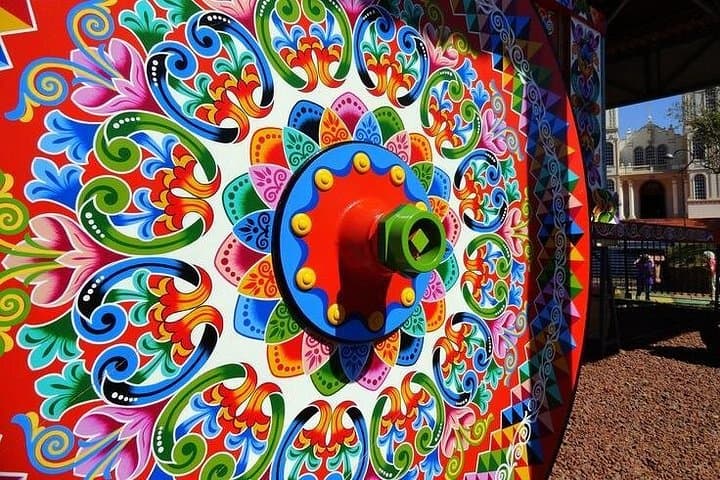
The tour traces the coffee bean’s life from seedbed to bag, set on land that helped Costa Rica build its export economy in the 19th and 20th centuries. Geologically, the region sits on slopes formed by volcanic activity that creates the rich, well-draining soils ideal for Arabica. Culturally the day shifts after lunch to Grecia’s striking painted-metal church and Sarchí’s handicraft workshops—where the traditional oxcart, once a vital tool for coffee transport, is lovingly hand-painted and sold as a living art form.
Practical guidance: the full private itinerary runs about seven hours with short, paved and dirt walks; comfortable walking shoes and sun protection are essential. Expect language-friendly explanations at the estate, bottled water and a traditional lunch included. Photographers should bring a mid-zoom lens for both close-up plant details and sweeping ridgeline views. Allow time to browse Sarchí’s workshops—artisans often demonstrate carving and painting on site.
This is a low-impact, accessible experience that combines working agriculture, local craftsmanship, and a clear sense of place—ideal for travelers who want a cultural day trip with a strong outdoors element.
easy.
7 hours.
Suitable for travelers of average mobility; involves short, gentle walks and standing during demonstrations.
The private tour runs about seven hours, including visits to Doka Estate, lunch, and stops in Grecia and Sarchí.
Yes—private transportation is included from the pickup point specified at booking.
Yes; the tour is described as physically easy. Infants must sit on an adult’s lap during transport.
Yes—Doka sells roasted beans and the Sarchí workshops offer oxcart art and other crafts; bring cash for smaller vendors.
Coffee cultivation drove Costa Rica’s 19th-century economy and shaped towns like Grecia; Sarchí became a center for oxcart artisans who decorated carts used historically to move coffee.
Many estates like Doka practice soil and water management to preserve coffee quality; buying local crafts supports small artisans and keeps traditional techniques alive.
Greenway Nature Day Tours operates guided outdoor trips and adventures with an emphasis on safety, stewardship, and memorable experiences.
Mornings at Doka Estate begin with the clean, green hiss of coffee leaves and the scent of damp earth. You stand on a dirt lane while rows of coffee trees slope toward a distant ridge; workers move like parts of a well-tuned machine, and the processing mill hums in the valley below. That first sip of freshly roasted Costa Rican coffee tastes like the place—bright, balanced, and shaped by volcanic soils.
Mornings at Doka Estate begin with the clean, green hiss of coffee leaves and the scent of damp earth. You stand on a dirt lane while rows of coffee trees slope toward a distant ridge; workers move like parts of a well-tuned machine, and the processing mill hums in the valley below. That first sip of freshly roasted Costa Rican coffee tastes like the place—bright, balanced, and shaped by volcanic soils.
The tour traces the coffee bean’s life from seedbed to bag, set on land that helped Costa Rica build its export economy in the 19th and 20th centuries. Geologically, the region sits on slopes formed by volcanic activity that creates the rich, well-draining soils ideal for Arabica. Culturally the day shifts after lunch to Grecia’s striking painted-metal church and Sarchí’s handicraft workshops—where the traditional oxcart, once a vital tool for coffee transport, is lovingly hand-painted and sold as a living art form.
Practical guidance: the full private itinerary runs about seven hours with short, paved and dirt walks; comfortable walking shoes and sun protection are essential. Expect language-friendly explanations at the estate, bottled water and a traditional lunch included. Photographers should bring a mid-zoom lens for both close-up plant details and sweeping ridgeline views. Allow time to browse Sarchí’s workshops—artisans often demonstrate carving and painting on site.
This is a low-impact, accessible experience that combines working agriculture, local craftsmanship, and a clear sense of place—ideal for travelers who want a cultural day trip with a strong outdoors element.