THE ADVENTURE COLLECTIVE® · Independent discovery and booking for outdoor travel

Leave Doha for a four-hour private tour that pairs mangrove waterways and coastal life with the fortified ruins of Zubarah. Expect short walks, birdlife, and a compact history lesson on Qatar’s northern coastline.
Leave Doha for a four-hour private tour that pairs mangrove waterways and coastal life with the fortified ruins of Zubarah. Expect short walks, birdlife, and a compact history lesson on Qatar’s northern coastline.
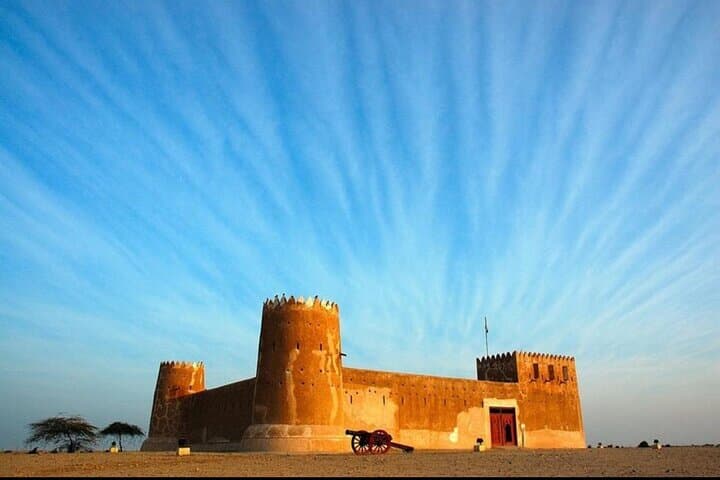
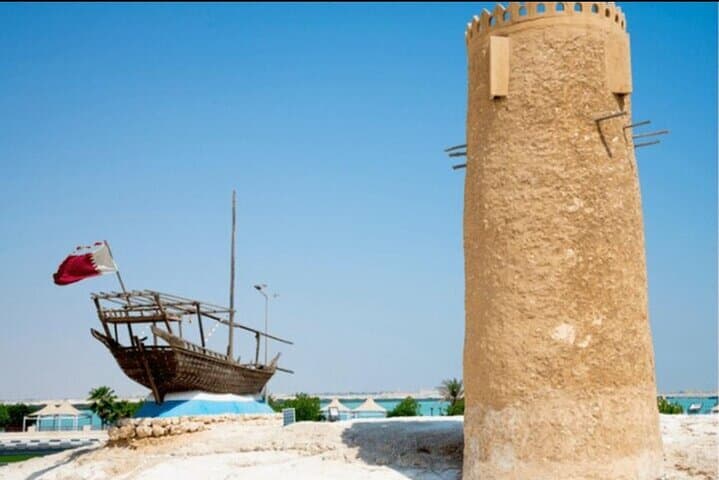
You pull away from Doha’s glass-and-concrete horizon and the air changes — salt and earth moving together as the road threads north toward Al Khor. Palm palms thin, then scrub and flats open to a ribbon of mangrove where water dares to reach inland. The tour moves at a steady, private pace: a coastal harbor still shaped by fishing, a narrow causeway to Purple Island, salt-slick flats, and the low stone profile of Zubarah Fort.
Verified experiences and guided adventures in the surrounding area.
Operated by Wanderlust Tourism · Doha, Doha
You pull away from Doha’s glass-and-concrete horizon and the air changes — salt and earth moving together as the road threads north toward Al Khor. Palm palms thin, then scrub and flats open to a ribbon of mangrove where water dares to reach inland. The tour moves at a steady, private pace: a coastal harbor still shaped by fishing, a narrow causeway to Purple Island, salt-slick flats, and the low stone profile of Zubarah Fort.
The route stitches modern Qatar to older economies: Al Khor’s fishing and pearl history, the mangrove channels that have long supported shorebirds, and Zubarah’s fortified compound, associated with the Al Thani era and the region’s pearling past. Geologically, the northern coast is flat limestone and sabkha — hard ground that sometimes gives way to tidal channels — and the mangroves thrive where tidal flow lets seawater and sediment mix.
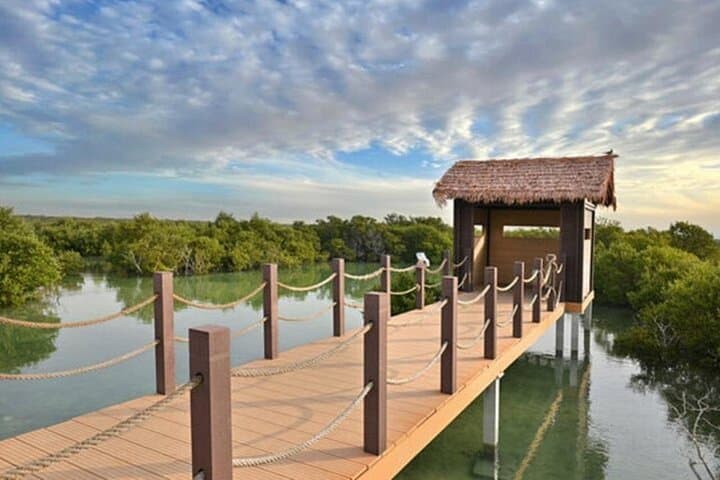
Culturally, this is a working coastline; you’ll see fishermen, small ports, and abandoned pearling settlements like Al Jumail. Expect short walks on uneven ground, shallow boardwalks at mangrove fringes, and basic exhibits at Zubarah Fort that frame local history.
Practical guidance: plan for strong sun and sudden winds, bring a hat, water, and comfortable walking shoes with grip. Timing matters — early morning or late afternoon softens heat and increases bird activity. Respect signage at archaeological sites, keep to paths in the mangroves, and allow a private vehicle to set the pace — the experience is less about speed and more about seeing the north’s layered coastline.
moderate.
4 hours.
Moderate — short to medium walks on uneven coastal ground and low stairs at the fort; suitable for travelers comfortable with light activity.
Admission depends on site policy; this private tour typically covers transport and guiding but confirm whether fort entry fees are handled in your booking.
Al Khor and Purple Island are about 45–60 minutes north of Doha by car; Zubarah Fort is further northwest and part of the full-day north circuit included in this tour.
Yes — expect short walks of 10–30 minutes on uneven surfaces, low steps at the fort and light mangrove boardwalks; moderate fitness is recommended.
Infants can join but must sit on laps per operator policy; bring sun protection and confirm if infant seats are available during booking.
Zubarah developed as a pearling and trading settlement; the fort seen today was constructed in the early 20th century under local leadership and the wider archaeological site is a UNESCO World Heritage area.
Mangroves here are ecologically important for shorebirds and fisheries; follow local guidance to avoid trampling roots, and support operators that minimize disturbance.
Wanderlust Tourism operates guided outdoor trips and adventures with an emphasis on safety, stewardship, and memorable experiences.
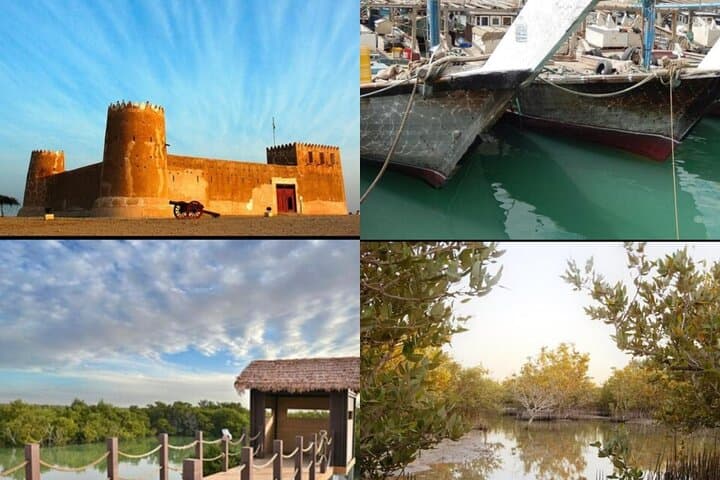
You pull away from Doha’s glass-and-concrete horizon and the air changes — salt and earth moving together as the road threads north toward Al Khor. Palm palms thin, then scrub and flats open to a ribbon of mangrove where water dares to reach inland. The tour moves at a steady, private pace: a coastal harbor still shaped by fishing, a narrow causeway to Purple Island, salt-slick flats, and the low stone profile of Zubarah Fort.
You pull away from Doha’s glass-and-concrete horizon and the air changes — salt and earth moving together as the road threads north toward Al Khor. Palm palms thin, then scrub and flats open to a ribbon of mangrove where water dares to reach inland. The tour moves at a steady, private pace: a coastal harbor still shaped by fishing, a narrow causeway to Purple Island, salt-slick flats, and the low stone profile of Zubarah Fort.
The route stitches modern Qatar to older economies: Al Khor’s fishing and pearl history, the mangrove channels that have long supported shorebirds, and Zubarah’s fortified compound, associated with the Al Thani era and the region’s pearling past. Geologically, the northern coast is flat limestone and sabkha — hard ground that sometimes gives way to tidal channels — and the mangroves thrive where tidal flow lets seawater and sediment mix.
Culturally, this is a working coastline; you’ll see fishermen, small ports, and abandoned pearling settlements like Al Jumail. Expect short walks on uneven ground, shallow boardwalks at mangrove fringes, and basic exhibits at Zubarah Fort that frame local history.
Practical guidance: plan for strong sun and sudden winds, bring a hat, water, and comfortable walking shoes with grip. Timing matters — early morning or late afternoon softens heat and increases bird activity. Respect signage at archaeological sites, keep to paths in the mangroves, and allow a private vehicle to set the pace — the experience is less about speed and more about seeing the north’s layered coastline.