THE ADVENTURE COLLECTIVE® · Independent discovery and booking for outdoor travel

A four‑hour private drive from Doha along Qatar’s northern coast that pairs tidal mangroves and birdlife with the stark, restored walls of Al Zubarah Fort. Expect short walks, coastal panoramas and accessible cultural context.
A four‑hour private drive from Doha along Qatar’s northern coast that pairs tidal mangroves and birdlife with the stark, restored walls of Al Zubarah Fort. Expect short walks, coastal panoramas and accessible cultural context.
You step out of an air‑conditioned vehicle into a coastline shaped by wind and tide: salt flats crack softly underfoot, mangrove roots reach like braids into still bays, and the low silhouette of Al Zubarah Fort cuts the horizon. The tour moves at a calm, purposeful pace — a short walk along Al Khor’s promenade, a boatlike glance across Al Thakhira’s mangroves, then the ochre walls of a 20th‑century fortress surrounded by abandoned village ruins.
Verified experiences and guided adventures in the surrounding area.
Operated by Monster Adventures Qatar · Al Zubarah, Al Shamal
You step out of an air‑conditioned vehicle into a coastline shaped by wind and tide: salt flats crack softly underfoot, mangrove roots reach like braids into still bays, and the low silhouette of Al Zubarah Fort cuts the horizon. The tour moves at a calm, purposeful pace — a short walk along Al Khor’s promenade, a boatlike glance across Al Thakhira’s mangroves, then the ochre walls of a 20th‑century fortress surrounded by abandoned village ruins.
Historically the north coast threaded Qatar into pearling and fishing networks; Al Khor’s harbors and repair yards still hum with the craft of small boats. Geologically this shoreline is recent — sandy spits, sabkha flats and sheltered inlets that let grey mangroves take root. Culturally the region reads as working coast: fishermen, small family settlements, and archaeological layers on Purple Island that hint at Bronze Age ties to the Gulf.
Practical guidance is straightforward. The private tour is about four hours total with short, mostly flat walks at each stop — expect paved promenades and compacted sand; the Al Zubarah site has steps and gravel. Heat and sun are the main challenges: schedule morning or late afternoon in summer, carry water, and wear modest, sun‑protective clothing when visiting villages and the fort. Bring binoculars for shorebirds in the mangroves and a camera for the stark geometry of the fort and collapsed vernacular houses. Respect signage at the UNESCO site — stay on paths to protect fragile archaeology.
This itinerary suits travelers who want easy access to Qatar’s northern landscapes and history without strenuous hiking, offering a tactile view of how sea, sand and human industry shaped this edge of the peninsula.
easy.
4 hours.
Light activity; suitable for most travelers who can walk short distances on flat or uneven ground
The tour is approximately four hours with short walks (10–40 minutes) at each stop on mostly flat terrain; some gravel at the fort and ruined villages.
Check your booking details; many private tours include transportation but not always archaeological site entry — confirm with the operator before travel.
Light, sun‑protective clothing, sturdy shoes, sun protection, a refillable water bottle and camera; modest dress is recommended at cultural sites.
Al Zubarah grew into a regional pearling and trading center; its fort (built under Sheikh Abdullah bin Jassim Al Thani in 1938) guards remnants of 18th–19th century settlement patterns.
The mangroves are important bird and nursery habitat; stay on designated channels and avoid disturbing wildlife to limit erosion and habitat stress.
Monster Adventures Qatar operates guided outdoor trips and adventures with an emphasis on safety, stewardship, and memorable experiences.
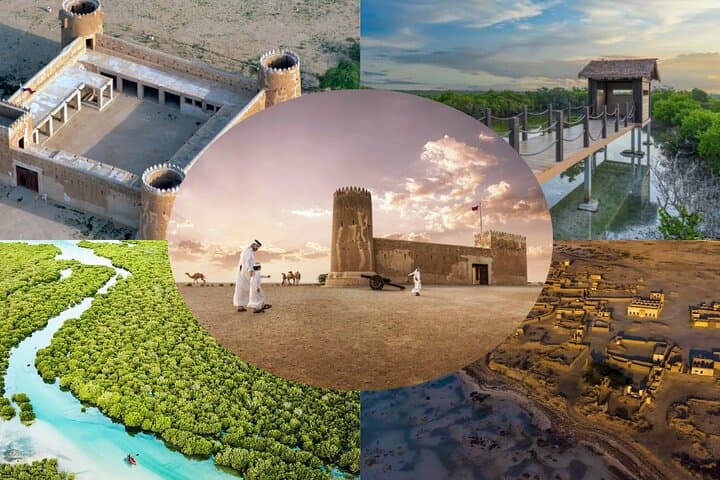
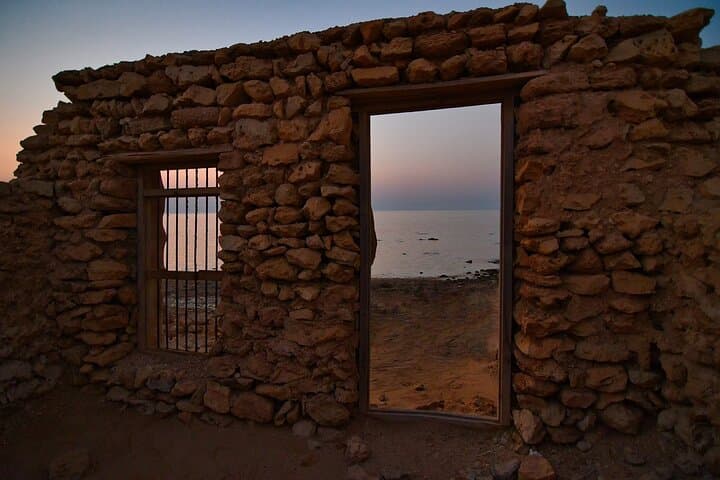
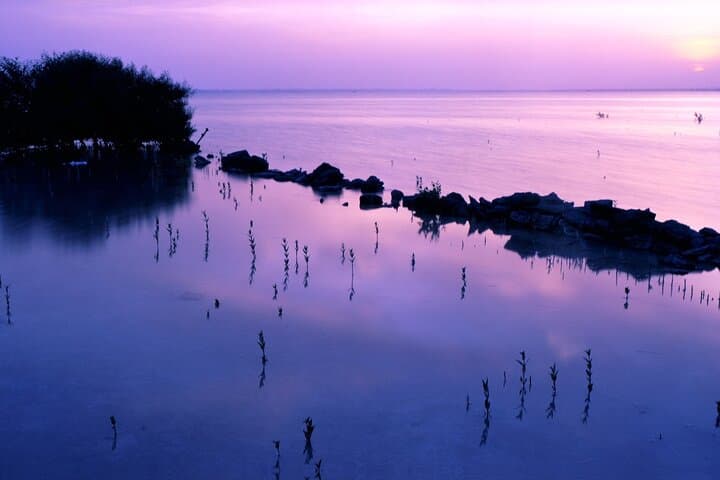
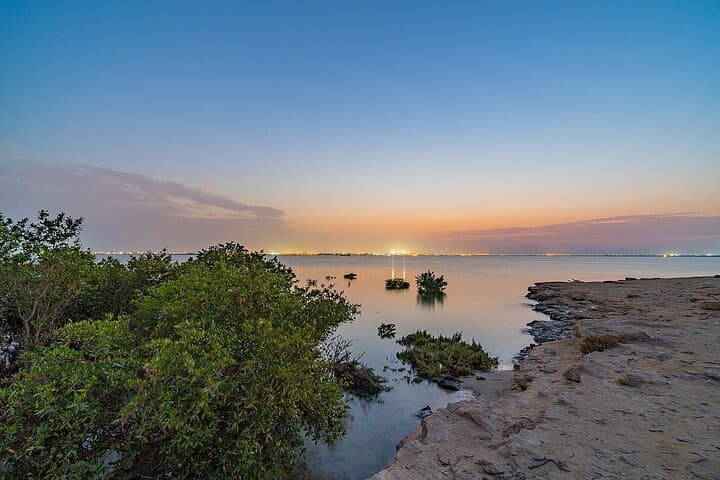
You step out of an air‑conditioned vehicle into a coastline shaped by wind and tide: salt flats crack softly underfoot, mangrove roots reach like braids into still bays, and the low silhouette of Al Zubarah Fort cuts the horizon. The tour moves at a calm, purposeful pace — a short walk along Al Khor’s promenade, a boatlike glance across Al Thakhira’s mangroves, then the ochre walls of a 20th‑century fortress surrounded by abandoned village ruins.
You step out of an air‑conditioned vehicle into a coastline shaped by wind and tide: salt flats crack softly underfoot, mangrove roots reach like braids into still bays, and the low silhouette of Al Zubarah Fort cuts the horizon. The tour moves at a calm, purposeful pace — a short walk along Al Khor’s promenade, a boatlike glance across Al Thakhira’s mangroves, then the ochre walls of a 20th‑century fortress surrounded by abandoned village ruins.
Historically the north coast threaded Qatar into pearling and fishing networks; Al Khor’s harbors and repair yards still hum with the craft of small boats. Geologically this shoreline is recent — sandy spits, sabkha flats and sheltered inlets that let grey mangroves take root. Culturally the region reads as working coast: fishermen, small family settlements, and archaeological layers on Purple Island that hint at Bronze Age ties to the Gulf.
Practical guidance is straightforward. The private tour is about four hours total with short, mostly flat walks at each stop — expect paved promenades and compacted sand; the Al Zubarah site has steps and gravel. Heat and sun are the main challenges: schedule morning or late afternoon in summer, carry water, and wear modest, sun‑protective clothing when visiting villages and the fort. Bring binoculars for shorebirds in the mangroves and a camera for the stark geometry of the fort and collapsed vernacular houses. Respect signage at the UNESCO site — stay on paths to protect fragile archaeology.
This itinerary suits travelers who want easy access to Qatar’s northern landscapes and history without strenuous hiking, offering a tactile view of how sea, sand and human industry shaped this edge of the peninsula.