THE ADVENTURE COLLECTIVE® · Independent discovery and booking for outdoor travel

A single‑day private tour that pairs Doha’s modern museums and souks with the archaeological and coastal landscapes north of the city. Ideal for travelers who want curated cultural context and easy access to natural mangroves and UNESCO heritage.
A single‑day private tour that pairs Doha’s modern museums and souks with the archaeological and coastal landscapes north of the city. Ideal for travelers who want curated cultural context and easy access to natural mangroves and UNESCO heritage.
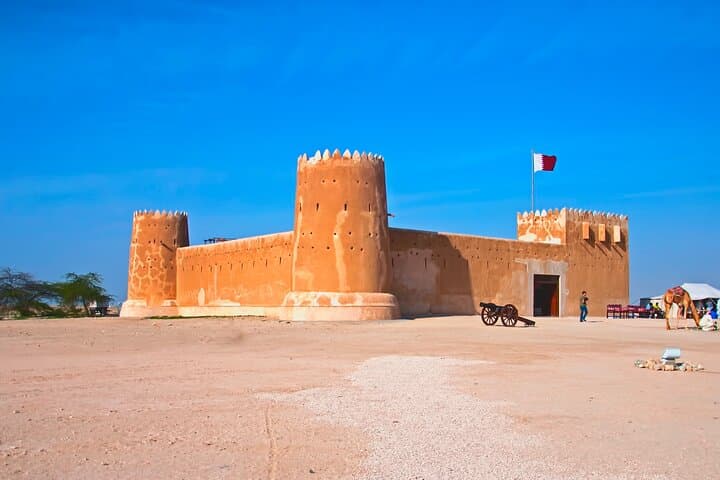
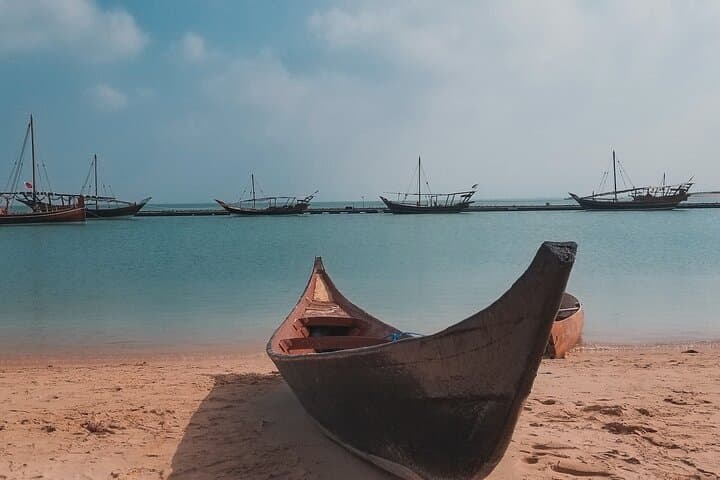
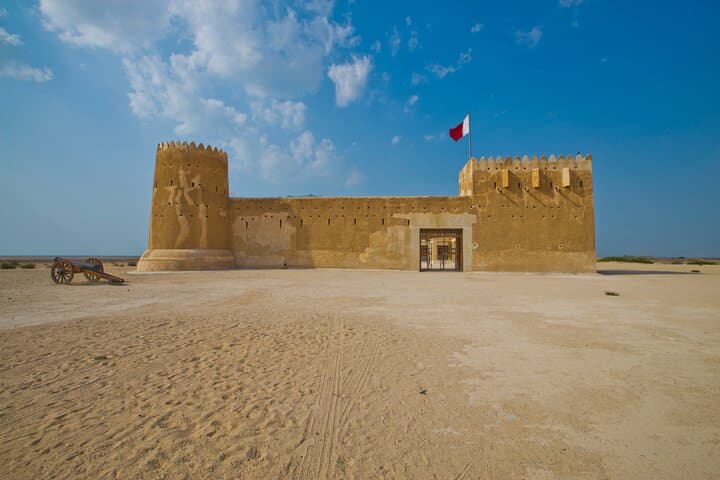
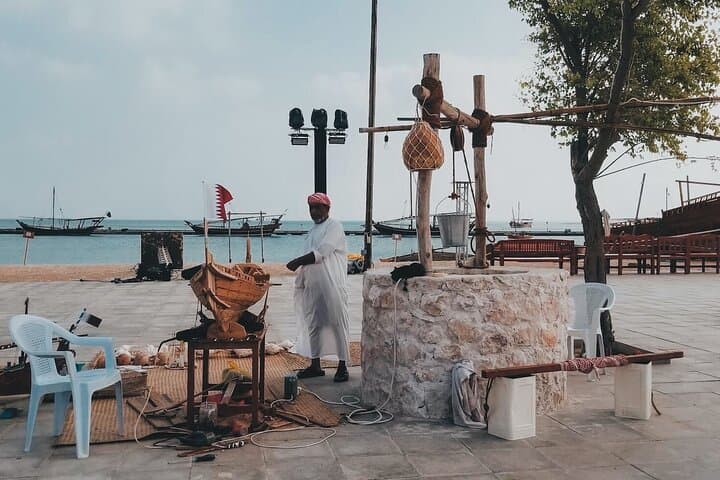
The morning wind off the Persian Gulf pushes a cool ribbon across Doha’s Corniche as glass towers and traditional dhow masts sit in a sharpened skyline. This eight‑hour private combo moves from the city’s polished museums and souk alleys to the quieter gravel plains and mangrove edges north of the capital. You’ll step from air‑conditioned SUV comfort into the shaded lanes of Souq Waqif, hear the creak of wooden dhows at Al Mina, and later trade the city’s hum for the sparse archaeology at Al Zubarah Fort.
Verified experiences and guided adventures in the surrounding area.
Operated by Explorex Tourism · Doha, Doha
The morning wind off the Persian Gulf pushes a cool ribbon across Doha’s Corniche as glass towers and traditional dhow masts sit in a sharpened skyline. This eight‑hour private combo moves from the city’s polished museums and souk alleys to the quieter gravel plains and mangrove edges north of the capital. You’ll step from air‑conditioned SUV comfort into the shaded lanes of Souq Waqif, hear the creak of wooden dhows at Al Mina, and later trade the city’s hum for the sparse archaeology at Al Zubarah Fort.
Qatar’s story is visible everywhere: natural gas wealth reshaped Doha’s skyline while the pre‑oil economy revolved around pearl diving and coastal trade. Geologically the peninsula is low carbonate bedrock with sandy dunes inland and sheltered mangrove stands along shallow bays—Purple Island’s red‑tinged shoreline supports birds and crustaceans. Culturally, sites like Katara and the Museum of Islamic Art reflect a rapid blending of traditional craft, Gulf architecture, and contemporary exhibition-making.
Practical guidance: plan for an early start to avoid peak heat; National Museum of Qatar lists a separate 50 QR entry fee, so bring small cash or card. Modest clothing is appropriate for cultural sites; comfortable walking shoes and sun protection matter more than fitness. The tour is wheelchair accessible and provided in a private Land Cruiser with a guide who handles logistics and local storytelling. Hydrate often; restroom and snack stops are available but bring your own water for longer stretches. Expect a paced day of short walks and photo stops—great for travelers who want both urban culture and tangible links to Qatar’s coastal past.
easy.
7–8 hours.
Suitable for most travelers who can walk 1–2 miles total with short, occasional uneven terrain; not physically demanding.
Some site admissions, such as the National Museum of Qatar, may charge an entry fee (example: 50 QAR); confirm with the operator before travel.
Yes—transport and most listed stops are wheelchair accessible, but some historic ruins have uneven surfaces that limit full access.
The tour provides tea and water; full meals are not included—your guide can recommend or stop at restaurants for additional purchases.
Full refund if cancelled at least 24 hours before departure; no refund within 24 hours, per the standard policy.
Qatar’s coastal settlements were shaped by centuries of pearling and maritime trade; Al Zubarah Fort anchors a UNESCO‑listed archaeological landscape documenting that past.
Mangrove areas around Purple Island are sensitive habitats—stick to marked paths, avoid littering, and follow guide instructions to reduce disturbance to wildlife.
Explorex Tourism operates guided outdoor trips and adventures with an emphasis on safety, stewardship, and memorable experiences.
The morning wind off the Persian Gulf pushes a cool ribbon across Doha’s Corniche as glass towers and traditional dhow masts sit in a sharpened skyline. This eight‑hour private combo moves from the city’s polished museums and souk alleys to the quieter gravel plains and mangrove edges north of the capital. You’ll step from air‑conditioned SUV comfort into the shaded lanes of Souq Waqif, hear the creak of wooden dhows at Al Mina, and later trade the city’s hum for the sparse archaeology at Al Zubarah Fort.
The morning wind off the Persian Gulf pushes a cool ribbon across Doha’s Corniche as glass towers and traditional dhow masts sit in a sharpened skyline. This eight‑hour private combo moves from the city’s polished museums and souk alleys to the quieter gravel plains and mangrove edges north of the capital. You’ll step from air‑conditioned SUV comfort into the shaded lanes of Souq Waqif, hear the creak of wooden dhows at Al Mina, and later trade the city’s hum for the sparse archaeology at Al Zubarah Fort.
Qatar’s story is visible everywhere: natural gas wealth reshaped Doha’s skyline while the pre‑oil economy revolved around pearl diving and coastal trade. Geologically the peninsula is low carbonate bedrock with sandy dunes inland and sheltered mangrove stands along shallow bays—Purple Island’s red‑tinged shoreline supports birds and crustaceans. Culturally, sites like Katara and the Museum of Islamic Art reflect a rapid blending of traditional craft, Gulf architecture, and contemporary exhibition-making.
Practical guidance: plan for an early start to avoid peak heat; National Museum of Qatar lists a separate 50 QR entry fee, so bring small cash or card. Modest clothing is appropriate for cultural sites; comfortable walking shoes and sun protection matter more than fitness. The tour is wheelchair accessible and provided in a private Land Cruiser with a guide who handles logistics and local storytelling. Hydrate often; restroom and snack stops are available but bring your own water for longer stretches. Expect a paced day of short walks and photo stops—great for travelers who want both urban culture and tangible links to Qatar’s coastal past.