THE ADVENTURE COLLECTIVE® · Independent discovery and booking for outdoor travel

Explore Doha’s Museum of Islamic Art with a private guide across four focused hours of architecture, manuscripts and metalwork. This tour pairs in-depth gallery time with practical access notes for first-time visitors.
Explore Doha’s Museum of Islamic Art with a private guide across four focused hours of architecture, manuscripts and metalwork. This tour pairs in-depth gallery time with practical access notes for first-time visitors.
You step out of the air-conditioned vehicle onto a pier of sun-bright stone and the museum rises — a cubistic pyramid of pale limestone that seems to float above the Persian Gulf. Salt-slick wind moves across the plaza, the glass facade reflecting Doha's skyline while geometric stonework invites a closer look.
Verified experiences and guided adventures in the surrounding area.
Operated by Oman Day Tours · Doha, Doha
You step out of the air-conditioned vehicle onto a pier of sun-bright stone and the museum rises — a cubistic pyramid of pale limestone that seems to float above the Persian Gulf. Salt-slick wind moves across the plaza, the glass facade reflecting Doha's skyline while geometric stonework invites a closer look.
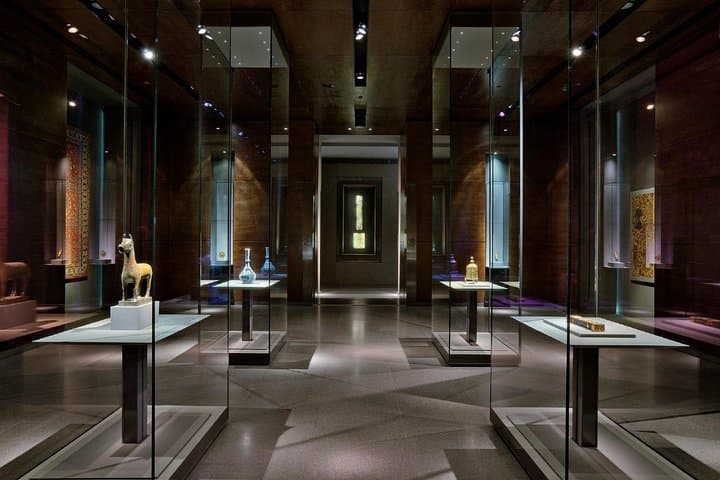
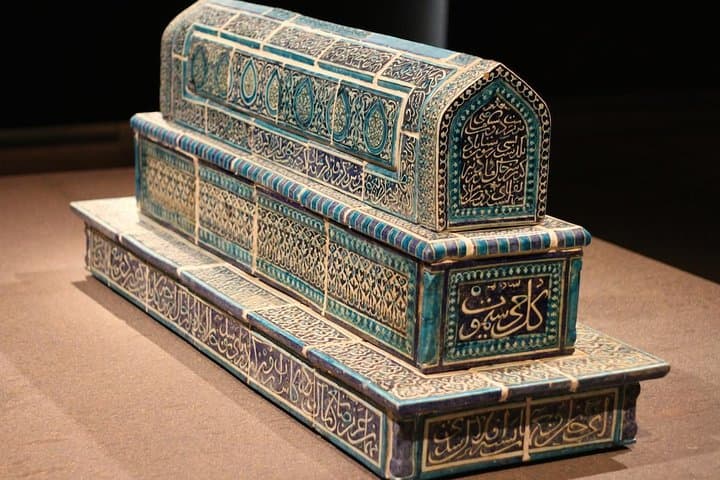
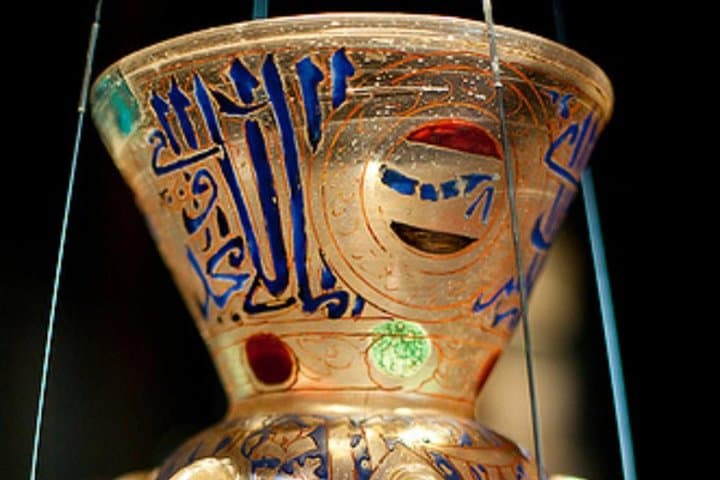
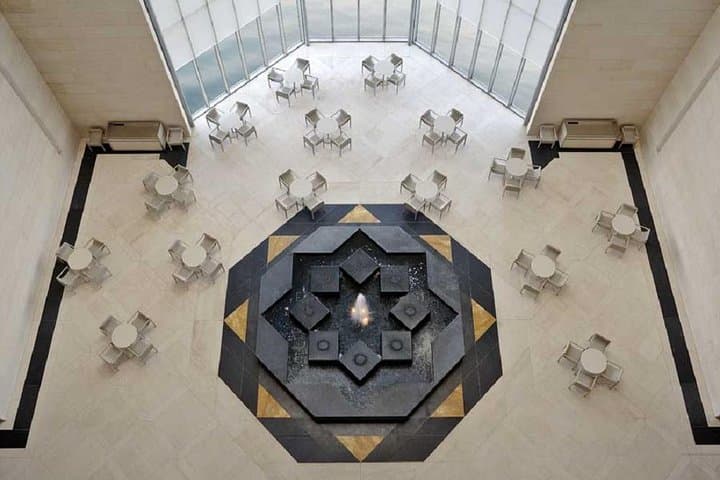
Designed by I.M. Pei and opened in 2008, the Museum of Islamic Art (MIA) traces Islamic visual history from the 7th century through the Ottoman period. The building itself is part of the story: deliberate angles, shadowed colonnades and a central atrium that frames manuscripts, enamelled glass, metalwork and one of the world’s notable collections of Islamic coinage. The galleries move you from functional objects to intensely crafted ceremonial pieces, revealing shifts in trade routes, religious practice and regional craft techniques.
Culturally, MIA sits between tradition and a rapidly modernizing Gulf — a public space Qatar uses to project and preserve its heritage. Outside, MIA Park and the Corniche offer a change of pace: joggers, fishing lines and migrating shorebirds against glass towers.
Practical guide: the private 4-hour format allows slow study of textiles and Qur’anic manuscripts; admission is included and the route is wheelchair accessible. Expect moderate indoor walking on tiled floors with brief outdoor transfers; bring a light layer for cool galleries. Photography is usually allowed without flash; check with your guide for restricted objects. Time your visit for morning or late afternoon to avoid heavy traffic and to combine the tour with a walk along the Corniche or a stop at the museum café.
Yes, this 4-hour private tour includes museum admission as part of the itinerary.
Yes — the museum provides ramps, elevators and accessible routes; note that some historic objects are displayed behind low barriers.
Private guides may offer tours in multiple languages depending on availability; request your preferred language when booking.
Small bags are typically allowed but may be subject to a quick security check; oversized backpacks may need to be stored.
Oman Day Tours operates guided outdoor trips and adventures with an emphasis on safety, stewardship, and memorable experiences.
You step out of the air-conditioned vehicle onto a pier of sun-bright stone and the museum rises — a cubistic pyramid of pale limestone that seems to float above the Persian Gulf. Salt-slick wind moves across the plaza, the glass facade reflecting Doha's skyline while geometric stonework invites a closer look.
You step out of the air-conditioned vehicle onto a pier of sun-bright stone and the museum rises — a cubistic pyramid of pale limestone that seems to float above the Persian Gulf. Salt-slick wind moves across the plaza, the glass facade reflecting Doha's skyline while geometric stonework invites a closer look.
Designed by I.M. Pei and opened in 2008, the Museum of Islamic Art (MIA) traces Islamic visual history from the 7th century through the Ottoman period. The building itself is part of the story: deliberate angles, shadowed colonnades and a central atrium that frames manuscripts, enamelled glass, metalwork and one of the world’s notable collections of Islamic coinage. The galleries move you from functional objects to intensely crafted ceremonial pieces, revealing shifts in trade routes, religious practice and regional craft techniques.
Culturally, MIA sits between tradition and a rapidly modernizing Gulf — a public space Qatar uses to project and preserve its heritage. Outside, MIA Park and the Corniche offer a change of pace: joggers, fishing lines and migrating shorebirds against glass towers.
Practical guide: the private 4-hour format allows slow study of textiles and Qur’anic manuscripts; admission is included and the route is wheelchair accessible. Expect moderate indoor walking on tiled floors with brief outdoor transfers; bring a light layer for cool galleries. Photography is usually allowed without flash; check with your guide for restricted objects. Time your visit for morning or late afternoon to avoid heavy traffic and to combine the tour with a walk along the Corniche or a stop at the museum café.