THE ADVENTURE COLLECTIVE® · Independent discovery and booking for outdoor travel

See Doha’s old and new in one half-day: wander Souq Waqif, visit Katara and the Pearl, then glide along the Corniche on a traditional dhow. This practical guide explains what to expect, how to prepare, and where the best photo spots are.
See Doha’s old and new in one half-day: wander Souq Waqif, visit Katara and the Pearl, then glide along the Corniche on a traditional dhow. This practical guide explains what to expect, how to prepare, and where the best photo spots are.
A morning in Doha begins on the Corniche where sea air lifts the city’s glass and limestone facades and the Arabian Gulf dares you to look farther. Guests move from the narrow alleys of Souq Waqif—where spices and falcon stalls order the senses—to open waterfront panoramas viewed from a low-slung wooden dhow, the traditional boat that threads the skyline.
Verified experiences and guided adventures in the surrounding area.
Operated by Doha transit and Tours · Doha, Doha
A morning in Doha begins on the Corniche where sea air lifts the city’s glass and limestone facades and the Arabian Gulf dares you to look farther. Guests move from the narrow alleys of Souq Waqif—where spices and falcon stalls order the senses—to open waterfront panoramas viewed from a low-slung wooden dhow, the traditional boat that threads the skyline.
Doha’s rapid transformation from pearling village to Gulf capital is visible here: Ottoman-style marketplaces sit a short drive from modern marinas and I.M. Pei’s Museum of Islamic Art. Geologically the peninsula is flat limestone and sand; the urban coastline has been reshaped by reclamation—Pearl-Qatar is a recent artificial island built for luxury living, while Katara Cultural Village channels regional architecture and contemporary arts under one roof.
Culturally the tour balances heritage and modernity: expect local handicrafts, the falcon trade’s lingering presence, and contemporary Qatari dining options.
Practical guidance: plan for four hours including short walks and a 30–60 minute dhow cruise; bring sunscreen and a refillable bottle—the desert sun is relentless and the boat ride can be breezy. Comfortable shoes suit paved souq alleys and marina promenades; modest dress is respectful at cultural sites. The itinerary is suitable for most fitness levels, and tours typically include air-conditioned pickup and a local English-speaking guide.
Timing tip: early morning or late afternoon avoids the heat and delivers the best light for skyline photography. Keep small change for souq purchases and allow time to linger at a café—Doha rewards curiosity.
easy.
4 hours.
Suitable for average fitness; mostly short, flat walks and a seated boat ride.
The typical dhow ride lasts about 30 minutes to an hour and is timed to provide coastal skyline views without extending the half-day schedule.
Yes; the itinerary is rated easy and stroller-accessible, though infants are usually required to sit on laps during the boat portion.
Most stops are exterior photo stops; entry to museums or paid attractions is generally not included unless specified—check the booking details.
English-speaking guides are standard; private tours may provide guides in other languages on request when available.
Doha grew from a pearling and fishing economy; the Corniche and souqs reflect its maritime past while recent reclamation projects created Pearl-Qatar and Lusail.
Coastal development has altered natural shorelines—respect designated pathways and avoid littering; many operators follow simple sustainability practices like using bottled water sparingly and supporting local cultural sites.
Doha transit and Tours operates guided outdoor trips and adventures with an emphasis on safety, stewardship, and memorable experiences.
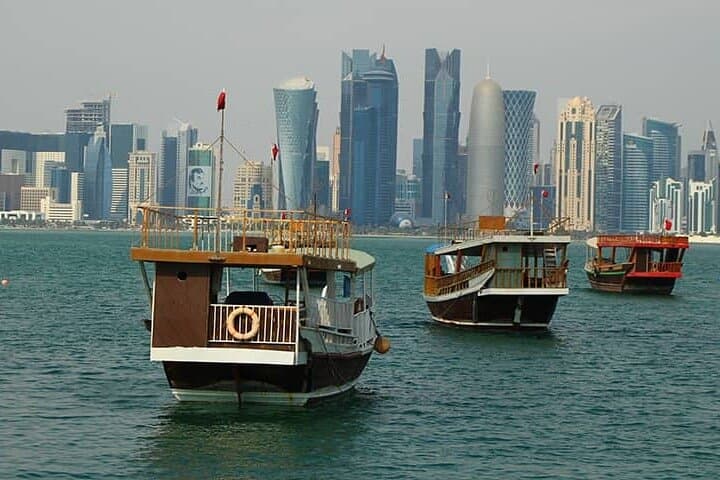
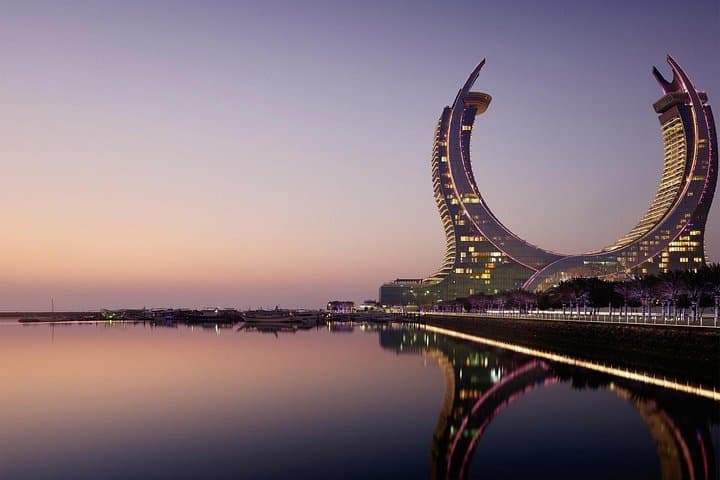
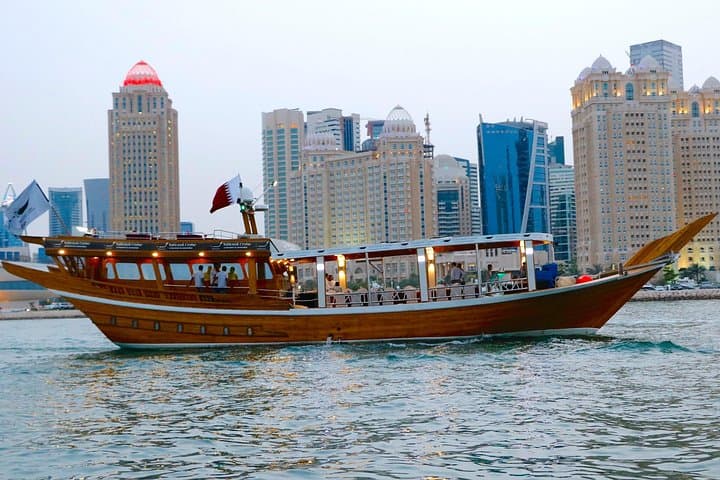
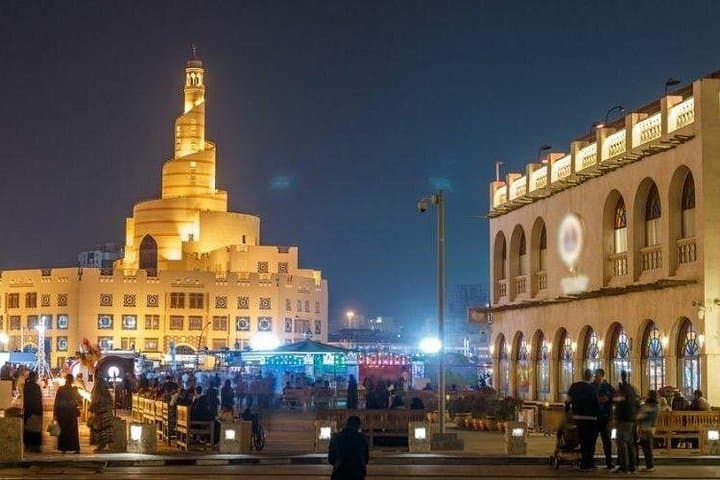
A morning in Doha begins on the Corniche where sea air lifts the city’s glass and limestone facades and the Arabian Gulf dares you to look farther. Guests move from the narrow alleys of Souq Waqif—where spices and falcon stalls order the senses—to open waterfront panoramas viewed from a low-slung wooden dhow, the traditional boat that threads the skyline.
A morning in Doha begins on the Corniche where sea air lifts the city’s glass and limestone facades and the Arabian Gulf dares you to look farther. Guests move from the narrow alleys of Souq Waqif—where spices and falcon stalls order the senses—to open waterfront panoramas viewed from a low-slung wooden dhow, the traditional boat that threads the skyline.
Doha’s rapid transformation from pearling village to Gulf capital is visible here: Ottoman-style marketplaces sit a short drive from modern marinas and I.M. Pei’s Museum of Islamic Art. Geologically the peninsula is flat limestone and sand; the urban coastline has been reshaped by reclamation—Pearl-Qatar is a recent artificial island built for luxury living, while Katara Cultural Village channels regional architecture and contemporary arts under one roof.
Culturally the tour balances heritage and modernity: expect local handicrafts, the falcon trade’s lingering presence, and contemporary Qatari dining options.
Practical guidance: plan for four hours including short walks and a 30–60 minute dhow cruise; bring sunscreen and a refillable bottle—the desert sun is relentless and the boat ride can be breezy. Comfortable shoes suit paved souq alleys and marina promenades; modest dress is respectful at cultural sites. The itinerary is suitable for most fitness levels, and tours typically include air-conditioned pickup and a local English-speaking guide.
Timing tip: early morning or late afternoon avoids the heat and delivers the best light for skyline photography. Keep small change for souq purchases and allow time to linger at a café—Doha rewards curiosity.