THE ADVENTURE COLLECTIVE® · Independent discovery and booking for outdoor travel

Spend four hours with a local guide discovering Doha’s modern skyline, the Museum of Islamic Art, Souq Waqif’s lively alleys and a short dhow ride along the Corniche. This compact city tour pairs history and coastal views for first-time visitors.
Spend four hours with a local guide discovering Doha’s modern skyline, the Museum of Islamic Art, Souq Waqif’s lively alleys and a short dhow ride along the Corniche. This compact city tour pairs history and coastal views for first-time visitors.
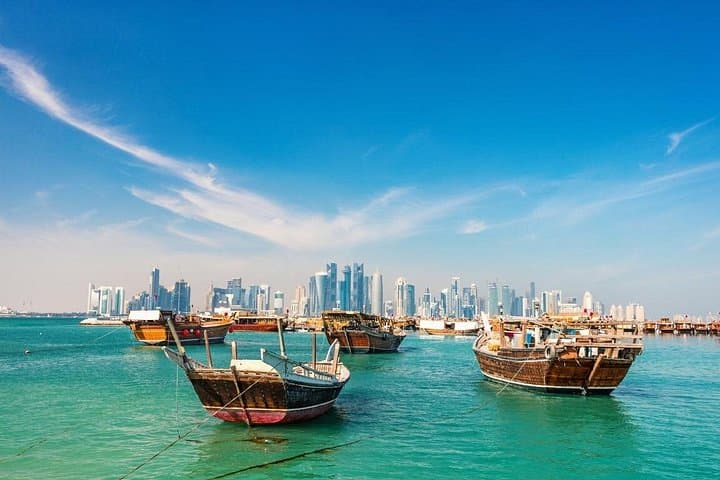
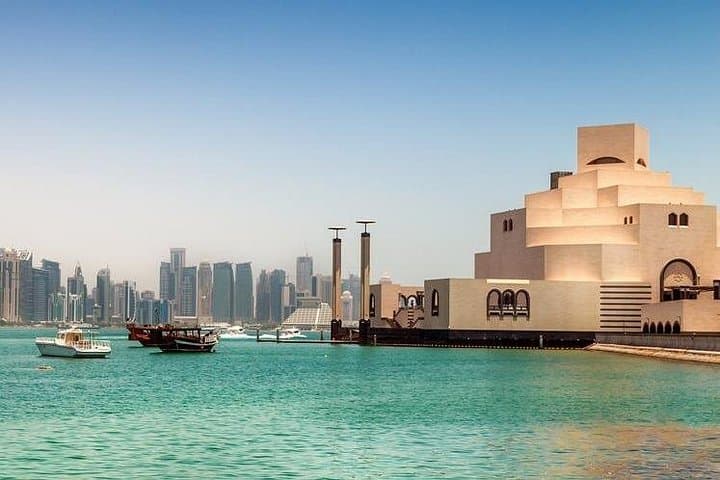
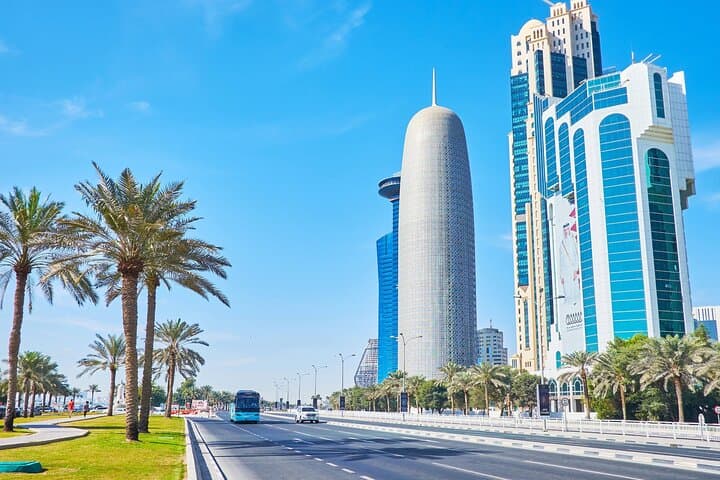
The sun sits low over the Arabian Gulf as the dhow slips away from the Corniche, wood creaking gently while the city’s glass towers toss back the light. In four hours a local guide threads visitors through Doha’s contrasts — the geometric calm of the Museum of Islamic Art, the spice-scented alleys of Souq Waqif, and the palm-lined curve of the Corniche where the sea seems to test the shore.
Verified experiences and guided adventures in the surrounding area.
Operated by Arabian Tourism · Doha, Ad Dawhah
The sun sits low over the Arabian Gulf as the dhow slips away from the Corniche, wood creaking gently while the city’s glass towers toss back the light. In four hours a local guide threads visitors through Doha’s contrasts — the geometric calm of the Museum of Islamic Art, the spice-scented alleys of Souq Waqif, and the palm-lined curve of the Corniche where the sea seems to test the shore.
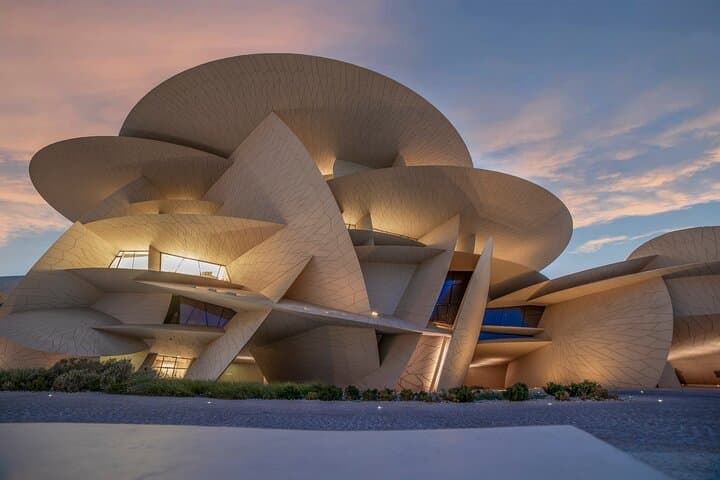
Doha’s streets tell a recent story: a fishing and pearling economy stretched thin by oil money and rapid urban growth. Geology is subtle here — flat limestone and reclaimed sand sculpted into The Pearl — but the human layers are obvious in traditional wind towers beside modern skyscrapers. Katara Cultural Village and West Bay demonstrate Qatar’s investment in global culture and performance.
Expect atmospheric walking in shaded souq lanes, brief photo stops at the museum and Corniche, and a calm 20–30 minute dhow ride giving a low, coastal perspective of the skyline. The guide provides context: falconry traditions, the pearl trade, and how modern Doha balances heritage with ambitious architecture.
Practical guidance: schedule early morning or late afternoon for milder temperatures, wear breathable clothing that respects local customs, and bring sun protection and comfortable shoes. Hydrate between stops — bottled water is typically provided — and carry small local currency for souq purchases and tipping. The pace is relaxed but includes short walks and some standing; it’s an efficient introduction for first-time visitors wanting both culture and a coastal ride.
easy.
4 hours.
Suitable for most fitness levels; involves short walks and standing periods.
Many operators offer hotel pickup; confirm during booking and provide flight or hotel details for a private transfer.
Dhow segments are typically 20–30 minutes; operators may cancel in high winds or unsafe sea conditions but Qatar’s waters are usually calm.
This tour commonly provides exterior photo stops; museum admission is not typically included — check your booking details to confirm.
Yes; the itinerary notes stroller access and infant seats, and the pace is suitable for children with short walks and breaks.
Doha evolved from a pearling and fishing economy; oil and gas transformed it into a rapid urban center while traditional markets preserved cultural practices.
Coastal development has reshaped shorelines, so support responsible dhow operators and avoid littering; use reusable water where possible and follow local guidance to protect marine life.
Arabian Tourism operates guided outdoor trips and adventures with an emphasis on safety, stewardship, and memorable experiences.
The sun sits low over the Arabian Gulf as the dhow slips away from the Corniche, wood creaking gently while the city’s glass towers toss back the light. In four hours a local guide threads visitors through Doha’s contrasts — the geometric calm of the Museum of Islamic Art, the spice-scented alleys of Souq Waqif, and the palm-lined curve of the Corniche where the sea seems to test the shore.
The sun sits low over the Arabian Gulf as the dhow slips away from the Corniche, wood creaking gently while the city’s glass towers toss back the light. In four hours a local guide threads visitors through Doha’s contrasts — the geometric calm of the Museum of Islamic Art, the spice-scented alleys of Souq Waqif, and the palm-lined curve of the Corniche where the sea seems to test the shore.
Doha’s streets tell a recent story: a fishing and pearling economy stretched thin by oil money and rapid urban growth. Geology is subtle here — flat limestone and reclaimed sand sculpted into The Pearl — but the human layers are obvious in traditional wind towers beside modern skyscrapers. Katara Cultural Village and West Bay demonstrate Qatar’s investment in global culture and performance.
Expect atmospheric walking in shaded souq lanes, brief photo stops at the museum and Corniche, and a calm 20–30 minute dhow ride giving a low, coastal perspective of the skyline. The guide provides context: falconry traditions, the pearl trade, and how modern Doha balances heritage with ambitious architecture.
Practical guidance: schedule early morning or late afternoon for milder temperatures, wear breathable clothing that respects local customs, and bring sun protection and comfortable shoes. Hydrate between stops — bottled water is typically provided — and carry small local currency for souq purchases and tipping. The pace is relaxed but includes short walks and some standing; it’s an efficient introduction for first-time visitors wanting both culture and a coastal ride.