THE ADVENTURE COLLECTIVE® · Independent discovery and booking for outdoor travel

Ride Arabian horses across the pale dunes outside Doha with private transfers, bottled water, and guides suited to beginners and experienced riders alike. This three-hour outing pairs cultural context with a practical desert experience.
Ride Arabian horses across the pale dunes outside Doha with private transfers, bottled water, and guides suited to beginners and experienced riders alike. This three-hour outing pairs cultural context with a practical desert experience.
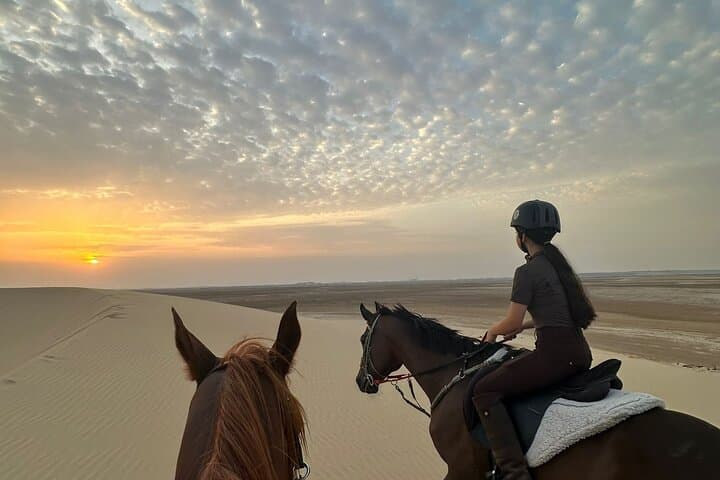
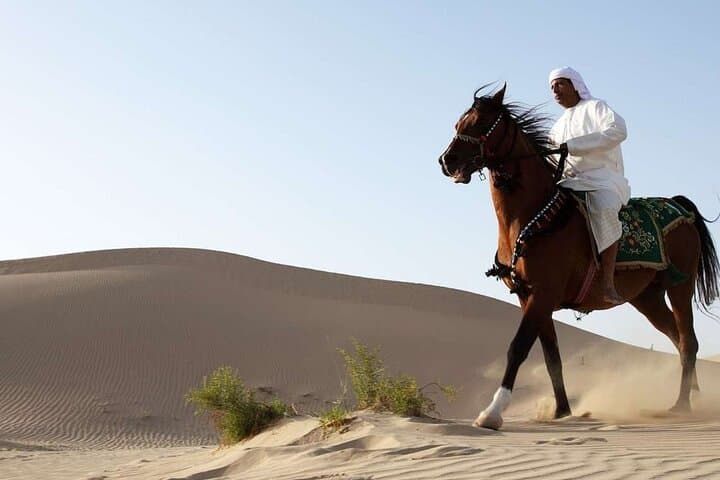
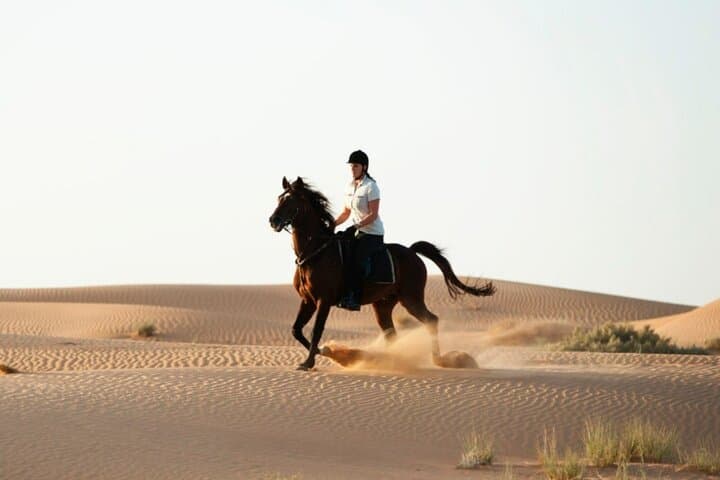
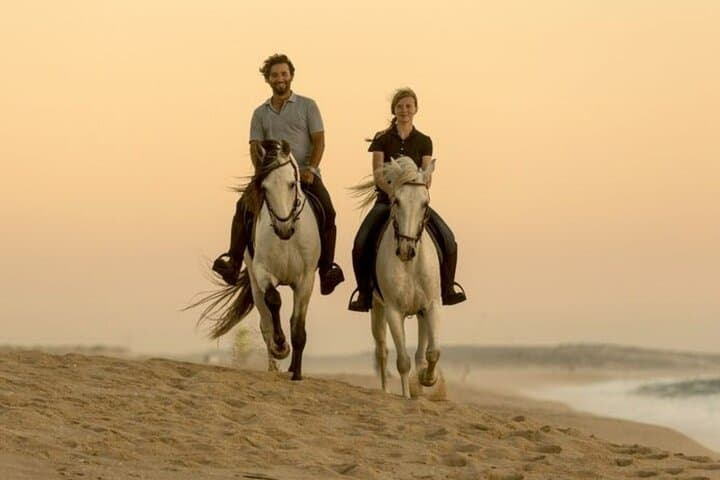
A low wind pushes grit across the pale dunes as an Arabian mare lifts her head, ears alert. Riders step from an air-conditioned vehicle into a wide, sunlit plain where the horses—compact, proud, and ancient—wait with calm assurance. The first moments are about rhythm: the quiet of hoofbeat, the rise and fall of the saddle, the desert horizon pulling the eye to a thin blue line of city.
Verified experiences and guided adventures in the surrounding area.
Operated by Al Annabi Tourism · Doha, Doha
A low wind pushes grit across the pale dunes as an Arabian mare lifts her head, ears alert. Riders step from an air-conditioned vehicle into a wide, sunlit plain where the horses—compact, proud, and ancient—wait with calm assurance. The first moments are about rhythm: the quiet of hoofbeat, the rise and fall of the saddle, the desert horizon pulling the eye to a thin blue line of city.
The Arabian horse is woven into Qatar’s history as a bred companion of Bedouin life; their small, refined frames evolved for endurance in hot, sandy terrain. Geologically, the riding grounds outside Doha are recent Quaternary coastal dunes—wind-formed ridges and flats that shift seasonally and create open sightlines and soft footing under hoof.
Culturally, a ride here is as much about connection as it is motion: guides share brief notes on breeding, tack, and local etiquette while offering options for beginners and experienced riders alike. Practicalities are straightforward—private transfers from Doha, bottled water, and a one- to two-hour mounted segment fitted into a three-hour tour.
Expect flat to rolling dune terrain with compacted sand trails near stables; no technical riding skills are required, but riders should be comfortable sitting independently and following basic commands. Plan for sun exposure, temperature swings between morning and late afternoon, and sandy boots. Bring closed-toe shoes, sun protection, and a small backpack for water and a camera. For a quick, accessible desert introduction that pairs culture with movement, this tour delivers a concise, well-supported ride into the landscape that shaped the Arabian horse.
easy.
3 hours.
Suitable for most people who can sit independently for an hour; low-impact but requires basic balance and ability to mount/dismount
No—this tour accommodates beginners with guided instruction and calmer horses, but you should be comfortable sitting independently.
Many operators provide helmets or headgear—confirm at booking if you require one; a hat is useful for transfers and off-horse time.
The mounted portion is typically about 45–60 minutes within a three-hour total tour including transfers and briefing.
Children may ride depending on age and operator policy; this activity is not recommended for pregnant travelers or those with spinal issues—check provider restrictions when booking.
Arabian horses have been central to Gulf nomadic culture for centuries, valued for endurance and their role in Bedouin livelihoods and ceremonies.
Operators often limit group sizes and stick to existing tracks to reduce dune erosion; respect restricted zones and avoid disturbing vegetation.
Al Annabi Tourism operates guided outdoor trips and adventures with an emphasis on safety, stewardship, and memorable experiences.
A low wind pushes grit across the pale dunes as an Arabian mare lifts her head, ears alert. Riders step from an air-conditioned vehicle into a wide, sunlit plain where the horses—compact, proud, and ancient—wait with calm assurance. The first moments are about rhythm: the quiet of hoofbeat, the rise and fall of the saddle, the desert horizon pulling the eye to a thin blue line of city.
A low wind pushes grit across the pale dunes as an Arabian mare lifts her head, ears alert. Riders step from an air-conditioned vehicle into a wide, sunlit plain where the horses—compact, proud, and ancient—wait with calm assurance. The first moments are about rhythm: the quiet of hoofbeat, the rise and fall of the saddle, the desert horizon pulling the eye to a thin blue line of city.
The Arabian horse is woven into Qatar’s history as a bred companion of Bedouin life; their small, refined frames evolved for endurance in hot, sandy terrain. Geologically, the riding grounds outside Doha are recent Quaternary coastal dunes—wind-formed ridges and flats that shift seasonally and create open sightlines and soft footing under hoof.
Culturally, a ride here is as much about connection as it is motion: guides share brief notes on breeding, tack, and local etiquette while offering options for beginners and experienced riders alike. Practicalities are straightforward—private transfers from Doha, bottled water, and a one- to two-hour mounted segment fitted into a three-hour tour.
Expect flat to rolling dune terrain with compacted sand trails near stables; no technical riding skills are required, but riders should be comfortable sitting independently and following basic commands. Plan for sun exposure, temperature swings between morning and late afternoon, and sandy boots. Bring closed-toe shoes, sun protection, and a small backpack for water and a camera. For a quick, accessible desert introduction that pairs culture with movement, this tour delivers a concise, well-supported ride into the landscape that shaped the Arabian horse.