THE ADVENTURE COLLECTIVE® · Independent discovery and booking for outdoor travel

Spend an hour mushing through Alaska’s Borealis forest with a team of friendly, photogenic huskies. This guided dogsled ride combines accessible thrills with hands-on learning about sled-dog history and kennel life.
Spend an hour mushing through Alaska’s Borealis forest with a team of friendly, photogenic huskies. This guided dogsled ride combines accessible thrills with hands-on learning about sled-dog history and kennel life.
Snow presses against the sled runners and the dogs pull you into a white-quiet forest where the trees seem to lean in and listen. The musher’s voice, steady and practiced, threads through the breath of steam and fur as photogenic huskies paw and pant with eager focus. For 60 minutes you move with animal rhythm—speeding across crusted meadows, easing through fir-shadowed singletrack, and stopping to meet the team.
Verified experiences and guided adventures in the surrounding area.
Operated by Mike King · Anchorage, Alaska
Snow presses against the sled runners and the dogs pull you into a white-quiet forest where the trees seem to lean in and listen. The musher’s voice, steady and practiced, threads through the breath of steam and fur as photogenic huskies paw and pant with eager focus. For 60 minutes you move with animal rhythm—speeding across crusted meadows, easing through fir-shadowed singletrack, and stopping to meet the team.
Sled dogs are woven into Alaska’s living history: from Indigenous mail routes to gold-rush transport and modern Iditarod endurance racing. The Borealis forest you ride through sits on glacially shaped terrain—rounded hills, scattered lakes, and rivers that carved low valleys during the last ice age. Local mushers often share stories about breeding lines, traditional gear, and how modern tourism helps sustain working-dog kennels.
Expect close encounters with the animals themselves—friendly, camera-ready dogs that are trained to work with riders. The landscape is active: wind shapes snowdrifts, and late-afternoon light can sharpen the bark and needle textures of the conifers.
Practical guidance: wear insulated, waterproof footwear and layered outerwear; bring sunglasses or goggles for snow glare. Trips are typically suitable for most ages but check restrictions—infants may need to sit on laps and those with spinal concerns or pregnancy are often advised to sit out. Bookings commonly run one hour with instant confirmation and a 24-hour cancellation policy. Arrive ready to learn: guide briefings include crash-course mushing basics and a meet-and-greet with the dogs, so you leave with both photos and a better appreciation for this rugged Alaskan tradition.
easy.
1 hour.
Suitable for most fitness levels; participants should be able to sit in a sled and follow brief safety instructions.
Children can usually participate; infants may be required to sit on an adult’s lap—check age and booking policies with the operator.
Most operators advise against participation for pregnant guests or those with serious back or spinal conditions; disclose health issues at booking.
Standard policy commonly offers a full refund if canceled at least 24 hours before departure; confirm details when you book.
Mobile tickets are accepted, but confirm redemption instructions and bring ID if requested by the operator.
Sled dogs have been integral to Alaska’s transportation and culture for centuries, later becoming central to long-distance races like the Iditarod and to modern working kennels.
Operators typically follow leave-no-trace practices and manage dog teams to minimize impact; respect trail boundaries and avoid feeding or approaching wildlife.
Mike King operates guided outdoor trips and adventures with an emphasis on safety, stewardship, and memorable experiences.
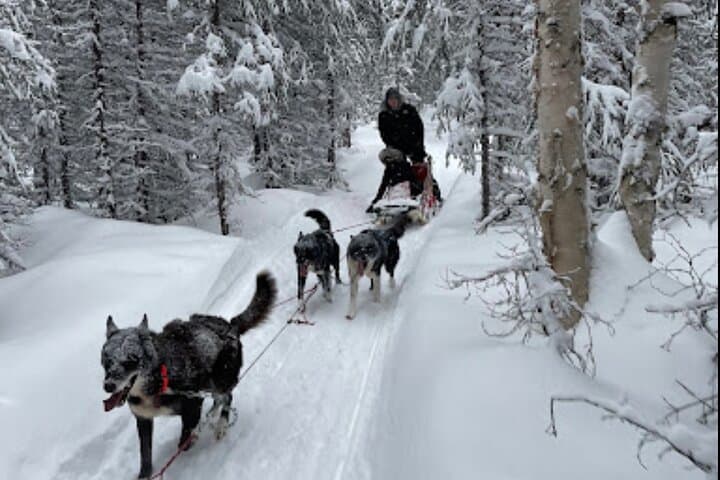
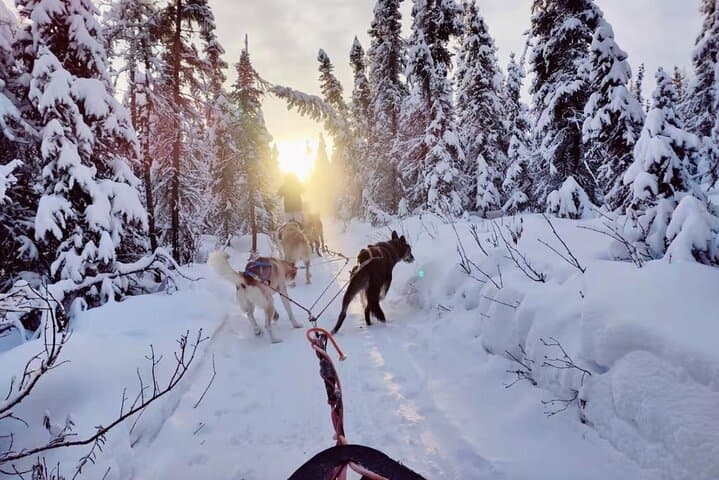
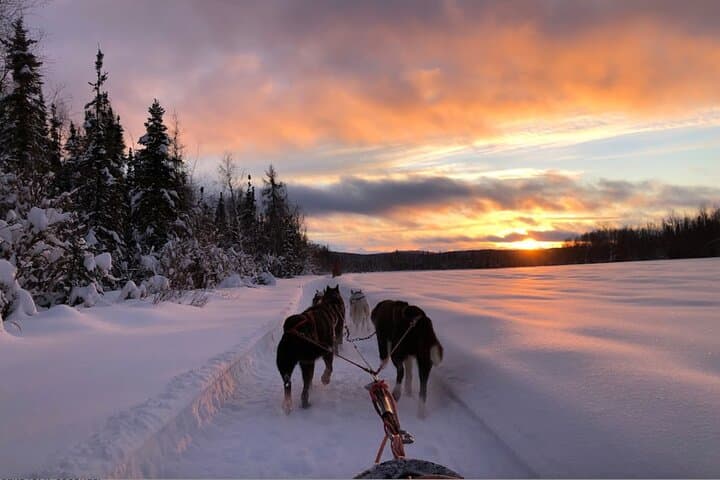
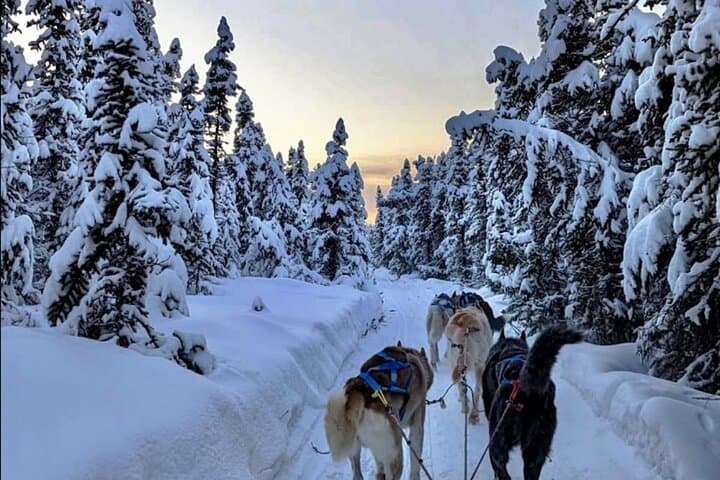
Snow presses against the sled runners and the dogs pull you into a white-quiet forest where the trees seem to lean in and listen. The musher’s voice, steady and practiced, threads through the breath of steam and fur as photogenic huskies paw and pant with eager focus. For 60 minutes you move with animal rhythm—speeding across crusted meadows, easing through fir-shadowed singletrack, and stopping to meet the team.
Snow presses against the sled runners and the dogs pull you into a white-quiet forest where the trees seem to lean in and listen. The musher’s voice, steady and practiced, threads through the breath of steam and fur as photogenic huskies paw and pant with eager focus. For 60 minutes you move with animal rhythm—speeding across crusted meadows, easing through fir-shadowed singletrack, and stopping to meet the team.
Sled dogs are woven into Alaska’s living history: from Indigenous mail routes to gold-rush transport and modern Iditarod endurance racing. The Borealis forest you ride through sits on glacially shaped terrain—rounded hills, scattered lakes, and rivers that carved low valleys during the last ice age. Local mushers often share stories about breeding lines, traditional gear, and how modern tourism helps sustain working-dog kennels.
Expect close encounters with the animals themselves—friendly, camera-ready dogs that are trained to work with riders. The landscape is active: wind shapes snowdrifts, and late-afternoon light can sharpen the bark and needle textures of the conifers.
Practical guidance: wear insulated, waterproof footwear and layered outerwear; bring sunglasses or goggles for snow glare. Trips are typically suitable for most ages but check restrictions—infants may need to sit on laps and those with spinal concerns or pregnancy are often advised to sit out. Bookings commonly run one hour with instant confirmation and a 24-hour cancellation policy. Arrive ready to learn: guide briefings include crash-course mushing basics and a meet-and-greet with the dogs, so you leave with both photos and a better appreciation for this rugged Alaskan tradition.