THE ADVENTURE COLLECTIVE® · Independent discovery and booking for outdoor travel

Catch an LA Dodgers game at Dodger Stadium and feel the crowd surge as stadium lights flick on. This guide explains the stadium’s history, what to expect on game day, and practical tips for tickets, transit and packing.
Catch an LA Dodgers game at Dodger Stadium and feel the crowd surge as stadium lights flick on. This guide explains the stadium’s history, what to expect on game day, and practical tips for tickets, transit and packing.
The afternoon sun pushes across a bowl of concrete and grass as the crowd funnels up the ramps to Dodger Stadium. Palm trees edge the promenades and the outfield flags snap in the breeze; vendors thread the aisles with warmed peanuts and cold drinks while the announcer’s voice starts to stitch the crowd into one living scoreboard.
Verified experiences and guided adventures in the surrounding area.
Operated by Sports Where I Am · Los Angeles, California
The afternoon sun pushes across a bowl of concrete and grass as the crowd funnels up the ramps to Dodger Stadium. Palm trees edge the promenades and the outfield flags snap in the breeze; vendors thread the aisles with warmed peanuts and cold drinks while the announcer’s voice starts to stitch the crowd into one living scoreboard.
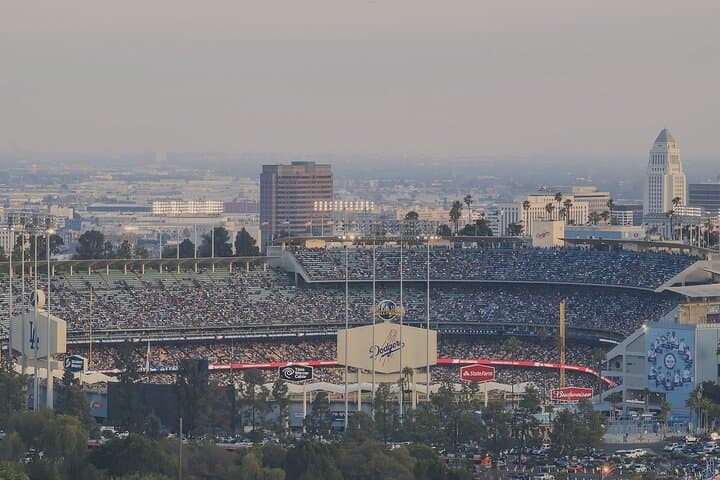
Built into Chavez Ravine and opened in 1962, Dodger Stadium carries decades of baseball history—joyous pennants, playoff nights and a skyline view that frames the Hollywood Hills. The venue sits on volcanic-era formations and coastal plain fill, which gives the stadium its steep, terraced sightlines; culturally it’s a civic landmark for Los Angeles sports, Latinx game-day traditions and summer nightlife under the lights.
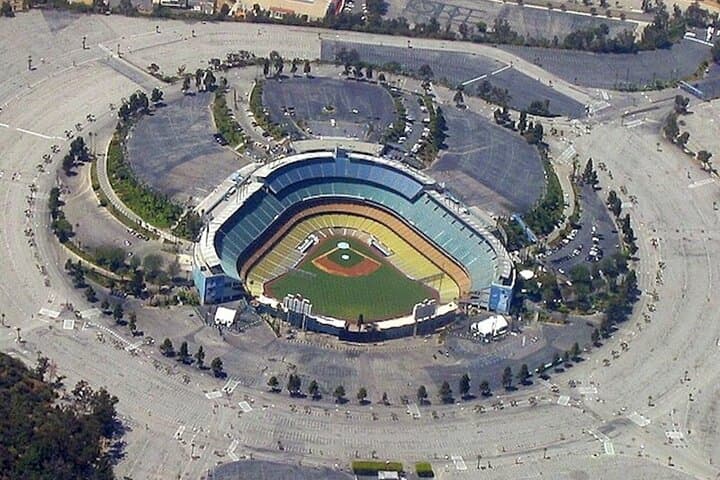
Expect steep concrete terraces, assigned seating by section, and a promenade life of concessions, memorabilia stands and fan activations. The MLB Ballpark app is the gatekeeper for digital tickets and mobile concessions; the stadium enforces clear bag rules and has accessible seating and elevators near main entry points. Traffic and parking are part of the experience—allow extra time, or take nearby public transit and shuttle options when available.
For planning: download the MLB Ballpark app before you arrive, hydrate and bring sun protection for day games, layer for cooler evenings, and arrive 45–60 minutes early to absorb the atmosphere and avoid last-minute lines. Whether you’re here for the crack of a bat or the collective roar after a diving catch, Dodger Stadium delivers loud, accessible baseball in a uniquely Los Angeles setting.
easy.
3 hours.
Suitable for all fitness levels; expect standing and walking on concrete ramps and terraces
Tickets are delivered digitally—download the MLB Ballpark app and log in; your official game ticket will appear there once issued.
Yes. The stadium offers accessible seating, elevators at key entry points, and companion seating—note any needs when booking.
Dodger Stadium follows a clear bag policy—small clutches or clear bags are allowed; large backpacks and coolers are prohibited.
All sales are final for these tickets; check the terms at purchase and consider transfer or resale options through official channels if needed.
Dodger Stadium opened in 1962 on land from Chavez Ravine and is one of MLB’s oldest ballparks, hosting generations of baseball history and community events.
The stadium participates in recycling and water-efficiency programs and encourages public transit and carpooling to reduce game-day congestion and emissions.
Sports Where I Am operates guided outdoor trips and adventures with an emphasis on safety, stewardship, and memorable experiences.
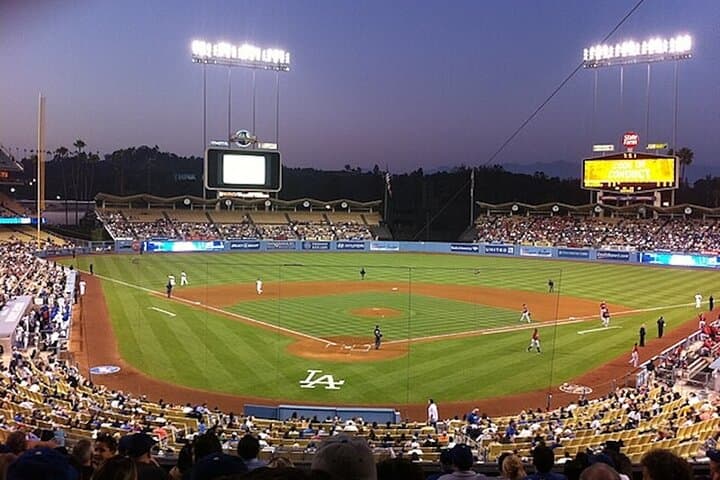
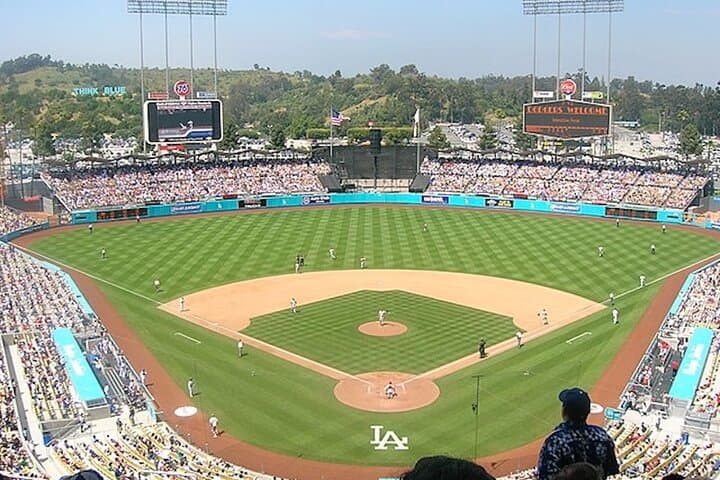
The afternoon sun pushes across a bowl of concrete and grass as the crowd funnels up the ramps to Dodger Stadium. Palm trees edge the promenades and the outfield flags snap in the breeze; vendors thread the aisles with warmed peanuts and cold drinks while the announcer’s voice starts to stitch the crowd into one living scoreboard.
The afternoon sun pushes across a bowl of concrete and grass as the crowd funnels up the ramps to Dodger Stadium. Palm trees edge the promenades and the outfield flags snap in the breeze; vendors thread the aisles with warmed peanuts and cold drinks while the announcer’s voice starts to stitch the crowd into one living scoreboard.
Built into Chavez Ravine and opened in 1962, Dodger Stadium carries decades of baseball history—joyous pennants, playoff nights and a skyline view that frames the Hollywood Hills. The venue sits on volcanic-era formations and coastal plain fill, which gives the stadium its steep, terraced sightlines; culturally it’s a civic landmark for Los Angeles sports, Latinx game-day traditions and summer nightlife under the lights.
Expect steep concrete terraces, assigned seating by section, and a promenade life of concessions, memorabilia stands and fan activations. The MLB Ballpark app is the gatekeeper for digital tickets and mobile concessions; the stadium enforces clear bag rules and has accessible seating and elevators near main entry points. Traffic and parking are part of the experience—allow extra time, or take nearby public transit and shuttle options when available.
For planning: download the MLB Ballpark app before you arrive, hydrate and bring sun protection for day games, layer for cooler evenings, and arrive 45–60 minutes early to absorb the atmosphere and avoid last-minute lines. Whether you’re here for the crack of a bat or the collective roar after a diving catch, Dodger Stadium delivers loud, accessible baseball in a uniquely Los Angeles setting.