THE ADVENTURE COLLECTIVE® · Independent discovery and booking for outdoor travel

Explore the Korean DMZ on a guided day tour from Seoul that combines documentary-led exhibits, the chilling Third Tunnel, and observation points that look straight into North Korea. This full-day circuit balances history, geopolitics, and practical on-site guidance for travelers.
Explore the Korean DMZ on a guided day tour from Seoul that combines documentary-led exhibits, the chilling Third Tunnel, and observation points that look straight into North Korea. This full-day circuit balances history, geopolitics, and practical on-site guidance for travelers.
You step off the coach into a wind that seems to carry history—cold, precise, and unforgiving. Imjingak’s open plaza stretches out with the Freedom Bridge and battered locomotives staring toward the north; beyond them, the Demilitarized Zone holds a quiet that feels intentional, like a held breath.
Verified experiences and guided adventures in the surrounding area.
Operated by Seoul N Tour · Paju, Gyeonggi-do
You step off the coach into a wind that seems to carry history—cold, precise, and unforgiving. Imjingak’s open plaza stretches out with the Freedom Bridge and battered locomotives staring toward the north; beyond them, the Demilitarized Zone holds a quiet that feels intentional, like a held breath.
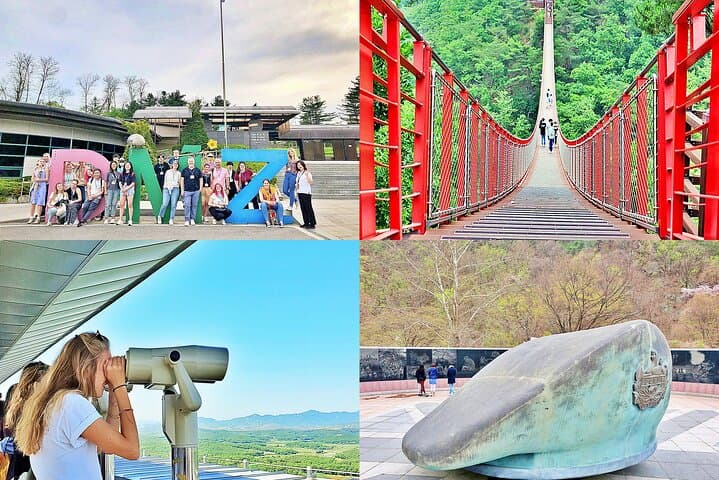
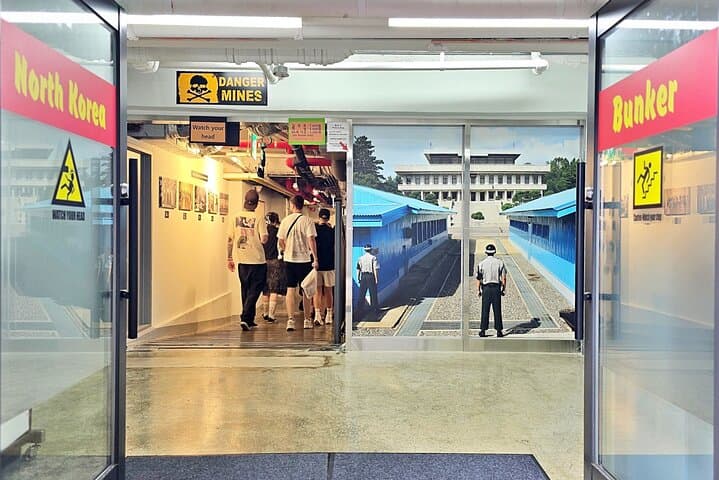
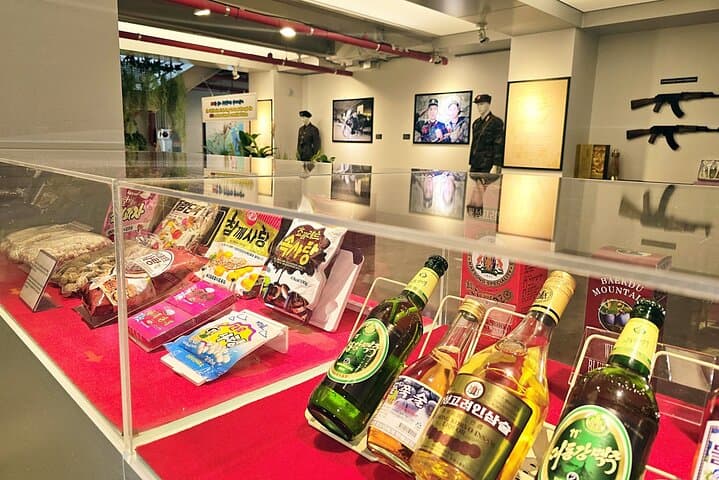
The tour stitches together modern museums and Cold War relics: the North Korea Experience Hall presents testimonies and artifacts; the DMZ Theater and Exhibition Hall layers archival footage over the stark reality at Dora Observatory, where telescopes track Kijŏng-dong’s distant flagpole. The Third Tunnel, discovered in 1978, forces visitors to confront the engineering of conflict—narrow, low-ceilinged and excavated with intent.
Geology here is simple but revealing: rolling, eroded hills and river terraces shaped post-glacially, with the Imjin River daring the boundary lines as it cuts north-south. Culturally the corridor is a patchwork—soldier memorials, refugee monuments, and villages like the Unification Village that embody hopes and limits of reconciliation.
Practically, expect 7–8 hours on a guided circuit with periods of standing, short walks and a descent into the tunnel. Security protocols and military access govern access—sites may close without notice; alternate stops like Odusan Observatory or the DMZ Peace Gondola are used when needed. Dress in layered, weatherproof clothing, carry ID (passport required), and leave large bags on the coach: pockets of silence and strict rules are part of the experience. The tour is a study in contrast—grim history, vigilant landscape, and the persistent human push toward understanding and peace.
moderate.
7–8 hours.
Moderate fitness required: short walks, stairs, and standing for extended periods; some sections require walking on uneven ground or slight slopes.
Dorasan Station is temporarily closed for passenger service; some tours pass by it for photo stops, but access can be restricted by military policy.
The standard guided tour runs approximately 7.5 hours (450 minutes) including transfers, stops, and time at each attraction.
Yes—children are allowed but must be accompanied by an adult and follow safety and security instructions at all stops.
If access is restricted due to military operations or weather, the itinerary will be adjusted to alternate sites such as Odusan Observatory, the DMZ Peace Gondola, or the War Memorial.
The DMZ marks the armistice line from the 1950–53 Korean War; many sites preserve both military artifacts and refugee memorials that reflect the peninsula’s division.
The restricted zone functions as an accidental wildlife refuge—visitors should minimize disturbance, stay on designated paths, and avoid leaving waste behind.
Seoul N Tour operates guided outdoor trips and adventures with an emphasis on safety, stewardship, and memorable experiences.
You step off the coach into a wind that seems to carry history—cold, precise, and unforgiving. Imjingak’s open plaza stretches out with the Freedom Bridge and battered locomotives staring toward the north; beyond them, the Demilitarized Zone holds a quiet that feels intentional, like a held breath.
You step off the coach into a wind that seems to carry history—cold, precise, and unforgiving. Imjingak’s open plaza stretches out with the Freedom Bridge and battered locomotives staring toward the north; beyond them, the Demilitarized Zone holds a quiet that feels intentional, like a held breath.
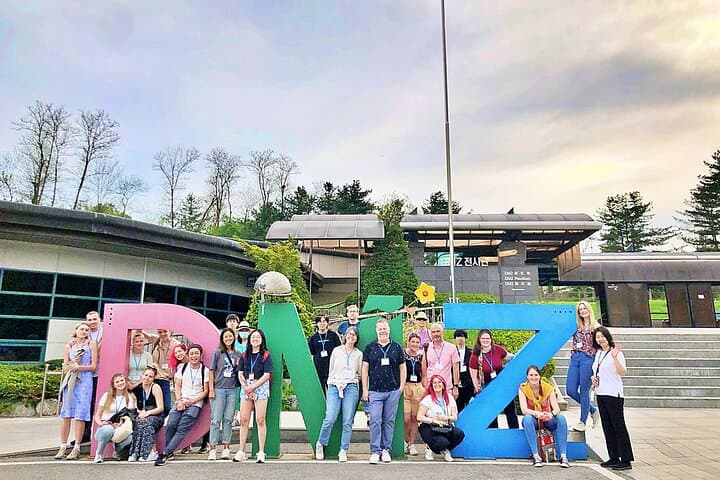
The tour stitches together modern museums and Cold War relics: the North Korea Experience Hall presents testimonies and artifacts; the DMZ Theater and Exhibition Hall layers archival footage over the stark reality at Dora Observatory, where telescopes track Kijŏng-dong’s distant flagpole. The Third Tunnel, discovered in 1978, forces visitors to confront the engineering of conflict—narrow, low-ceilinged and excavated with intent.
Geology here is simple but revealing: rolling, eroded hills and river terraces shaped post-glacially, with the Imjin River daring the boundary lines as it cuts north-south. Culturally the corridor is a patchwork—soldier memorials, refugee monuments, and villages like the Unification Village that embody hopes and limits of reconciliation.
Practically, expect 7–8 hours on a guided circuit with periods of standing, short walks and a descent into the tunnel. Security protocols and military access govern access—sites may close without notice; alternate stops like Odusan Observatory or the DMZ Peace Gondola are used when needed. Dress in layered, weatherproof clothing, carry ID (passport required), and leave large bags on the coach: pockets of silence and strict rules are part of the experience. The tour is a study in contrast—grim history, vigilant landscape, and the persistent human push toward understanding and peace.