THE ADVENTURE COLLECTIVE® · Independent discovery and booking for outdoor travel

Take an eight-hour, front-row look at Korea’s divided past: Imjingak Park, the 3rd Tunnel, Dora Observatory and an optional suspension bridge and gondola. This tour blends frontline history, close-up views of North Korea, and scenic crossings along the Imjin River.
Take an eight-hour, front-row look at Korea’s divided past: Imjingak Park, the 3rd Tunnel, Dora Observatory and an optional suspension bridge and gondola. This tour blends frontline history, close-up views of North Korea, and scenic crossings along the Imjin River.
You step off the bus and the air changes — colder, quieter, edged with pine and the metallic tang of distant river water. Gravel crunches underfoot at Imjingak Park, where a weathered bell and a bullet-pocked locomotive set the tone: this is a landscape still holding the imprint of conflict and divided lives.
Verified experiences and guided adventures in the surrounding area.
Operated by VIP TRAVEL Co.Ltd · Paju, Gyeonggi-do
You step off the bus and the air changes — colder, quieter, edged with pine and the metallic tang of distant river water. Gravel crunches underfoot at Imjingak Park, where a weathered bell and a bullet-pocked locomotive set the tone: this is a landscape still holding the imprint of conflict and divided lives.
The DMZ is a 4 km-wide strip left by the 1953 armistice. On this full-day tour from Seoul you move through layers of history: wartime relics at Jangdan Station, the Bridge of Freedom over the Imjin River, and the stark engineering of the 1,635 m Third Tunnel, unearthed in 1978 as a covert infiltration route. Geology here is quietly simple — rolling low hills carved by rivers and human lines — but it frames a powerful cultural story: families separated, propaganda villages visible across fields, and memorials where incense and ribbons mark ongoing hope.
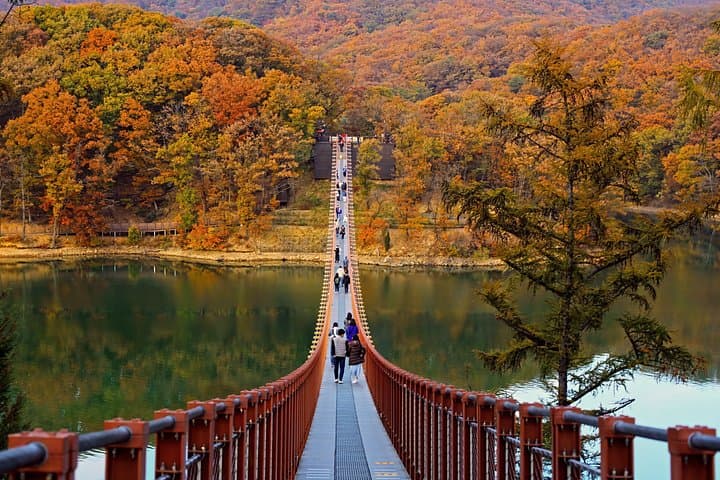
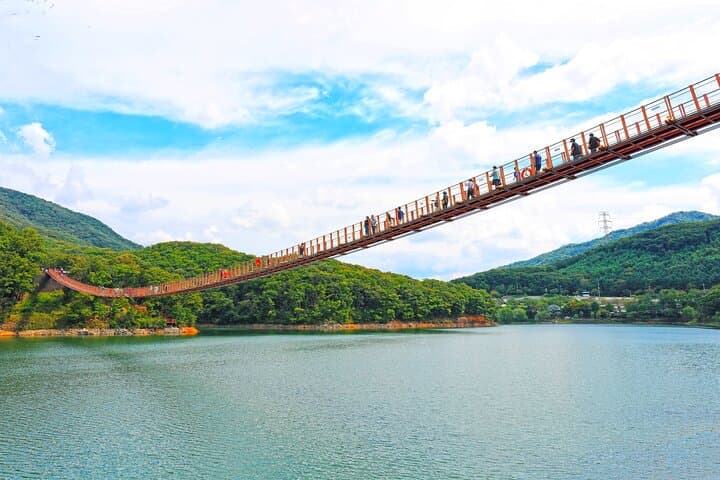
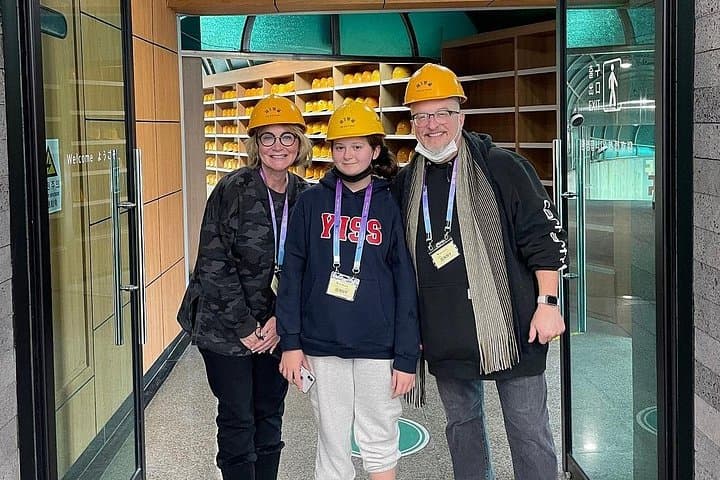
Practicalities are straightforward. The itinerary runs about eight hours; bring your passport and expect a military checkpoint with ID checks. Wear sturdy shoes for short hikes and stairs into the tunnel; the observatory delivers binocular views of Kijong-dong and Kaesong when skies are clear. Optional extras — the Paju gondola over the Imjin and the Majang Reservoir suspension bridge (262 m, 25 m high) — add scenic payoff.
Respect restrictions: follow your guide, minimize photography in controlled areas, and carry layers — winds at Dora Observatory bite even on warm days. The trip balances quiet reflection with sharp historical perspective, a day that leaves both images and questions lingering long after you return to Seoul.
easy.
8 hours.
Suitable for most fitness levels; expect short walks, stairs into the tunnel, and standing at observatories.
Yes — you must present a passport, ARC, or military ID at the checkpoint; keep it accessible during the trip.
No — the tour provides observation points like Dora Observatory for viewing the North from the South; crossing into North Korea is not part of this itinerary.
There are stairs and narrow sections; infants in strollers are not taken into the tunnel and those with mobility limitations may prefer to remain above ground.
The itinerary includes a village stop (Tongilchon) with local snacks and a final restroom break; bring water and snacks for personal comfort during travel segments.
The DMZ was established by the 1953 armistice and has since become a focal point of Korean division; sites like the Bridge of Freedom and the Third Tunnel tell stories of wartime separation and prisoner repatriation.
Restricted access has unintentionally created a wildlife refuge; visitors should stay on trails, follow guide instructions, and avoid disturbing habitats to help preserve this fragile ecosystem.
VIP TRAVEL Co.Ltd operates guided outdoor trips and adventures with an emphasis on safety, stewardship, and memorable experiences.

You step off the bus and the air changes — colder, quieter, edged with pine and the metallic tang of distant river water. Gravel crunches underfoot at Imjingak Park, where a weathered bell and a bullet-pocked locomotive set the tone: this is a landscape still holding the imprint of conflict and divided lives.
You step off the bus and the air changes — colder, quieter, edged with pine and the metallic tang of distant river water. Gravel crunches underfoot at Imjingak Park, where a weathered bell and a bullet-pocked locomotive set the tone: this is a landscape still holding the imprint of conflict and divided lives.
The DMZ is a 4 km-wide strip left by the 1953 armistice. On this full-day tour from Seoul you move through layers of history: wartime relics at Jangdan Station, the Bridge of Freedom over the Imjin River, and the stark engineering of the 1,635 m Third Tunnel, unearthed in 1978 as a covert infiltration route. Geology here is quietly simple — rolling low hills carved by rivers and human lines — but it frames a powerful cultural story: families separated, propaganda villages visible across fields, and memorials where incense and ribbons mark ongoing hope.
Practicalities are straightforward. The itinerary runs about eight hours; bring your passport and expect a military checkpoint with ID checks. Wear sturdy shoes for short hikes and stairs into the tunnel; the observatory delivers binocular views of Kijong-dong and Kaesong when skies are clear. Optional extras — the Paju gondola over the Imjin and the Majang Reservoir suspension bridge (262 m, 25 m high) — add scenic payoff.
Respect restrictions: follow your guide, minimize photography in controlled areas, and carry layers — winds at Dora Observatory bite even on warm days. The trip balances quiet reflection with sharp historical perspective, a day that leaves both images and questions lingering long after you return to Seoul.