THE ADVENTURE COLLECTIVE® · Independent discovery and booking for outdoor travel

Stand at Korea’s divided edge on a 5.5-hour DMZ tour that visits Imjingak, the Third Tunnel, Dora Observatory and the Gamaksan Red Bridge. Expect close-up history, tight tunnel passages, and panoramic views into North Korea.
Stand at Korea’s divided edge on a 5.5-hour DMZ tour that visits Imjingak, the Third Tunnel, Dora Observatory and the Gamaksan Red Bridge. Expect close-up history, tight tunnel passages, and panoramic views into North Korea.
Morning light scours the pines along the Imjin River as the tour coach slips out of Seoul and toward a landscape where history and nature press close together. Travelers arrive at Imjingak Park first, the air carrying the faint clink of prayers tied to railings and the metallic echo of the Freedom Train — visual cues that signal the peninsula’s division.
Verified experiences and guided adventures in the surrounding area.
Operated by VIP TRAVEL Co.Ltd · Paju, Gyeonggi-do
Morning light scours the pines along the Imjin River as the tour coach slips out of Seoul and toward a landscape where history and nature press close together. Travelers arrive at Imjingak Park first, the air carrying the faint clink of prayers tied to railings and the metallic echo of the Freedom Train — visual cues that signal the peninsula’s division.
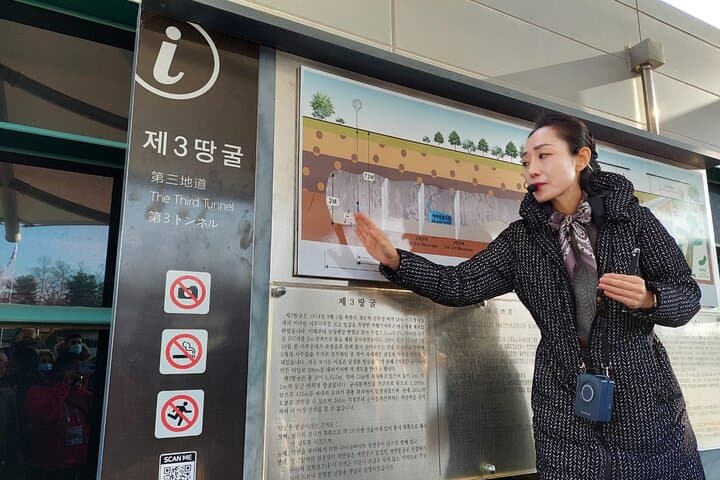
The route threads through Cold War relics and recent installations. At the DMZ Theater and Exhibition Hall, exhibits frame the 1950–53 Korean War and its ongoing political geometry; the Third Tunnel of Aggression offers a visceral, claustrophobic reminder of covert military planning. Dora Observatory presents the most literal view across the line: binoculars focused on Kijong-dong and the distant roofs of Kaesong. Geologically, the low rolling hills and river valleys here shaped historical movement and strategic lines; the Imjin River still dares visitors to imagine borders as currents rather than lines on a map.
Culturally, the stops — Mangbaedan Memorial and the Peace Bell — place private loss and public hope in the same frame, while nearby Jangdan farms produce regional specialties like soybean ice cream.
Practical guidance: bring your passport and arrive 10–15 minutes early to meeting points in central Seoul. Expect light walking, some stairs and damp tunnels; comfortable shoes and a midlayer are wise year-round. Photography is allowed at most outdoor sites but restricted inside certain military areas — follow your guide. Hydrate on the coach and plan for a 5–6 hour round trip with drop-off in central Seoul for easy evening plans.
easy.
5–6 hours.
Suitable for most travelers who can stand and walk short distances and navigate stairs; not recommended for severe claustrophobia.
Yes. A passport or approved ID (military ID or locally issued ARC) is required for entry and must be carried on tour day.
The tunnel is narrow and dim; guests with claustrophobia may remain near the exit or wait at surface areas instead.
Photography is permitted at most outdoor sites but restricted in some military-controlled areas; follow guide instructions and posted signs.
Yes. Hotel pickup is offered from downtown locations and main subway stations—confirm your pick-up point when booking.
The DMZ was established by the 1953 armistice and has remained a heavily controlled strip about 4 km wide that froze a Cold War frontier into the modern landscape.
Restricted human access has made parts of the DMZ an accidental nature preserve; visitors should stay on designated routes and pack out waste to protect sensitive habitats.
VIP TRAVEL Co.Ltd operates guided outdoor trips and adventures with an emphasis on safety, stewardship, and memorable experiences.

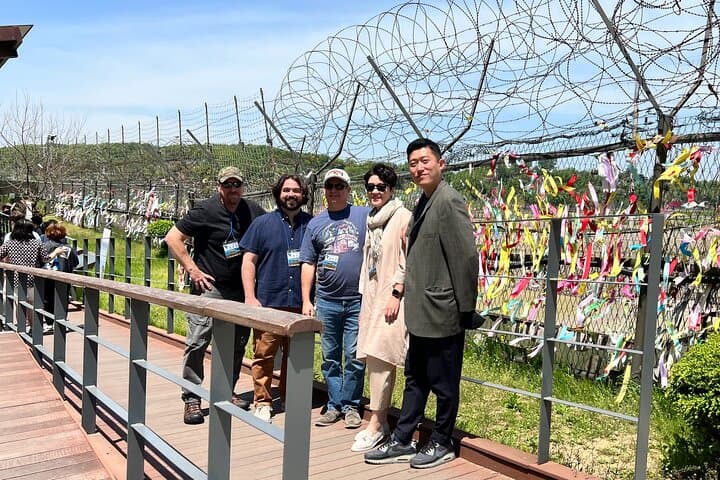

Morning light scours the pines along the Imjin River as the tour coach slips out of Seoul and toward a landscape where history and nature press close together. Travelers arrive at Imjingak Park first, the air carrying the faint clink of prayers tied to railings and the metallic echo of the Freedom Train — visual cues that signal the peninsula’s division.
Morning light scours the pines along the Imjin River as the tour coach slips out of Seoul and toward a landscape where history and nature press close together. Travelers arrive at Imjingak Park first, the air carrying the faint clink of prayers tied to railings and the metallic echo of the Freedom Train — visual cues that signal the peninsula’s division.
The route threads through Cold War relics and recent installations. At the DMZ Theater and Exhibition Hall, exhibits frame the 1950–53 Korean War and its ongoing political geometry; the Third Tunnel of Aggression offers a visceral, claustrophobic reminder of covert military planning. Dora Observatory presents the most literal view across the line: binoculars focused on Kijong-dong and the distant roofs of Kaesong. Geologically, the low rolling hills and river valleys here shaped historical movement and strategic lines; the Imjin River still dares visitors to imagine borders as currents rather than lines on a map.
Culturally, the stops — Mangbaedan Memorial and the Peace Bell — place private loss and public hope in the same frame, while nearby Jangdan farms produce regional specialties like soybean ice cream.
Practical guidance: bring your passport and arrive 10–15 minutes early to meeting points in central Seoul. Expect light walking, some stairs and damp tunnels; comfortable shoes and a midlayer are wise year-round. Photography is allowed at most outdoor sites but restricted inside certain military areas — follow your guide. Hydrate on the coach and plan for a 5–6 hour round trip with drop-off in central Seoul for easy evening plans.