THE ADVENTURE COLLECTIVE® · Independent discovery and booking for outdoor travel

Get a rare, small-group introduction to the Korean Demilitarized Zone guided in part by a North Korean defector. This 7–8 hour tour combines historical sites, the 3rd Infiltration Tunnel, and Dora Observatory for first-hand context and striking views.
Get a rare, small-group introduction to the Korean Demilitarized Zone guided in part by a North Korean defector. This 7–8 hour tour combines historical sites, the 3rd Infiltration Tunnel, and Dora Observatory for first-hand context and striking views.
You step off the air-conditioned van into a wind that moves like a question — brisk, direct, unable to hide the line it skirts. At Imjingak Pyeonghwa-Nuri Park, the Freedom Bridge waits as a quiet marker of crossings past; across the valley the border holds its stillness like a paused breath.
Verified experiences and guided adventures in the surrounding area.
Operated by Sunny Seoul Korea Tour · Paju, Gyeonggi-do
You step off the air-conditioned van into a wind that moves like a question — brisk, direct, unable to hide the line it skirts. At Imjingak Pyeonghwa-Nuri Park, the Freedom Bridge waits as a quiet marker of crossings past; across the valley the border holds its stillness like a paused breath.
The DMZ is both recent and ancient in its impressions: a 4 km buffer born of the 1953 armistice that carved a political scar through Korea. Decades of restricted human access turned this scar into an accidental ecological preserve; forests and wetlands reclaimed ground once set for conflict. Culturally, the zone is a locus of memory — memorials, the Peace Bell, and exhibition halls that frame personal stories, including rare first-hand accounts from North Korean defectors who can explain daily life and elite institutions from the other side.
Your tour moves with history and hardware: Imjingak’s displays, the North Korea Experience Hall’s firsthand Q&A, the cool 1.6 km descent into the 3rd Infiltration Tunnel, and the binocular vista at Dora Observatory where North Korean farms and the propaganda village of Kijong-dong come into view.
Practical guidance: the full program runs about 7–8 hours; bring a valid passport every day, comfortable walking shoes, weather layers, and snacks for energy. Photography rules vary — follow your guide and signs. Expect periods of walking on paved paths, stairs into the tunnel, and short outdoor waits for views and bridge crossings. The tour is immersive but measured: emotional, informative, and focused on safe, respectful access to a heavily regulated landscape.
moderate.
7–8 hours.
Moderate fitness is needed: you’ll be standing, walking short distances, and descending stairs into the tunnel.
Yes — a current valid passport is required on the day of travel for security checks and access to DMZ sites.
Yes — visits are tightly controlled by licensed guides and checkpoints; follow instructions and security protocols provided by the tour operator.
Travelers should have moderate fitness; the tour involves walking, stairs, and a 1.6 km tunnel descent (steep, low-ceiling sections), so it’s not ideal for those with serious mobility or heart conditions.
From Dora Observatory you can view North Korean villages and fields through binoculars on clear days, though visibility varies with weather and permissions.
The DMZ was established by the 1953 armistice as a 4 km buffer centered on the Military Demarcation Line; restricted human access since then has preserved significant wartime relics and created conservation value.
The DMZ functions as an unintended wildlife sanctuary; visitors should stay on designated paths, follow guide instructions, and avoid disturbing habitats to minimize impact.
Sunny Seoul Korea Tour operates guided outdoor trips and adventures with an emphasis on safety, stewardship, and memorable experiences.
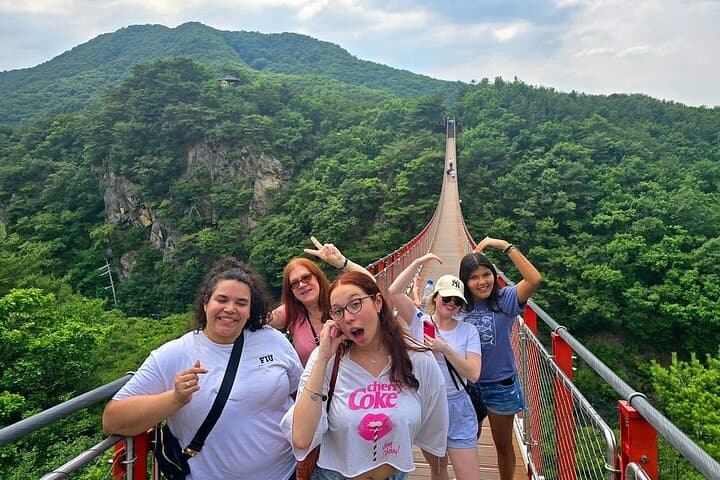
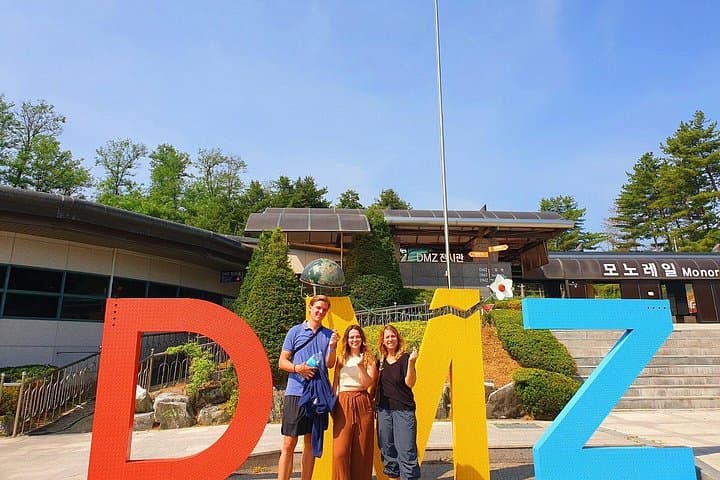
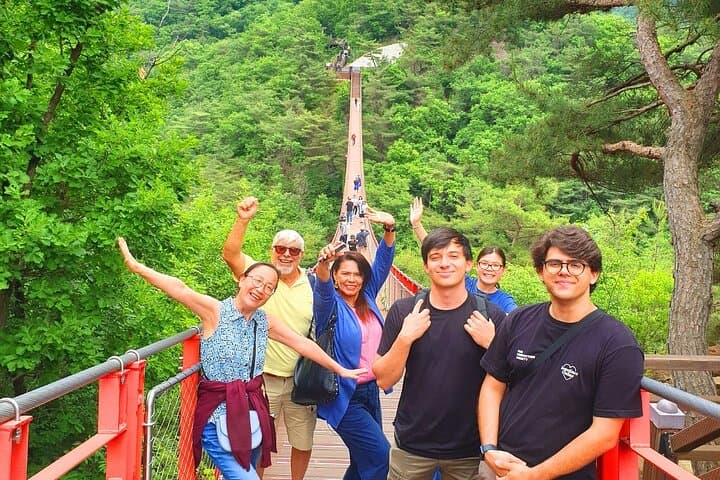
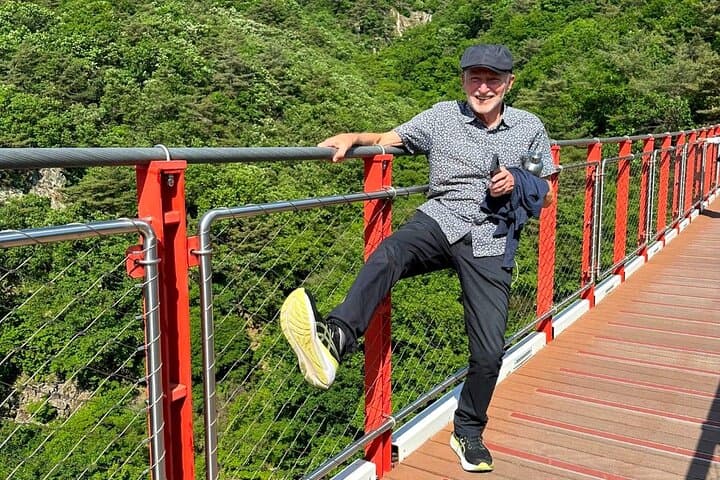
You step off the air-conditioned van into a wind that moves like a question — brisk, direct, unable to hide the line it skirts. At Imjingak Pyeonghwa-Nuri Park, the Freedom Bridge waits as a quiet marker of crossings past; across the valley the border holds its stillness like a paused breath.
You step off the air-conditioned van into a wind that moves like a question — brisk, direct, unable to hide the line it skirts. At Imjingak Pyeonghwa-Nuri Park, the Freedom Bridge waits as a quiet marker of crossings past; across the valley the border holds its stillness like a paused breath.
The DMZ is both recent and ancient in its impressions: a 4 km buffer born of the 1953 armistice that carved a political scar through Korea. Decades of restricted human access turned this scar into an accidental ecological preserve; forests and wetlands reclaimed ground once set for conflict. Culturally, the zone is a locus of memory — memorials, the Peace Bell, and exhibition halls that frame personal stories, including rare first-hand accounts from North Korean defectors who can explain daily life and elite institutions from the other side.
Your tour moves with history and hardware: Imjingak’s displays, the North Korea Experience Hall’s firsthand Q&A, the cool 1.6 km descent into the 3rd Infiltration Tunnel, and the binocular vista at Dora Observatory where North Korean farms and the propaganda village of Kijong-dong come into view.
Practical guidance: the full program runs about 7–8 hours; bring a valid passport every day, comfortable walking shoes, weather layers, and snacks for energy. Photography rules vary — follow your guide and signs. Expect periods of walking on paved paths, stairs into the tunnel, and short outdoor waits for views and bridge crossings. The tour is immersive but measured: emotional, informative, and focused on safe, respectful access to a heavily regulated landscape.