THE ADVENTURE COLLECTIVE® · Independent discovery and booking for outdoor travel

Explore the tense, historic edge of the Korean Peninsula on a private DMZ tour that includes Imjingak Park, the Third Tunnel and Dora Observatory. This guided day trip blends frontline history with practical logistics—expect security checks, short walks and powerful viewpoints of North Korea.
Explore the tense, historic edge of the Korean Peninsula on a private DMZ tour that includes Imjingak Park, the Third Tunnel and Dora Observatory. This guided day trip blends frontline history with practical logistics—expect security checks, short walks and powerful viewpoints of North Korea.
You step off an air-conditioned minivan into a brisk river plain where concrete memorials and barbed wire frame a landscape that still measures history in kilometers and checkpoints. Morning light skims the Imjingak lawns; the Freedom Bridge sits quiet, its rusted rails a reminder that families once crossed here hoping to return. The air tastes faintly of river and diesel as your guide leads you toward the third infiltration tunnel and the monorail that shortens a dark, engineered corridor dug to move troops.
Verified experiences and guided adventures in the surrounding area.
Operated by Korea Season Tour · Paju, Gyeonggi-do
You step off an air-conditioned minivan into a brisk river plain where concrete memorials and barbed wire frame a landscape that still measures history in kilometers and checkpoints. Morning light skims the Imjingak lawns; the Freedom Bridge sits quiet, its rusted rails a reminder that families once crossed here hoping to return. The air tastes faintly of river and diesel as your guide leads you toward the third infiltration tunnel and the monorail that shortens a dark, engineered corridor dug to move troops.
This corridor of sites—Imjingak Park, the Dokgae bridge ruins, the underground bunker, Dora Observatory and the unification village—maps the Cold War scars and local responses. Geologically, the low rolling plains here give way to low hills that historically funneled troop movements; soils are alluvial and the Han River tributaries shape the floodplain. Culturally, Imjingak’s Mangbaeddan altar is where separated families leave offerings during Chuseok and Lunar New Year, a living ritual threaded into the park’s memorial architecture.
Practical guidance: carry your passport and expect ID checks, wear sturdy shoes for uneven concrete and the tunnel walk, and bring layered clothing—winds off the river can cut through thin jackets. The tour moves at a steady pace with short walks between sites and includes admission fees; photography rules vary at each checkpoint, so follow your guide. For timing, aim for a morning departure to maximize light at Dora Observatory and avoid the late-afternoon security bustle. This is a private, historically focused day in a politically sensitive border zone—respect the rules, keep questions measured, and let the landscape’s quiet history do the talking.
moderate.
6–7 hours.
Light to moderate fitness required—able to walk short distances, stand at viewpoints, and navigate stairs and a tunnel.
Yes. All visitors must present valid government-issued ID or passport for DMZ entry and security checks.
The tunnel involves steps and a short, steep descent—most people with average mobility can manage it but it is not stroller-accessible.
Yes, you can photograph the view from the observatory but obey any restrictions posted by guides; zoomed-in shots of military installations may be prohibited.
Infants and small children can ride in strollers; however, tours note they are not recommended for pregnant travelers or those with serious heart or spinal conditions due to security procedures and brief walking.
The DMZ area marks the 1953 armistice line; sites like Freedom Bridge and Imjingak tell stories of displaced families and prisoner repatriations during and after the Korean War.
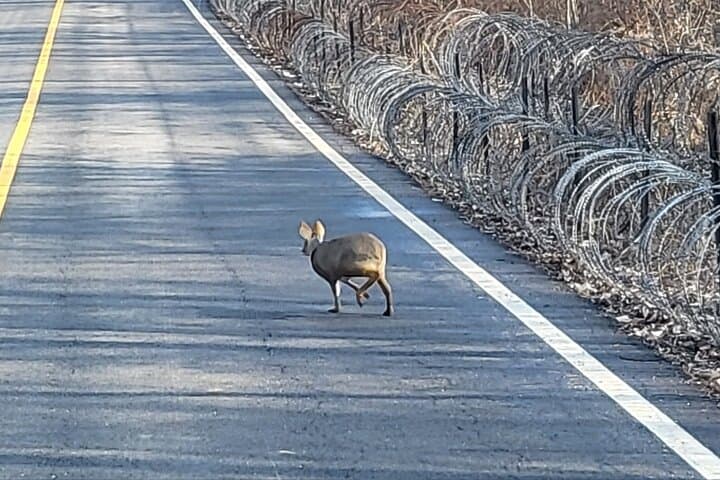
Strict access controls limit development inside the DMZ, unintentionally creating refuges for wildlife; visitors should stick to paths and follow guide instructions to minimize disturbance.
Korea Season Tour operates guided outdoor trips and adventures with an emphasis on safety, stewardship, and memorable experiences.
You step off an air-conditioned minivan into a brisk river plain where concrete memorials and barbed wire frame a landscape that still measures history in kilometers and checkpoints. Morning light skims the Imjingak lawns; the Freedom Bridge sits quiet, its rusted rails a reminder that families once crossed here hoping to return. The air tastes faintly of river and diesel as your guide leads you toward the third infiltration tunnel and the monorail that shortens a dark, engineered corridor dug to move troops.
You step off an air-conditioned minivan into a brisk river plain where concrete memorials and barbed wire frame a landscape that still measures history in kilometers and checkpoints. Morning light skims the Imjingak lawns; the Freedom Bridge sits quiet, its rusted rails a reminder that families once crossed here hoping to return. The air tastes faintly of river and diesel as your guide leads you toward the third infiltration tunnel and the monorail that shortens a dark, engineered corridor dug to move troops.
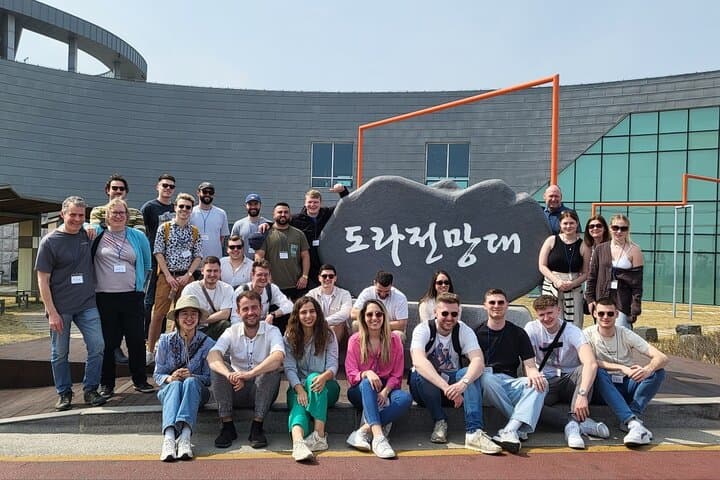
This corridor of sites—Imjingak Park, the Dokgae bridge ruins, the underground bunker, Dora Observatory and the unification village—maps the Cold War scars and local responses. Geologically, the low rolling plains here give way to low hills that historically funneled troop movements; soils are alluvial and the Han River tributaries shape the floodplain. Culturally, Imjingak’s Mangbaeddan altar is where separated families leave offerings during Chuseok and Lunar New Year, a living ritual threaded into the park’s memorial architecture.
Practical guidance: carry your passport and expect ID checks, wear sturdy shoes for uneven concrete and the tunnel walk, and bring layered clothing—winds off the river can cut through thin jackets. The tour moves at a steady pace with short walks between sites and includes admission fees; photography rules vary at each checkpoint, so follow your guide. For timing, aim for a morning departure to maximize light at Dora Observatory and avoid the late-afternoon security bustle. This is a private, historically focused day in a politically sensitive border zone—respect the rules, keep questions measured, and let the landscape’s quiet history do the talking.