THE ADVENTURE COLLECTIVE® · Independent discovery and booking for outdoor travel

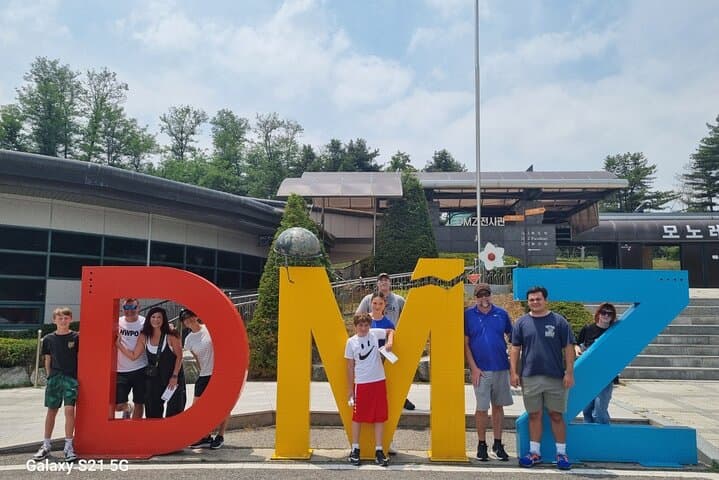
Travel north from Seoul to the DMZ for a private, guided look at Imjingak Park, the 3rd Tunnel and Dora Observatory. This 6–7 hour tour combines hands-on history, controlled observation points, and easy walking with strict security procedures.
Travel north from Seoul to the DMZ for a private, guided look at Imjingak Park, the 3rd Tunnel and Dora Observatory. This 6–7 hour tour combines hands-on history, controlled observation points, and easy walking with strict security procedures.
The morning drive north from central Seoul eases from glass-and-steel avenues into tight rice paddies and low hills, the bus rolling toward a perimeter where history and landscape meet in sharp contrast. Imjingak Park opens the tour with the Freedom Bridge and memorials that face the Imjin River — a physical edge that feels like it is quietly watching both sides.
Verified experiences and guided adventures in the surrounding area.
Operated by Korea Season Tour · Paju, Gyeonggi-do
The morning drive north from central Seoul eases from glass-and-steel avenues into tight rice paddies and low hills, the bus rolling toward a perimeter where history and landscape meet in sharp contrast. Imjingak Park opens the tour with the Freedom Bridge and memorials that face the Imjin River — a physical edge that feels like it is quietly watching both sides.
The DMZ itself was carved out by the 1953 armistice; the strip of land and its control posts are modern political artifacts layered on older terrain of river terraces and low ridgelines. Geology here is simple — low alluvial plains and river cutbanks — but the cultural and military history is dense: repatriation routes, observation posts, and the tunnels discovered in the 1970s that reveal Cold War engineering and intent.
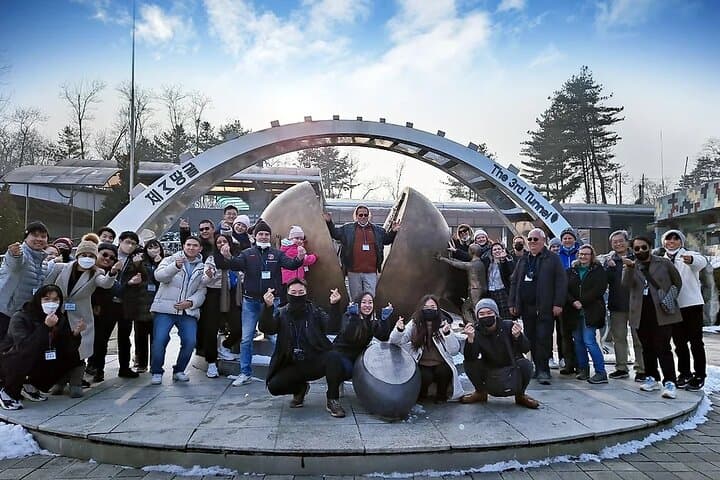
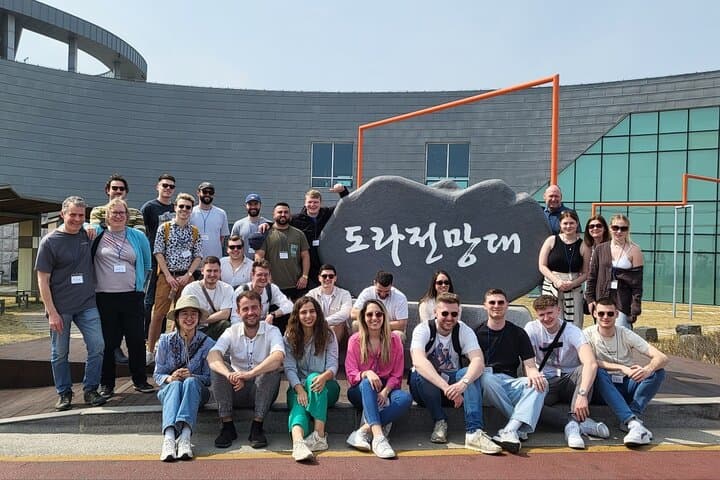
You’ll descend into the 3rd Tunnel, a narrow man-made vein where documentary panels explain tunnel construction and strategic calculations. At Dora Observatory a pair of binoculars bring North Korean factory buildings and village roofs into crisp, human scale; the border feels distant yet present.
Practically: the tour runs about 6–7 hours including hotel pickup, passport checks on the Tongil Bridge, and guided stops. Expect some stairs, tight spaces in the tunnel, and strict photography rules at checkpoints. Dress conservatively, bring your passport and comfortable shoes, and plan for traffic delays returning to Seoul. The experience is equal parts outdoor movement and historical interpretation — organized, regulated, and emotionally direct.
easy.
6–7 hours.
Suitable for most travelers: light walking, standing and some stair negotiation required; not strenuous.
Yes — your original passport (the same one used for booking) is required for multiple identity checks and to board the authorized DMZ bus.
Photography is allowed in many areas like Imjingak and Dora Observatory but is restricted at military checkpoints and some facilities; always follow your guide and posted signs.
Children can join but must sit on laps if infants; those with significant mobility issues may find tunnel access and stairs challenging — consult the operator beforehand.
Full refund is available if you cancel at least 24 hours before the scheduled departure; same-day cancellations are not refundable.
The Korean Demilitarized Zone was created by the 1953 armistice and separates the two Koreas; the area contains battle memorials, repatriation routes and tunnels dug by the North.
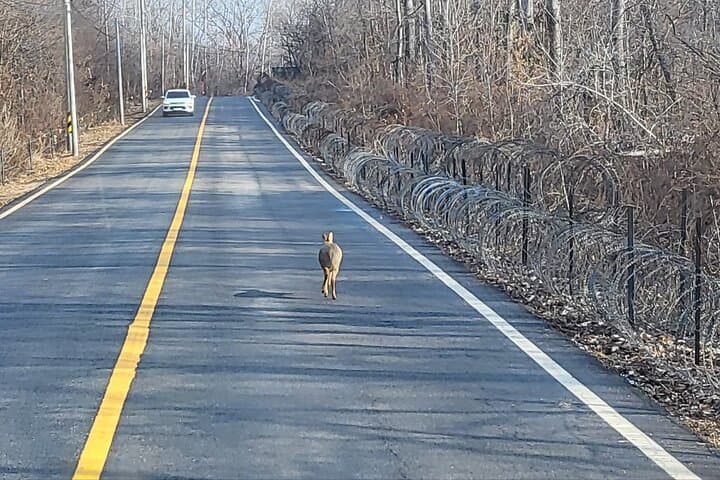
Restricted human access inside the DMZ has unintentionally created important habitat for birds and rare plants; tours are tightly regulated to minimize disturbance and preserve both history and ecology.
Korea Season Tour operates guided outdoor trips and adventures with an emphasis on safety, stewardship, and memorable experiences.
The morning drive north from central Seoul eases from glass-and-steel avenues into tight rice paddies and low hills, the bus rolling toward a perimeter where history and landscape meet in sharp contrast. Imjingak Park opens the tour with the Freedom Bridge and memorials that face the Imjin River — a physical edge that feels like it is quietly watching both sides.
The morning drive north from central Seoul eases from glass-and-steel avenues into tight rice paddies and low hills, the bus rolling toward a perimeter where history and landscape meet in sharp contrast. Imjingak Park opens the tour with the Freedom Bridge and memorials that face the Imjin River — a physical edge that feels like it is quietly watching both sides.
The DMZ itself was carved out by the 1953 armistice; the strip of land and its control posts are modern political artifacts layered on older terrain of river terraces and low ridgelines. Geology here is simple — low alluvial plains and river cutbanks — but the cultural and military history is dense: repatriation routes, observation posts, and the tunnels discovered in the 1970s that reveal Cold War engineering and intent.
You’ll descend into the 3rd Tunnel, a narrow man-made vein where documentary panels explain tunnel construction and strategic calculations. At Dora Observatory a pair of binoculars bring North Korean factory buildings and village roofs into crisp, human scale; the border feels distant yet present.
Practically: the tour runs about 6–7 hours including hotel pickup, passport checks on the Tongil Bridge, and guided stops. Expect some stairs, tight spaces in the tunnel, and strict photography rules at checkpoints. Dress conservatively, bring your passport and comfortable shoes, and plan for traffic delays returning to Seoul. The experience is equal parts outdoor movement and historical interpretation — organized, regulated, and emotionally direct.