THE ADVENTURE COLLECTIVE® · Independent discovery and booking for outdoor travel

A single-day private tour from Hue that threads wartime sites—Khe Sanh, Vinh Moc Tunnels and the 17th Parallel—into a compact, on-the-ground history lesson. Perfect for travelers who want direct context, short walks, and clear practical logistics for a full day of exploration.
A single-day private tour from Hue that threads wartime sites—Khe Sanh, Vinh Moc Tunnels and the 17th Parallel—into a compact, on-the-ground history lesson. Perfect for travelers who want direct context, short walks, and clear practical logistics for a full day of exploration.
You step into a landscape where road, river and ridge still mark the fault lines of modern Vietnamese history. Early light slides across Route 9; scrubby hills and paddy edges give way to concrete memorials and the bare earth of former military positions. The day moves with purpose—Rockpile, traces of the Ho Chi Minh Trail, Khe Sanh’s compound—and then the subterranean world of Vinh Moc, where families lived in tunnels to evade bombardment.
Verified experiences and guided adventures in the surrounding area.
Operated by Adventures Travel Vietnam · Quảng Trị, Quảng Trị Province
You step into a landscape where road, river and ridge still mark the fault lines of modern Vietnamese history. Early light slides across Route 9; scrubby hills and paddy edges give way to concrete memorials and the bare earth of former military positions. The day moves with purpose—Rockpile, traces of the Ho Chi Minh Trail, Khe Sanh’s compound—and then the subterranean world of Vinh Moc, where families lived in tunnels to evade bombardment.
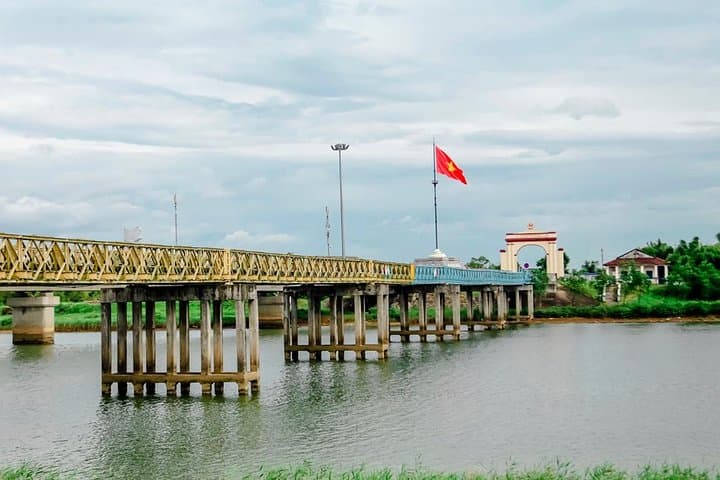
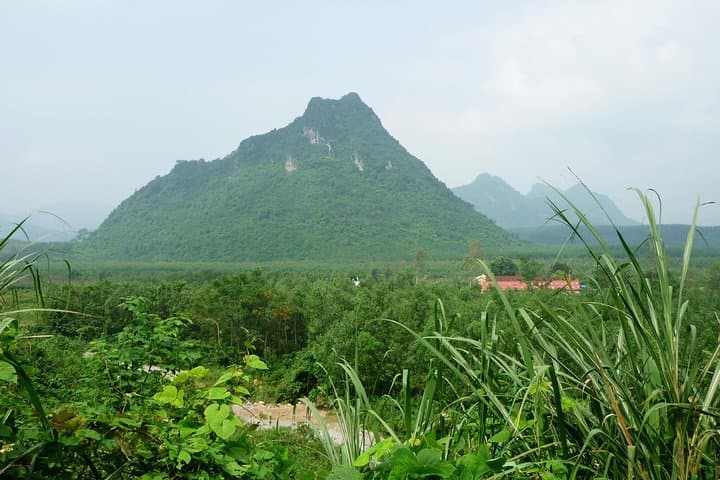
This corridor sits between the Annamite Range and the South China Sea, a zone shaped by coastal plains, river channels and wartime engineering. The 17th Parallel—less a strict line than a marker along Ben Hai River and Hien Luong Bridge—frames decisions that remade communities and landscapes through the 20th century.
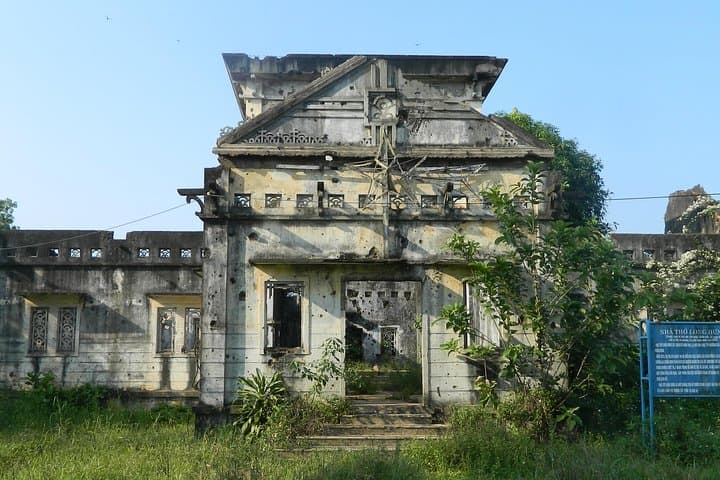
Expect living history: museums with uniformed displays, simple local restaurants serving rice and grilled fish, and village sights that reveal civilian resilience. Geology here is less dramatic than the mountains to the west; instead you’ll notice river sediments, reclaimed farmland and the scars of conflict in bunkers and bomb craters.
Practical guide: this private full-day tour from Hue typically runs 7–9 hours by air-conditioned vehicle with modest walking at each stop. Carry a photocopy of your passport, wear sturdy shoes for uneven tunnels and memorial steps, and bring a refillable water bottle and sunscreen—the midday sun is strong. Photography is allowed at most sites, but maintain decorum at memorials. If you want deeper context, read a concise history of the Vietnam War beforehand; the local guides bring first-hand oral history and site-specific detail that connects map points to lived experience.
moderate.
7–9 hours.
Suitable for travelers with moderate fitness; involves multiple short walks, some steps and a 22-meter tunnel section at Vinh Moc that may be low and narrow.
Yes—carry your passport and a photocopy; guides may check ID and some museums request identification for records.
The tunnel system includes low, narrow passages and stairs; people with limited mobility may find parts challenging, but a short, managed route is included on many tours.
This private tour typically includes lunch at a local restaurant with simple Vietnamese dishes; bring snacks if you have dietary restrictions and inform the operator in advance.
Families can join, but note the long vehicle time and confined tunnel spaces—young children should be supervised and may tire quickly.
The DMZ marked the administrative boundary after the 1954 Geneva Accords; during the Vietnam War the area saw major combat operations, logistics corridors and extensive tunnel systems used by civilians and fighters.
Visitors should avoid disturbing memorial sites and local farmland; remnants of wartime ordnance still exist in parts of the region, so stay on marked paths and heed guide instructions to minimize environmental and safety impacts.
Adventures Travel Vietnam operates guided outdoor trips and adventures with an emphasis on safety, stewardship, and memorable experiences.
You step into a landscape where road, river and ridge still mark the fault lines of modern Vietnamese history. Early light slides across Route 9; scrubby hills and paddy edges give way to concrete memorials and the bare earth of former military positions. The day moves with purpose—Rockpile, traces of the Ho Chi Minh Trail, Khe Sanh’s compound—and then the subterranean world of Vinh Moc, where families lived in tunnels to evade bombardment.
You step into a landscape where road, river and ridge still mark the fault lines of modern Vietnamese history. Early light slides across Route 9; scrubby hills and paddy edges give way to concrete memorials and the bare earth of former military positions. The day moves with purpose—Rockpile, traces of the Ho Chi Minh Trail, Khe Sanh’s compound—and then the subterranean world of Vinh Moc, where families lived in tunnels to evade bombardment.
This corridor sits between the Annamite Range and the South China Sea, a zone shaped by coastal plains, river channels and wartime engineering. The 17th Parallel—less a strict line than a marker along Ben Hai River and Hien Luong Bridge—frames decisions that remade communities and landscapes through the 20th century.
Expect living history: museums with uniformed displays, simple local restaurants serving rice and grilled fish, and village sights that reveal civilian resilience. Geology here is less dramatic than the mountains to the west; instead you’ll notice river sediments, reclaimed farmland and the scars of conflict in bunkers and bomb craters.
Practical guide: this private full-day tour from Hue typically runs 7–9 hours by air-conditioned vehicle with modest walking at each stop. Carry a photocopy of your passport, wear sturdy shoes for uneven tunnels and memorial steps, and bring a refillable water bottle and sunscreen—the midday sun is strong. Photography is allowed at most sites, but maintain decorum at memorials. If you want deeper context, read a concise history of the Vietnam War beforehand; the local guides bring first-hand oral history and site-specific detail that connects map points to lived experience.