THE ADVENTURE COLLECTIVE® · Independent discovery and booking for outdoor travel

Board a comfortable coach from Seoul and walk the edge of modern Korean history — Imjingak Park, the Freedom Bridge, the 3rd Infiltration Tunnel and Dora Observatory. This full‑day tour blends clear, guided context with up‑close viewing of the Military Demarcation Line.
Board a comfortable coach from Seoul and walk the edge of modern Korean history — Imjingak Park, the Freedom Bridge, the 3rd Infiltration Tunnel and Dora Observatory. This full‑day tour blends clear, guided context with up‑close viewing of the Military Demarcation Line.
You step off the coach into a cold wind that seems to push at the border itself — the Imjin River gurgling below and rows of rusted artillery standing like quiet witnesses. The DMZ Past and Present tour moves at a steady, informative pace: Imjingak Park’s keepsakes of the Korean War, the Freedom Bridge’s worn planks, the claustrophobic 3rd Infiltration Tunnel and the binocular-viewing platform at Dora Observatory.
Verified experiences and guided adventures in the surrounding area.
Operated by KOREA TOUR (DMZ TOUR) · Seoul, Gyeonggi-do
You step off the coach into a cold wind that seems to push at the border itself — the Imjin River gurgling below and rows of rusted artillery standing like quiet witnesses. The DMZ Past and Present tour moves at a steady, informative pace: Imjingak Park’s keepsakes of the Korean War, the Freedom Bridge’s worn planks, the claustrophobic 3rd Infiltration Tunnel and the binocular-viewing platform at Dora Observatory.
The landscape here is geopolitical as much as geological — low river terraces and rolling hills shaped by millennia of rivers and human movement. The sites tell a compact history: the armistice of 1953, the recurring tunnel discoveries beneath the ridge, and the unusual status of the Military Demarcation Line as both barrier and focal point of reconciliation efforts. Local guides translate artifacts and architecture into a human story: displaced families, POW returns, and the small propaganda village visible across the border.
Practicalities are central: the tour runs about 6–7 hours by coach from Seoul, includes admission fees and an expert guide, and requires a valid passport the day of travel. Expect moderate walking — the tunnel descent is steep and narrow for roughly 400 meters at an 11° grade — so comfortable shoes and steady knees matter. Bring layers; observatories and exposed parks catch wind. Binoculars, a charged phone camera, and an open mind will make the history tangible.
This is not a wilderness hike but an immersion in living history framed by the landscape. Time your visit for clearer visibility at the observatory and allow a full day to absorb both the sites and the complex emotions they evoke.
easy.
6–7 hours.
Suitable for most fitness levels; participants should be able to walk ~400 meters downhill at an 11° grade and navigate stairs.
Yes — a current, valid passport is required and must be presented on the day of travel for security checks.
The 3rd Infiltration Tunnel involves about 400 meters of walking at a steep, narrow grade; it’s suitable for most but tight for those with severe mobility issues.
Yes — Dora Observatory provides binoculars to view Kijongdong and border installations across the river, weather permitting.
Admission fees to DMZ sites are included; the tour typically does not include lunch, so check the itinerary or bring snacks if needed.
The DMZ was established by the 1953 armistice and has since become both a fortified boundary and a site for cautious cultural exchange and reconciliation efforts.
The DMZ corridor has become an accidental ecological refuge; visitors are asked to stay on designated paths and follow guide instructions to minimize impact.
KOREA TOUR (DMZ TOUR) operates guided outdoor trips and adventures with an emphasis on safety, stewardship, and memorable experiences.
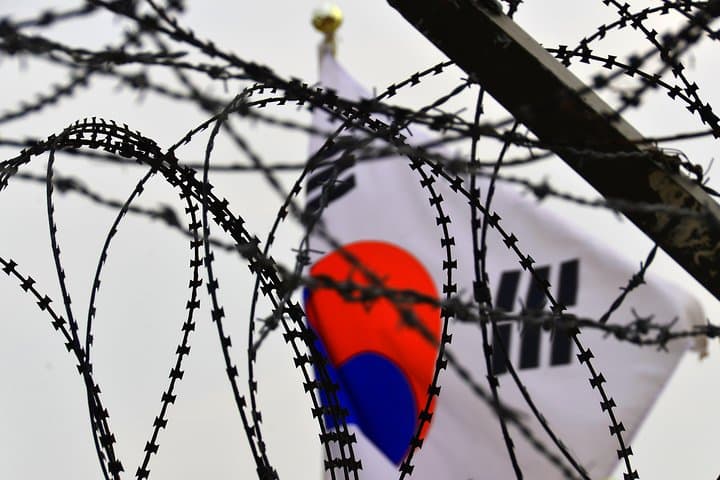
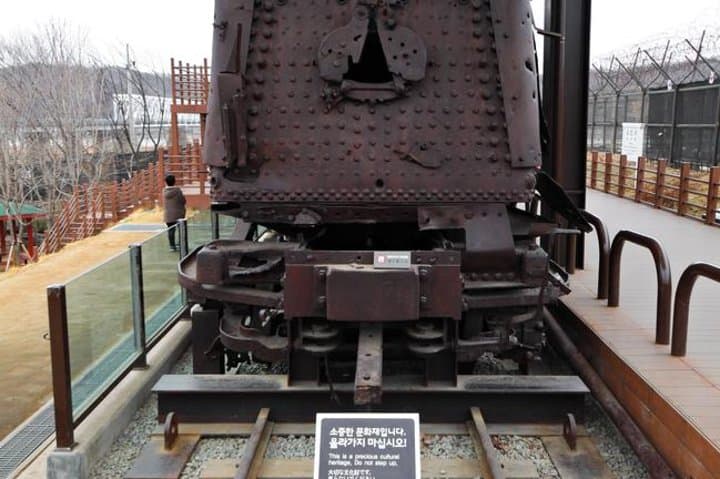
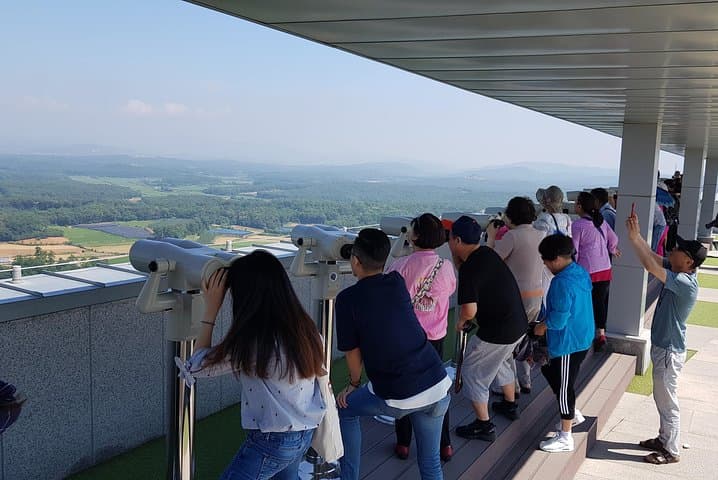
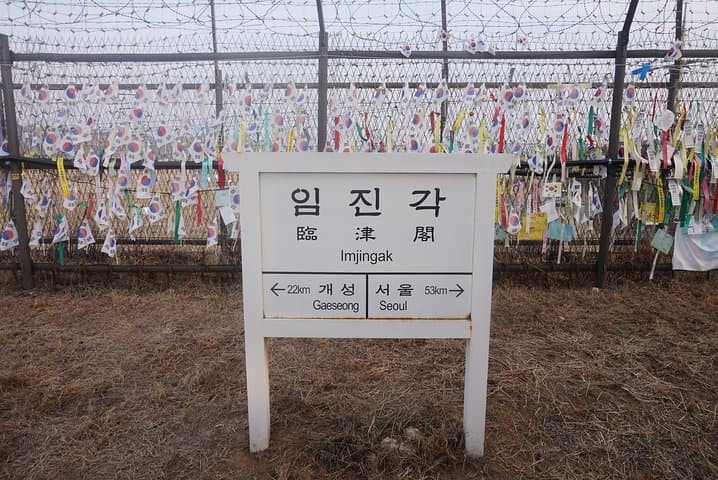
You step off the coach into a cold wind that seems to push at the border itself — the Imjin River gurgling below and rows of rusted artillery standing like quiet witnesses. The DMZ Past and Present tour moves at a steady, informative pace: Imjingak Park’s keepsakes of the Korean War, the Freedom Bridge’s worn planks, the claustrophobic 3rd Infiltration Tunnel and the binocular-viewing platform at Dora Observatory.
You step off the coach into a cold wind that seems to push at the border itself — the Imjin River gurgling below and rows of rusted artillery standing like quiet witnesses. The DMZ Past and Present tour moves at a steady, informative pace: Imjingak Park’s keepsakes of the Korean War, the Freedom Bridge’s worn planks, the claustrophobic 3rd Infiltration Tunnel and the binocular-viewing platform at Dora Observatory.
The landscape here is geopolitical as much as geological — low river terraces and rolling hills shaped by millennia of rivers and human movement. The sites tell a compact history: the armistice of 1953, the recurring tunnel discoveries beneath the ridge, and the unusual status of the Military Demarcation Line as both barrier and focal point of reconciliation efforts. Local guides translate artifacts and architecture into a human story: displaced families, POW returns, and the small propaganda village visible across the border.
Practicalities are central: the tour runs about 6–7 hours by coach from Seoul, includes admission fees and an expert guide, and requires a valid passport the day of travel. Expect moderate walking — the tunnel descent is steep and narrow for roughly 400 meters at an 11° grade — so comfortable shoes and steady knees matter. Bring layers; observatories and exposed parks catch wind. Binoculars, a charged phone camera, and an open mind will make the history tangible.
This is not a wilderness hike but an immersion in living history framed by the landscape. Time your visit for clearer visibility at the observatory and allow a full day to absorb both the sites and the complex emotions they evoke.