THE ADVENTURE COLLECTIVE® · Independent discovery and booking for outdoor travel

Explore the DMZ on a private, guided route that combines Imjingak Park, the 3rd Infiltration Tunnel, Dora Observatory and Dorasan Station. This practical guide outlines what to expect—permits, terrain, and on-the-ground tips—so you can focus on the history and the uncanny quiet of a border left largely to nature.
Explore the DMZ on a private, guided route that combines Imjingak Park, the 3rd Infiltration Tunnel, Dora Observatory and Dorasan Station. This practical guide outlines what to expect—permits, terrain, and on-the-ground tips—so you can focus on the history and the uncanny quiet of a border left largely to nature.
A thin morning light slides across Imjingak Park as the private van pulls up—steel fences and watchtowers puncture the sky beyond the trees, and the Freedom Bridge waits like a folded page between two chapters of history. The tour moves with purpose: Imjingak’s monuments, the echoing corridor of the 3rd Infiltration Tunnel, the raised vantage at Dora Observatory peering across cultivated fields into North Korea, and the quiet platform of Dorasan Station.
Verified experiences and guided adventures in the surrounding area.
Operated by Chris Hyosang Lee · Paju, Gyeonggi-do
A thin morning light slides across Imjingak Park as the private van pulls up—steel fences and watchtowers puncture the sky beyond the trees, and the Freedom Bridge waits like a folded page between two chapters of history. The tour moves with purpose: Imjingak’s monuments, the echoing corridor of the 3rd Infiltration Tunnel, the raised vantage at Dora Observatory peering across cultivated fields into North Korea, and the quiet platform of Dorasan Station.
The DMZ itself was born from the 1953 armistice: a roughly 4-kilometer-wide buffer that froze a front line into a long corridor of history. Geology here is subtle—low ridges and river flats carved by the Imjin River form a patchwork of farmland and mixed forest that has been left to regenerate where people have not tread. Culturally the area blends memorial ritual with practical frontier life: unification-themed museums, soldier memorials, and small villages that open for guided visitors and distinctive local foods like Jangdankong tofu dishes.
For practical planning, the tour requires advance reservation and government ID at checkpoints—passports are mandatory. Expect multiple security screenings, stair and tunnel descents with narrow passages, and limited time at each stop. Wear sturdy shoes, layers for wind at observatories, and bring bottled water; photography is allowed in many spots but restricted at checkpoints and certain viewpoints. The pace is steady but manageable for anyone in moderate shape; guides handle permits and logistics so visitors can focus on the landscape and the layered history that still shapes the peninsula.
moderate.
6–8 hours.
Suitable for travelers in moderate physical condition who can handle stair descents, short hikes and standing for extended periods.
Yes—passports (or ARC for residents) are mandatory for all visitors at checkpoint entry and must be presented in person.
Children are allowed but policies vary by operator; expect the same ID rules and restrictions, and consider the tunnel’s narrow, low sections for small kids.
Photography is generally permitted at public viewpoints like Dora Observatory, but is restricted at checkpoints and some military areas—follow your guide’s directions.
This tour is not recommended for pregnant travelers due to restricted access areas and the physical demands of tunnel descents and security procedures.
The DMZ was established by the 1953 armistice and has since acted as both a military buffer and an inadvertent wildlife refuge, preserving habitats absent of normal human development.
Limited access has created valuable habitat corridors; tours are tightly controlled to minimize disturbance—follow rules, stick to paths and avoid littering.
Chris Hyosang Lee operates guided outdoor trips and adventures with an emphasis on safety, stewardship, and memorable experiences.
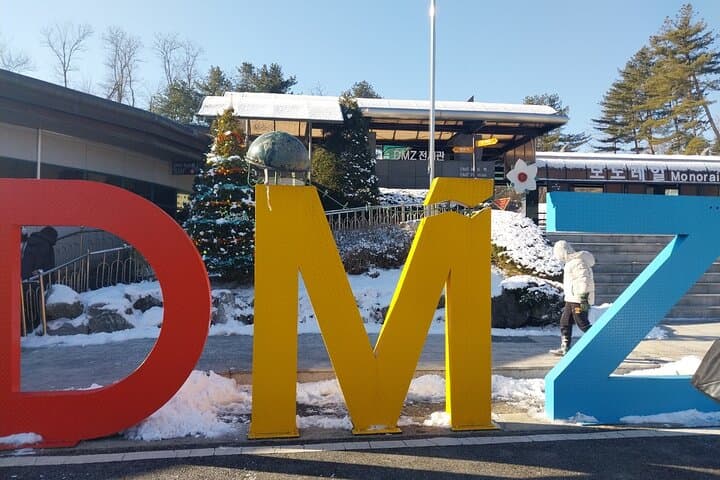
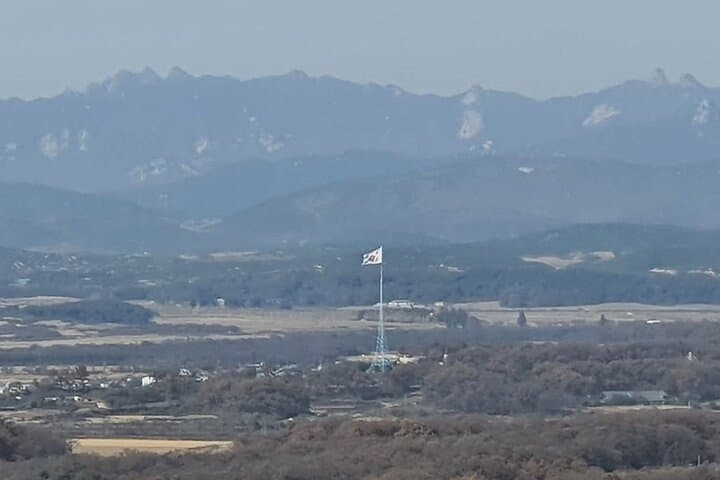
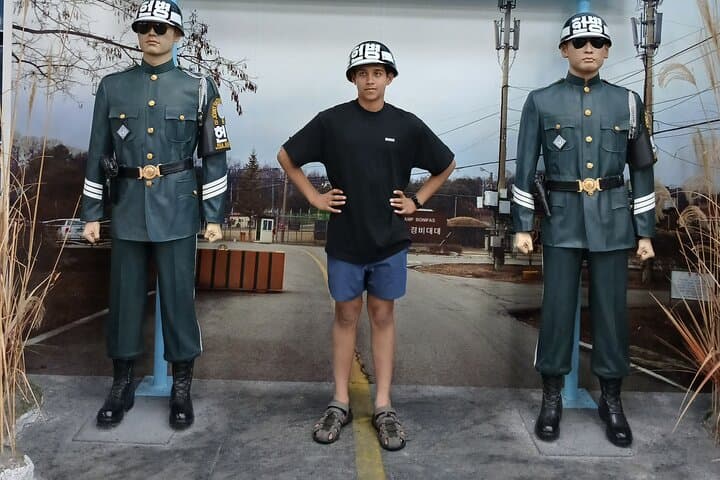
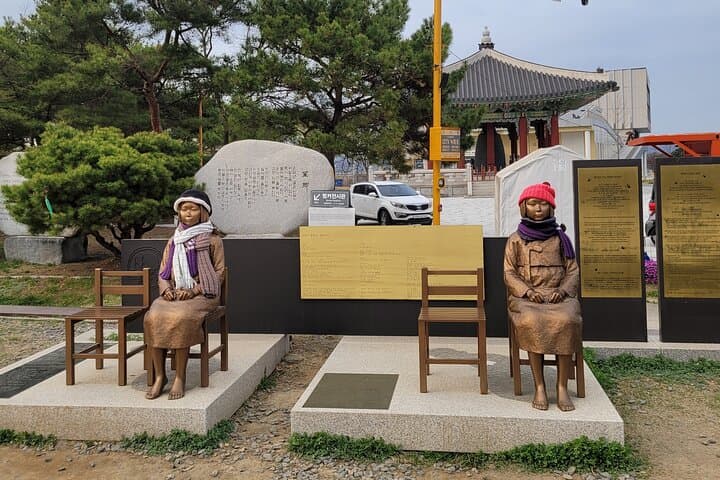
A thin morning light slides across Imjingak Park as the private van pulls up—steel fences and watchtowers puncture the sky beyond the trees, and the Freedom Bridge waits like a folded page between two chapters of history. The tour moves with purpose: Imjingak’s monuments, the echoing corridor of the 3rd Infiltration Tunnel, the raised vantage at Dora Observatory peering across cultivated fields into North Korea, and the quiet platform of Dorasan Station.
A thin morning light slides across Imjingak Park as the private van pulls up—steel fences and watchtowers puncture the sky beyond the trees, and the Freedom Bridge waits like a folded page between two chapters of history. The tour moves with purpose: Imjingak’s monuments, the echoing corridor of the 3rd Infiltration Tunnel, the raised vantage at Dora Observatory peering across cultivated fields into North Korea, and the quiet platform of Dorasan Station.
The DMZ itself was born from the 1953 armistice: a roughly 4-kilometer-wide buffer that froze a front line into a long corridor of history. Geology here is subtle—low ridges and river flats carved by the Imjin River form a patchwork of farmland and mixed forest that has been left to regenerate where people have not tread. Culturally the area blends memorial ritual with practical frontier life: unification-themed museums, soldier memorials, and small villages that open for guided visitors and distinctive local foods like Jangdankong tofu dishes.
For practical planning, the tour requires advance reservation and government ID at checkpoints—passports are mandatory. Expect multiple security screenings, stair and tunnel descents with narrow passages, and limited time at each stop. Wear sturdy shoes, layers for wind at observatories, and bring bottled water; photography is allowed in many spots but restricted at checkpoints and certain viewpoints. The pace is steady but manageable for anyone in moderate shape; guides handle permits and logistics so visitors can focus on the landscape and the layered history that still shapes the peninsula.