
DMZ Full-Year Special Tour: Third Tunnel, Dorasan Observatory & Imjingak Day Trip from Seoul
A full-day (9-hour) guided visit to the Korean DMZ that runs daily, including Mondays and public holidays — see Imjingak Park, the Third Tunnel (when open), Dorasan Observatory and alternative hilltop observatories on closure days. Perfect for travelers who want a grounded, historically rich view of the border region.
An Adventure In Seoul.
A full-day (9-hour) guided visit to the Korean DMZ that runs daily, including Mondays and public holidays — see Imjingak Park, the Third Tunnel (when open), Dorasan Observatory and alternative hilltop observatories on closure days. Perfect for travelers who want a grounded, historically rich view of the border region.
Read the full experience
You step off the coach into a wind that seems to carry history: Imjingak’s open plaza, the Freedom Bridge slanting toward the border, and the Imjin River glinting like a thin, determined line between two Koreas. The morning hum of Seoul fades; ahead is a compact day that moves from memorials to observation towers and, if open, a claustrophobic walk through the Third Tunnel.
You step off the coach into a wind that seems to carry history: Imjingak’s open plaza, the Freedom Bridge slanting toward the border, and the Imjin River glinting like a thin, determined line between two Koreas. The morning hum of Seoul fades; ahead is a compact day that moves from memorials to observation towers and, if open, a claustrophobic walk through the Third Tunnel.
The DMZ corridor is a recent palimpsest — battlefield, Cold War frontline, and now a controlled window into a divided peninsula. Geology here is low rolling hills carved by the Imjin River; military infrastructure sits on those slopes, and observatories perch where lines of sight are clearest. Cultural layers run deep: refugee monuments at Imjingak, wartime relics, and the uneasy civic pride around Dorasan Station, a reminder that a rail link could one day resume.
Expect a structured, guide-led day: Imjingak Park and its memorials, an exhibit or theater for context, the Third Tunnel’s steep stairs and narrow galleries, then Dorasan Observatory’s telescopes and, on Mondays/holidays or closures, alternative hilltop views at Jangsan or Odusan.
Practical guidance: carry a passport or national ID, wear sturdy shoes for stairs and short hikes, and bring layers — wind can bite at the observatories. Photography is allowed in most outdoor areas but restricted in secure zones; follow your guide’s instructions. The tour moves on a set schedule, so arrive at the meeting point early and be prepared for last-minute itinerary changes if military restrictions close access. For travelers curious about both landscape and geopolitics, this is a focused, thoughtful half-day that pairs sensory observation with clear historical framing.
Frequently asked questions
Yes — all foreigners must carry a passport; South Korean citizens should bring a national ID. ID is checked at security points.
The operator substitutes approved alternative sites (e.g., Jangsan Natural Observatory or Odusan Unification Observatory) and adjusts the itinerary; refunds are not provided for closures caused by military restrictions.
The tunnel includes steep stairs and confined spaces and is not recommended for pregnant women or visitors with serious medical conditions; children are allowed but should be supervised due to safety constraints.
Outdoor photography is generally allowed; however, photographing military installations or personnel may be restricted — always follow your guide’s instructions and posted signage.
About This Experience
Seoul N Tour operates guided outdoor trips and adventures with an emphasis on safety, stewardship, and memorable experiences.
Adventure tips
Recommended gear
- Government-issued ID or passport: Required for security checks and DMZ access.
- Sturdy walking shoes: Needed for tunnel stairs, short hikes and uneven observation areas.
- Insulated/windproof layer: Observatory points and river valleys can be much colder than Seoul, especially mornings and winters.
- Reusable water bottle: Keeps you hydrated during the long day; some stops have limited concessions.
Photos of the experience
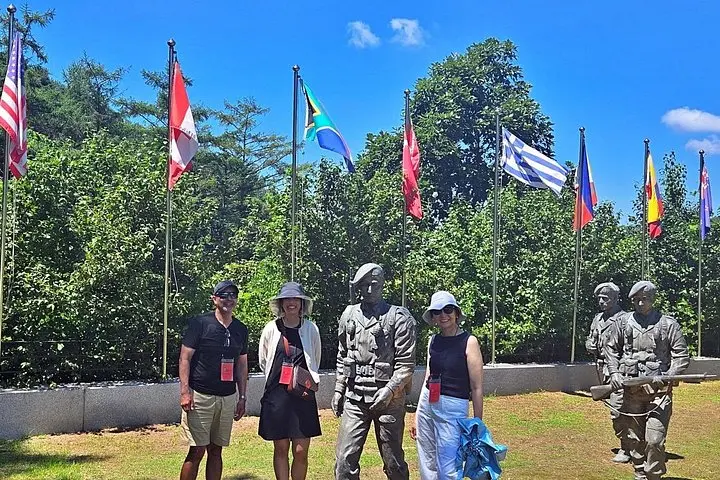
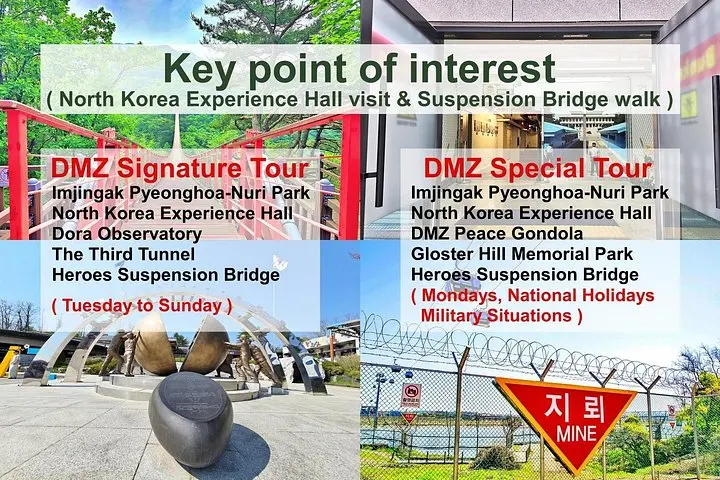
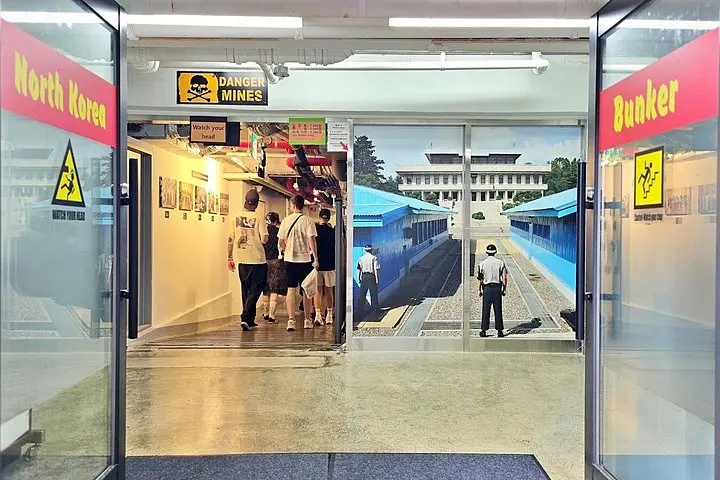
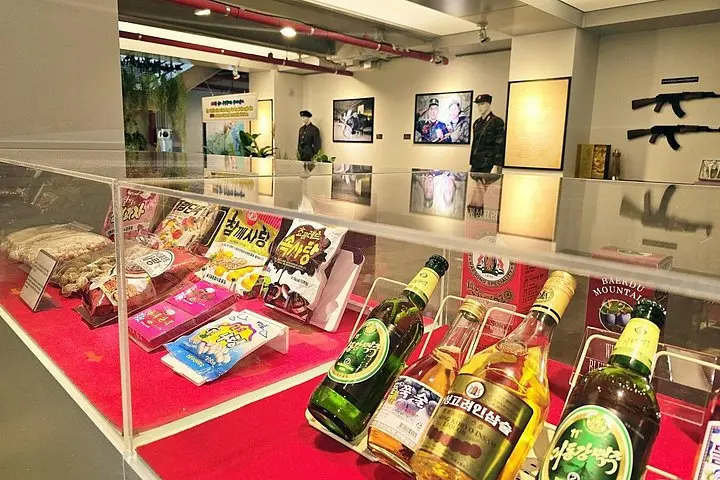
Related adventures & guides
Read the full experience
You step off the coach into a wind that seems to carry history: Imjingak’s open plaza, the Freedom Bridge slanting toward the border, and the Imjin River glinting like a thin, determined line between two Koreas. The morning hum of Seoul fades; ahead is a compact day that moves from memorials to observation towers and, if open, a claustrophobic walk through the Third Tunnel.
You step off the coach into a wind that seems to carry history: Imjingak’s open plaza, the Freedom Bridge slanting toward the border, and the Imjin River glinting like a thin, determined line between two Koreas. The morning hum of Seoul fades; ahead is a compact day that moves from memorials to observation towers and, if open, a claustrophobic walk through the Third Tunnel.
The DMZ corridor is a recent palimpsest — battlefield, Cold War frontline, and now a controlled window into a divided peninsula. Geology here is low rolling hills carved by the Imjin River; military infrastructure sits on those slopes, and observatories perch where lines of sight are clearest. Cultural layers run deep: refugee monuments at Imjingak, wartime relics, and the uneasy civic pride around Dorasan Station, a reminder that a rail link could one day resume.
Expect a structured, guide-led day: Imjingak Park and its memorials, an exhibit or theater for context, the Third Tunnel’s steep stairs and narrow galleries, then Dorasan Observatory’s telescopes and, on Mondays/holidays or closures, alternative hilltop views at Jangsan or Odusan.
Practical guidance: carry a passport or national ID, wear sturdy shoes for stairs and short hikes, and bring layers — wind can bite at the observatories. Photography is allowed in most outdoor areas but restricted in secure zones; follow your guide’s instructions. The tour moves on a set schedule, so arrive at the meeting point early and be prepared for last-minute itinerary changes if military restrictions close access. For travelers curious about both landscape and geopolitics, this is a focused, thoughtful half-day that pairs sensory observation with clear historical framing.
Make a day of it nearby.
Verified experiences and guided adventures in the surrounding area.