THE ADVENTURE COLLECTIVE® · Independent discovery and booking for outdoor travel

Explore Djurgården’s mix of royal parkland and cultural landmarks on a two-hour, accessible walking loop. This guide covers what you’ll see, why the island matters, and practical tips for timing, transit, and gear.
Explore Djurgården’s mix of royal parkland and cultural landmarks on a two-hour, accessible walking loop. This guide covers what you’ll see, why the island matters, and practical tips for timing, transit, and gear.
On a crisp Stockholm morning you step off at Nybroplan and the island opens like a public room — lawns sliding down to the water, gravel paths threaded with pedaling locals, and the distant creak of a wooden ferry. Trees lean toward the sea as if listening; the shoreline tosses light back at the city. Museums and amusement rides punctuate the green, but much of Djurgården’s draw is simple: accessible nature rubbing shoulders with culture.
Verified experiences and guided adventures in the surrounding area.
Operated by Tours of Stockholm · Stockholm, Stockholm County
On a crisp Stockholm morning you step off at Nybroplan and the island opens like a public room — lawns sliding down to the water, gravel paths threaded with pedaling locals, and the distant creak of a wooden ferry. Trees lean toward the sea as if listening; the shoreline tosses light back at the city. Museums and amusement rides punctuate the green, but much of Djurgården’s draw is simple: accessible nature rubbing shoulders with culture.
The island has belonged to Sweden’s royal family since the 15th century and today forms part of the Kungliga nationalstadsparken, the world’s first national urban park. The bedrock here is Baltic Shield granite, shaped by the last ice age and rising steadily by post-glacial rebound — that slow lifting gives you the low cliffs, sheltered bays, and compact soils that sustain the parks and promenades. Scattered cultural touchstones — the Vasa, Skansen, ABBA Museum, Gröna Lund — tell Stockholm’s civic story while gardens and former royal estates show a quieter domestic history.
Practical route notes: expect a 4–6 km easy loop that most people complete in about two hours; elevation gain is minimal but surfaces vary from cobbles to boardwalks. Public transit and ferries stop nearby; most attractions require separate admission. Wear sturdy shoes for uneven stone, layer for wind off the Baltic, and carry a transit card if you plan to hop on/off. Early morning or late afternoon light cuts crowds and gives you the best photo angles. Djurgården is a short, flat introduction to Stockholm that balances people-focused museums with genuine outdoor breathing space.
easy.
2 hours.
Suitable for most fitness levels; requires standing and walking for up to two hours
The guided tour lasts about two hours and covers an easy 4–6 km loop with minimal elevation; most participants are on their feet the entire time.
Yes — paths and transportation options are wheelchair accessible, and the operator notes stroller friendliness for infants and small children.
Admissions are typically not included; this sightseeing tour focuses on the island’s highlights and local context — check the booking page for specifics.
Language options depend on the operator and schedule; confirm at booking but many Stockholm tours are offered in English and Swedish.
Djurgården has been royal hunting ground and recreational estate since the 1400s and is part of the Kungliga nationalstadsparken, designated to protect urban green space.
As part of Sweden’s national urban park, Djurgården is managed to balance visitor use with habitat protection — follow park rules, keep to paths, and avoid feeding wildlife.
Tours of Stockholm operates guided outdoor trips and adventures with an emphasis on safety, stewardship, and memorable experiences.
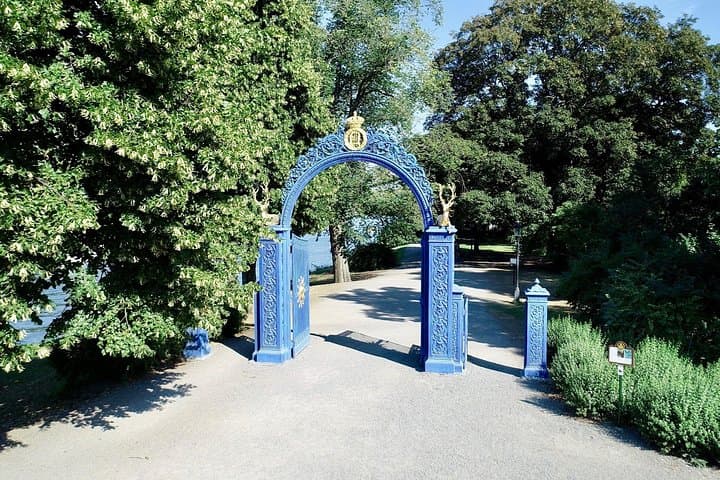


On a crisp Stockholm morning you step off at Nybroplan and the island opens like a public room — lawns sliding down to the water, gravel paths threaded with pedaling locals, and the distant creak of a wooden ferry. Trees lean toward the sea as if listening; the shoreline tosses light back at the city. Museums and amusement rides punctuate the green, but much of Djurgården’s draw is simple: accessible nature rubbing shoulders with culture.
On a crisp Stockholm morning you step off at Nybroplan and the island opens like a public room — lawns sliding down to the water, gravel paths threaded with pedaling locals, and the distant creak of a wooden ferry. Trees lean toward the sea as if listening; the shoreline tosses light back at the city. Museums and amusement rides punctuate the green, but much of Djurgården’s draw is simple: accessible nature rubbing shoulders with culture.
The island has belonged to Sweden’s royal family since the 15th century and today forms part of the Kungliga nationalstadsparken, the world’s first national urban park. The bedrock here is Baltic Shield granite, shaped by the last ice age and rising steadily by post-glacial rebound — that slow lifting gives you the low cliffs, sheltered bays, and compact soils that sustain the parks and promenades. Scattered cultural touchstones — the Vasa, Skansen, ABBA Museum, Gröna Lund — tell Stockholm’s civic story while gardens and former royal estates show a quieter domestic history.
Practical route notes: expect a 4–6 km easy loop that most people complete in about two hours; elevation gain is minimal but surfaces vary from cobbles to boardwalks. Public transit and ferries stop nearby; most attractions require separate admission. Wear sturdy shoes for uneven stone, layer for wind off the Baltic, and carry a transit card if you plan to hop on/off. Early morning or late afternoon light cuts crowds and gives you the best photo angles. Djurgården is a short, flat introduction to Stockholm that balances people-focused museums with genuine outdoor breathing space.