THE ADVENTURE COLLECTIVE® · Independent discovery and booking for outdoor travel

This five-day loop from Djerba covers Tunisia’s coastal classics, Roman ruins, UNESCO sites, and Sahara oases—mixing archaeology with dramatic desert landscapes. Expect long drives, light walking in medinas, and unique stops like Matmata’s troglodyte dwellings and the El Jem amphitheatre.
This five-day loop from Djerba covers Tunisia’s coastal classics, Roman ruins, UNESCO sites, and Sahara oases—mixing archaeology with dramatic desert landscapes. Expect long drives, light walking in medinas, and unique stops like Matmata’s troglodyte dwellings and the El Jem amphitheatre.
You start on Djerba at dawn: salt air, fishing boats rocking, and a driver waiting to press you inland. The first day slips from coastal markets to the brooding stone of El Jem’s amphitheatre—Roman engineering that once held 30–35,000 spectators—and then onto Monastir’s ribat, whose ramparts look out over a calm Mediterranean.
Verified experiences and guided adventures in the surrounding area.
Operated by monia travel · Houmt Souk (Djerba), Medenine Governorate
You start on Djerba at dawn: salt air, fishing boats rocking, and a driver waiting to press you inland. The first day slips from coastal markets to the brooding stone of El Jem’s amphitheatre—Roman engineering that once held 30–35,000 spectators—and then onto Monastir’s ribat, whose ramparts look out over a calm Mediterranean.
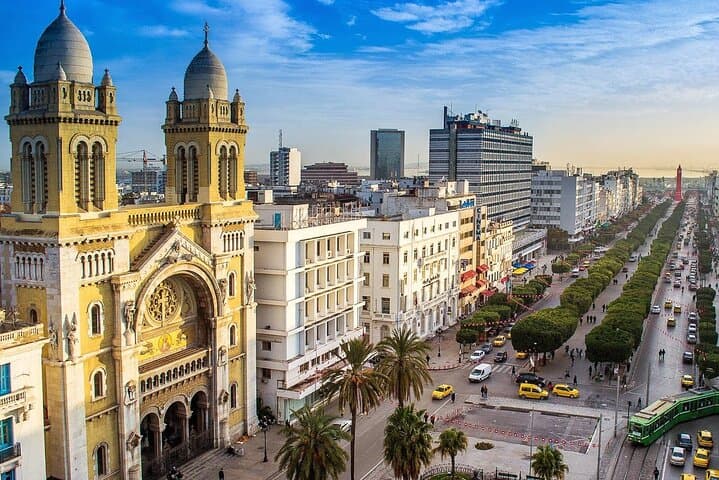
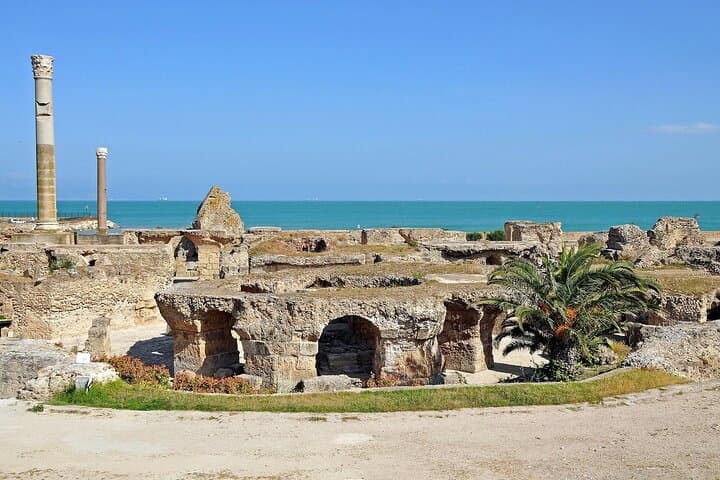
Across five days the route reads like a layering of Tunisia’s histories: Phoenician Carthage and its Antonine Baths; the mosaic wealth of the Bardo Museum; Kairouan, founded in 670 CE and revered as a center of Islamic scholarship; and the palm-scattered oases around Tozeur that lead into the Sahara. Geology shifts fast—limestone ruins, salt-crust flats at Chott el Djerid that dare you to watch mirages, and the sculpted canyon walls of Chebika and Tamerza.
Culturally expect medina alleyways, handicraft stalls, and welcoming teahouses where dates and mint tea mark hospitality. Film buffs will recognize Matmata’s troglodyte pits and the Star Wars backdrops around Tozeur.
Practical guidance: plan for long drives—several legs of 3–6 hours—so bring motion comfort items. Desert days are hot and bright; nights can be unexpectedly cool. Wear sturdy shoes for uneven medina stones and oasis trails, carry 2–3 liters of water, and start outdoor visits early to avoid midday heat. Bring local currency and photocopies of your passport; when visiting mosques, dress modestly and remove shoes where required. If you want camel rides or quad excursions from Douz, budget extra—these are optional add-ons.
easy.
5 days.
Suitable for travelers who can handle several hours of walking over uneven surfaces and tolerate long vehicle transfers.
The itinerary includes admission to several key sites (El Jem, Bardo, Chebika) but not every optional activity; confirm specifics with the operator before travel.
Yes—infants and small children can use strollers and infant seats are available, but tours require a minimum number of participants and some long drives may be tiring for young children.
Yes—Tozeur, Chott el Djerid, and Matmata feature recognizable filming sites; access is generally easy from the road stops on days 4–5.
Most meals listed are included (breakfasts, lunches and dinners on select days); inform the operator of allergies or dietary restrictions in advance so they can accommodate you.
Tunisia’s coastline and inland sites reflect Phoenician foundations later built into Roman provincial centers; Kairouan (est. 670 CE) became an early center of Islamic learning and pilgrimage.
Oases are fragile: water use and off-road traffic can stress palms and groundwater; stick to marked paths, avoid collecting plants, and support local businesses that follow sustainable practices.
monia travel operates guided outdoor trips and adventures with an emphasis on safety, stewardship, and memorable experiences.
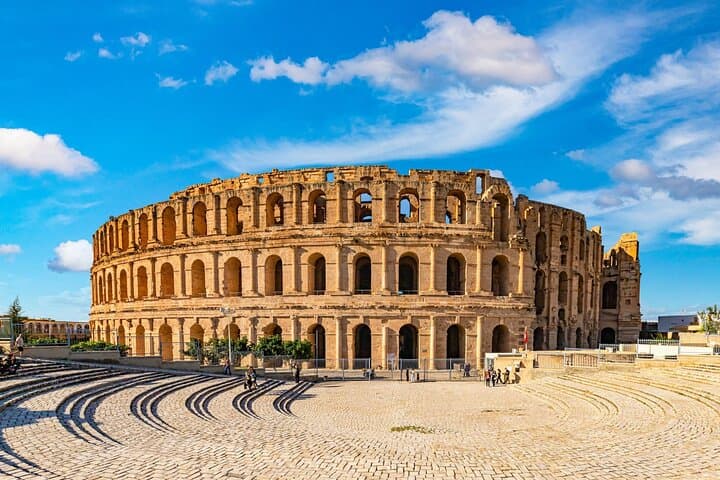
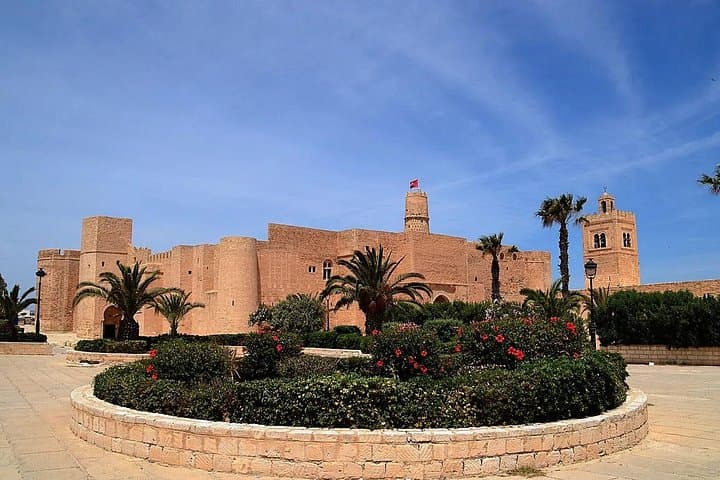
You start on Djerba at dawn: salt air, fishing boats rocking, and a driver waiting to press you inland. The first day slips from coastal markets to the brooding stone of El Jem’s amphitheatre—Roman engineering that once held 30–35,000 spectators—and then onto Monastir’s ribat, whose ramparts look out over a calm Mediterranean.
You start on Djerba at dawn: salt air, fishing boats rocking, and a driver waiting to press you inland. The first day slips from coastal markets to the brooding stone of El Jem’s amphitheatre—Roman engineering that once held 30–35,000 spectators—and then onto Monastir’s ribat, whose ramparts look out over a calm Mediterranean.
Across five days the route reads like a layering of Tunisia’s histories: Phoenician Carthage and its Antonine Baths; the mosaic wealth of the Bardo Museum; Kairouan, founded in 670 CE and revered as a center of Islamic scholarship; and the palm-scattered oases around Tozeur that lead into the Sahara. Geology shifts fast—limestone ruins, salt-crust flats at Chott el Djerid that dare you to watch mirages, and the sculpted canyon walls of Chebika and Tamerza.
Culturally expect medina alleyways, handicraft stalls, and welcoming teahouses where dates and mint tea mark hospitality. Film buffs will recognize Matmata’s troglodyte pits and the Star Wars backdrops around Tozeur.
Practical guidance: plan for long drives—several legs of 3–6 hours—so bring motion comfort items. Desert days are hot and bright; nights can be unexpectedly cool. Wear sturdy shoes for uneven medina stones and oasis trails, carry 2–3 liters of water, and start outdoor visits early to avoid midday heat. Bring local currency and photocopies of your passport; when visiting mosques, dress modestly and remove shoes where required. If you want camel rides or quad excursions from Douz, budget extra—these are optional add-ons.