THE ADVENTURE COLLECTIVE® · Independent discovery and booking for outdoor travel

A short, guided snorkeling session off Djerba that leads to shallow caves and seagrass beds rich with ray, octopus and coastal fish. Calm water, small groups and easy access make it ideal for first-time snorkelers and families.
A short, guided snorkeling session off Djerba that leads to shallow caves and seagrass beds rich with ray, octopus and coastal fish. Calm water, small groups and easy access make it ideal for first-time snorkelers and families.
The boat slips away from the low concrete quay and the Mediterranean opens like a cool blue page. Air tastes faintly of salt and citrus; on the horizon Djerba's low profile—whitewashed houses, tamarisk trees—keeps its watch. In less than ten minutes, the captain eases the outboard and the water becomes a private room: clear, shallow, punctuated by rocky outcrops and small caves where light pools and fish gather.
Verified experiences and guided adventures in the surrounding area.
Operated by Club de Plongée La Sirène - Djerba Diving Center · Houmt Souk, Medenine Governorate
The boat slips away from the low concrete quay and the Mediterranean opens like a cool blue page. Air tastes faintly of salt and citrus; on the horizon Djerba's low profile—whitewashed houses, tamarisk trees—keeps its watch. In less than ten minutes, the captain eases the outboard and the water becomes a private room: clear, shallow, punctuated by rocky outcrops and small caves where light pools and fish gather.
This snorkeling session focuses on easy, sheltered reef inlets where depths range from about 1.5 to 6 meters—ideal for swimmers who want close encounters without deep-water anxiety. The sea here has been shaped by Tunisia’s long coastline and Pleistocene limestone shelves; the rocks create pockets and caves that serve as microhabitats for octopus, skates and a host of wrasse and bream. Djerba’s human story runs alongside that geology: the island has been a Phoenician stopover, a Roman outpost and today a place where Berber and Arab traditions mix with tourism. Local villages like Guellala still keep crafts and fishing practices that connect to the water you’re exploring.
On the surface all is measured and quiet. Under it, the current is patient, offering the chance to drift along ledges and into small caverns where light shafts reveal greenish seagrass beds and slow-moving rays. Guides hand out masks, snorkels and fins, brief participants on buoyancy and reef etiquette, then shepherd groups along routes chosen for calm conditions and marine diversity.
Practicalities matter: the trip is 90 minutes from meet-up to return, with actual in-water time shorter—plan for a full morning or afternoon block. Water temperatures peak in summer; a thin wetsuit or rash guard is wise if you’re sensitive. Footwear with good grip helps on the boat ramp. Operators here are family-run and limit group size; bring reef-safe sunscreen, a waterproof camera and a respect for fragile habitats—avoid touching or chasing wildlife.
For travelers based in Houmt Souk or Ajim, the session is an accessible half-day escape that pairs well with visits to El Ghriba synagogue or the pottery village of Guellala. Expect basic facilities at the meeting point and friendly, multilingual guides. If conditions are rough the operator will cancel with refund at least 24 hours out.
This is a snorkeling experience designed for curiosity more than conquest: shallow reefs that invite careful observation, caves that hush you into watchfulness, and the occasional octopus that refuses to be hurried. For anyone who prefers calm water and close marine encounters, Djerba’s small caves and clear shoals offer a clean, honest taste of the Mediterranean under the North African sun.
easy.
1.5 hours (total 90 min session).
Suitable for general fitness; participants should be comfortable swimming short distances and treading water.
No—this site is shallow (1.5–6 m) and guides stay close; basic swimming ability and comfort with a mask are sufficient.
Yes, but operators may require children to be confident in water and wear life vests; check age policies when booking.
Trips are cancelled for rough sea conditions with at least 24 hours’ notice and are eligible for a full refund per operator policy.
Trips depart from a small boat near the quay; brief boat transfer to the reefs is included in the 90-minute session.
No—touching or feeding wildlife is prohibited to protect animals and prevent injury; maintain neutral buoyancy and observe quietly.
Yes—mask, snorkel and fins are provided; you may bring your own for comfort and fit.
Djerba has hosted Phoenician traders and Roman settlers; the island’s long maritime history includes traditional fishing techniques still practiced today.
Operators emphasize small groups and non-contact snorkeling; use reef-safe products and avoid standing on seagrass which is crucial nursery habitat.
Club de Plongée La Sirène - Djerba Diving Center operates guided outdoor trips and adventures with an emphasis on safety, stewardship, and memorable experiences.
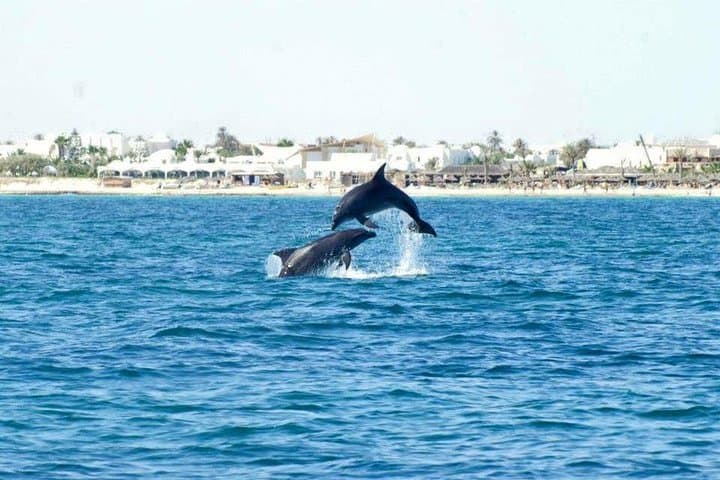


The boat slips away from the low concrete quay and the Mediterranean opens like a cool blue page. Air tastes faintly of salt and citrus; on the horizon Djerba's low profile—whitewashed houses, tamarisk trees—keeps its watch. In less than ten minutes, the captain eases the outboard and the water becomes a private room: clear, shallow, punctuated by rocky outcrops and small caves where light pools and fish gather.
The boat slips away from the low concrete quay and the Mediterranean opens like a cool blue page. Air tastes faintly of salt and citrus; on the horizon Djerba's low profile—whitewashed houses, tamarisk trees—keeps its watch. In less than ten minutes, the captain eases the outboard and the water becomes a private room: clear, shallow, punctuated by rocky outcrops and small caves where light pools and fish gather.
This snorkeling session focuses on easy, sheltered reef inlets where depths range from about 1.5 to 6 meters—ideal for swimmers who want close encounters without deep-water anxiety. The sea here has been shaped by Tunisia’s long coastline and Pleistocene limestone shelves; the rocks create pockets and caves that serve as microhabitats for octopus, skates and a host of wrasse and bream. Djerba’s human story runs alongside that geology: the island has been a Phoenician stopover, a Roman outpost and today a place where Berber and Arab traditions mix with tourism. Local villages like Guellala still keep crafts and fishing practices that connect to the water you’re exploring.
On the surface all is measured and quiet. Under it, the current is patient, offering the chance to drift along ledges and into small caverns where light shafts reveal greenish seagrass beds and slow-moving rays. Guides hand out masks, snorkels and fins, brief participants on buoyancy and reef etiquette, then shepherd groups along routes chosen for calm conditions and marine diversity.
Practicalities matter: the trip is 90 minutes from meet-up to return, with actual in-water time shorter—plan for a full morning or afternoon block. Water temperatures peak in summer; a thin wetsuit or rash guard is wise if you’re sensitive. Footwear with good grip helps on the boat ramp. Operators here are family-run and limit group size; bring reef-safe sunscreen, a waterproof camera and a respect for fragile habitats—avoid touching or chasing wildlife.
For travelers based in Houmt Souk or Ajim, the session is an accessible half-day escape that pairs well with visits to El Ghriba synagogue or the pottery village of Guellala. Expect basic facilities at the meeting point and friendly, multilingual guides. If conditions are rough the operator will cancel with refund at least 24 hours out.
This is a snorkeling experience designed for curiosity more than conquest: shallow reefs that invite careful observation, caves that hush you into watchfulness, and the occasional octopus that refuses to be hurried. For anyone who prefers calm water and close marine encounters, Djerba’s small caves and clear shoals offer a clean, honest taste of the Mediterranean under the North African sun.