THE ADVENTURE COLLECTIVE® · Independent discovery and booking for outdoor travel

Take control of your day on Djerba with a scooter rental that lets you chart beaches, pottery villages and quiet coastal roads. Practical, flexible and ideal for independent travelers with a valid license.
Take control of your day on Djerba with a scooter rental that lets you chart beaches, pottery villages and quiet coastal roads. Practical, flexible and ideal for independent travelers with a valid license.
The Mediterranean breathes warm, salt-tinged air across low dunes as you twist the throttle and the island opens: whitewashed houses, palm clusters, and a ribbon of road that seems to invite you onward.
Verified experiences and guided adventures in the surrounding area.
Operated by Sefer Tunisia · Houmt Souk, Medenine
The Mediterranean breathes warm, salt-tinged air across low dunes as you twist the throttle and the island opens: whitewashed houses, palm clusters, and a ribbon of road that seems to invite you onward.
Djerba is low and flat—an island of lagoons and sandy spits shaped by millennia of currents and wind. Phoenicians, Romans and Berbers left traces in coastal ruins and in the enduring craft traditions of villages like Guellala, where pottery still turns under the sun. The island’s culture blends Arab, Amazigh and Jewish influences; Houmt Souk’s markets hum with spices, leather, and fishermen’s calls.
Riding here is primarily coastal and rural: paved two-lane roads thread between beaches, salt flats and olive groves. Elevation gain is negligible; expect mostly flat kilometers with occasional short rises into dune-backed viewpoints. The seaside will dare you to stop for a swim; small cafés and local bakeries reward detours.
Practical guidance: scooters are automatic and easy to handle, ideal for 18+ riders with a valid license. Fuel is usually provided with a full tank; plan daily rides of 40–80 km to see Houmt Souk, Guellala and Ras Rmel without rushing. Helmets and basic road assistance are included, but carry cash for remote fuel stops and small repairs. Stick to marked roads, lock your helmet to the seat when parked, and avoid riding at night on unlit stretches.
Hydration, sun protection and a lightweight layered jacket for evening breezes make the day comfortable. With a sensible pace, a rented scooter turns Djerba from a handful of destinations into a continuous, self-directed coastal exploration.
moderate.
Up to 24 hours (full-day rental).
Moderate mobility required: ability to mount and control a 100–150kg automatic scooter for several hours
Yes — rentals require a valid driver's license appropriate for the scooter; international visitors should carry an IDP if their license is not in Latin script.
Most rentals include a full tank at pickup, but you are responsible for refueling if you exceed the provided amount or return the vehicle empty.
Road assistance is provided by the rental operator; confirm response times and contact procedures before you depart for remote stretches.
You can, but many rural roads are unlit—avoid nighttime riding if unfamiliar with local traffic and road conditions.
Djerba has been a maritime crossroads since antiquity, with Phoenician and Roman occupations and a long-standing Jewish community exemplified by the El Ghriba synagogue.
Coastal dunes and salt flats are sensitive habitats—stay on established roads, avoid driving on dunes, and pack out all trash to protect nesting birds and native vegetation.
Sefer Tunisia operates guided outdoor trips and adventures with an emphasis on safety, stewardship, and memorable experiences.
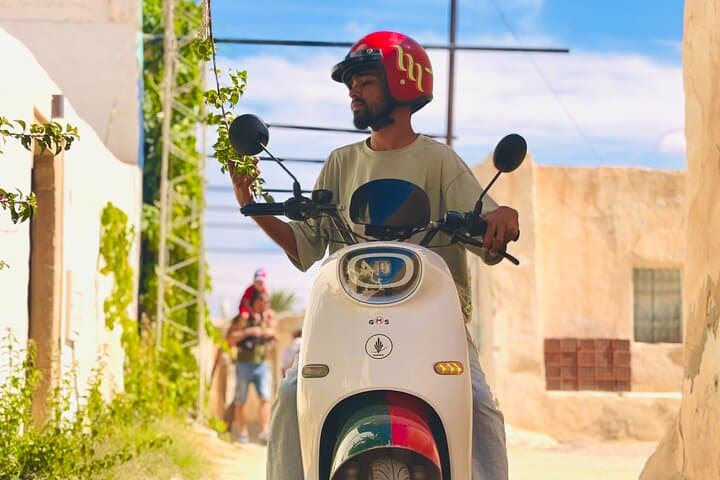
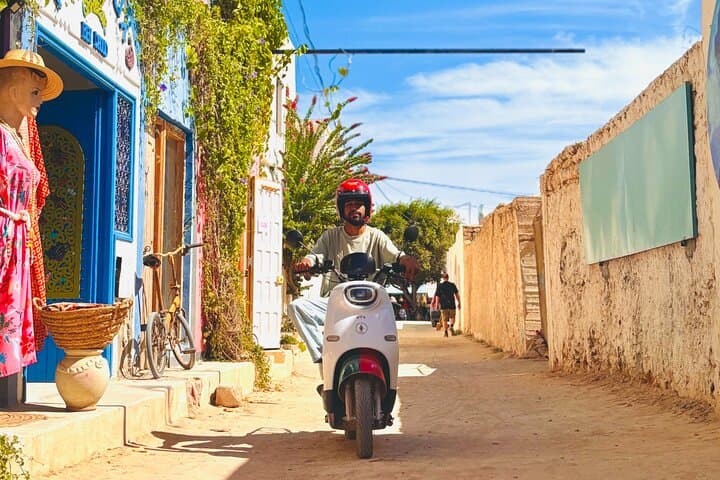
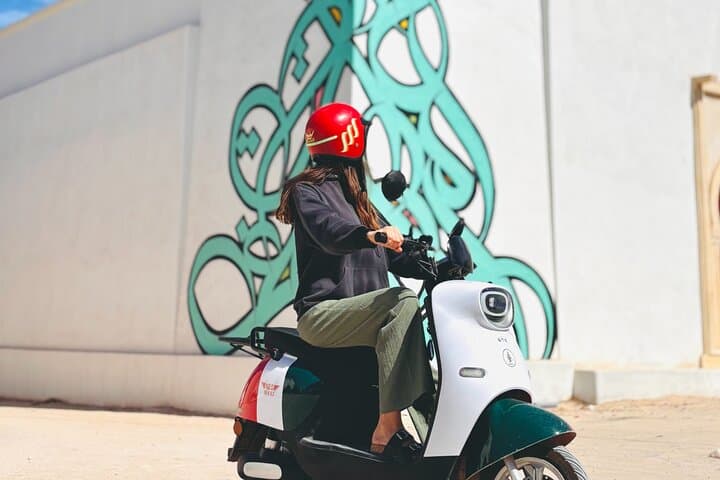
The Mediterranean breathes warm, salt-tinged air across low dunes as you twist the throttle and the island opens: whitewashed houses, palm clusters, and a ribbon of road that seems to invite you onward.
The Mediterranean breathes warm, salt-tinged air across low dunes as you twist the throttle and the island opens: whitewashed houses, palm clusters, and a ribbon of road that seems to invite you onward.
Djerba is low and flat—an island of lagoons and sandy spits shaped by millennia of currents and wind. Phoenicians, Romans and Berbers left traces in coastal ruins and in the enduring craft traditions of villages like Guellala, where pottery still turns under the sun. The island’s culture blends Arab, Amazigh and Jewish influences; Houmt Souk’s markets hum with spices, leather, and fishermen’s calls.
Riding here is primarily coastal and rural: paved two-lane roads thread between beaches, salt flats and olive groves. Elevation gain is negligible; expect mostly flat kilometers with occasional short rises into dune-backed viewpoints. The seaside will dare you to stop for a swim; small cafés and local bakeries reward detours.
Practical guidance: scooters are automatic and easy to handle, ideal for 18+ riders with a valid license. Fuel is usually provided with a full tank; plan daily rides of 40–80 km to see Houmt Souk, Guellala and Ras Rmel without rushing. Helmets and basic road assistance are included, but carry cash for remote fuel stops and small repairs. Stick to marked roads, lock your helmet to the seat when parked, and avoid riding at night on unlit stretches.
Hydration, sun protection and a lightweight layered jacket for evening breezes make the day comfortable. With a sensible pace, a rented scooter turns Djerba from a handful of destinations into a continuous, self-directed coastal exploration.