THE ADVENTURE COLLECTIVE® · Independent discovery and booking for outdoor travel

Seven days of forest treks, canoe passages and nights in canvas camps lead you into the heart of Cameroon's Dja Biosphere Reserve. Expect hands-on cultural exchanges with Baka communities, wildlife tracking and wet-season surprises.
Seven days of forest treks, canoe passages and nights in canvas camps lead you into the heart of Cameroon's Dja Biosphere Reserve. Expect hands-on cultural exchanges with Baka communities, wildlife tracking and wet-season surprises.
You arrive at Yaoundé before dawn and the city slips away under the rising heat as the road unspools toward the equatorial forest.
Verified experiences and guided adventures in the surrounding area.
Operated by Across Africa Tours LLC · Somalomo, South Region
You arrive at Yaoundé before dawn and the city slips away under the rising heat as the road unspools toward the equatorial forest.
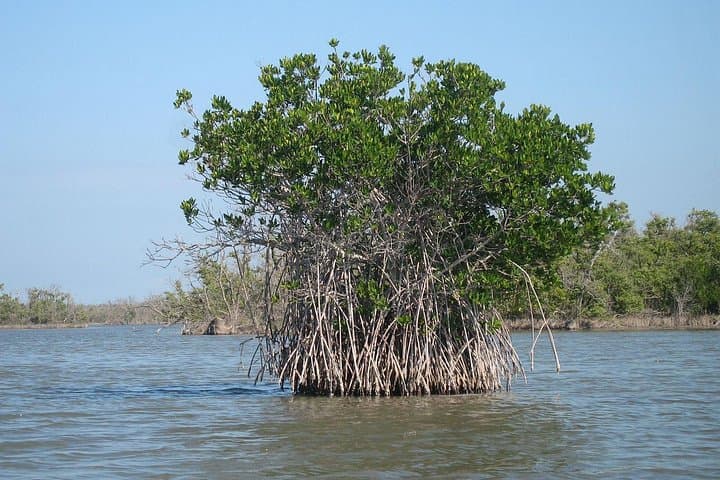
By the time the trees close in, the air changes: damp, leaf-slick, and alive. The Dja Biosphere Reserve spreads over low hills and meandering channels, a living archive of forest geology and hydrology where the Dja River dares you to follow it. Forest giants shade a dense understorey of palms and raphia; the canopy is a highway for birds and monkeys that keep a wary distance from the human camp.
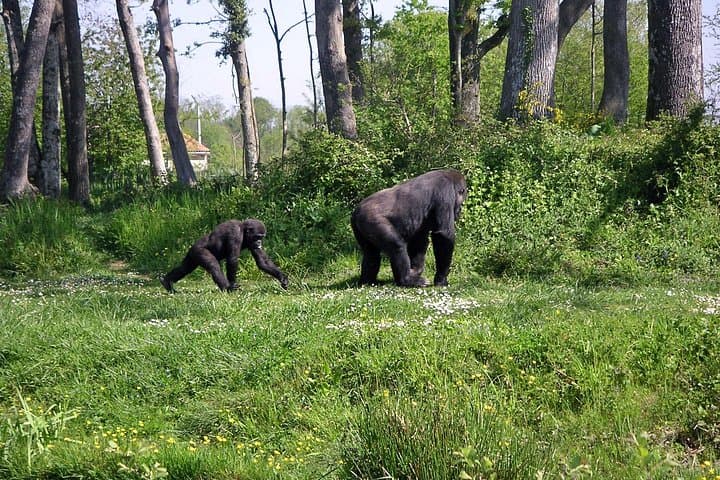
Declared a UNESCO World Heritage site in 1987, Dja protects intact tracts of Guineo-Congolian forest and supports large mammals, chimpanzees and forest elephants. Cultural ties run deep here: Baka (Pygmy) communities have lived with the forest for generations and still practice traditional hunting, honey-harvesting and herbal medicine.
Expect multi-day trekking, canoe transfers on the Dja, nights under canvas and village stays. Trails can be muddy and uneven; a 16 km approach to Chouam Rock is typical, broken up by wildlife sightings and fruiting trees. Guides and porters handle route-finding and camp logistics; meals are basic, locally sourced, and filling.
Practical notes: travel light but bring durable boots, insect protection, and a dry bag for electronics. Plan for rain at any time; the dry season (roughly November–February) offers easier walking and better wildlife visibility. Respect local protocols when visiting villages: photography and gifts should be negotiated through your guide. The Dja trip is immersive, tactile and rooted in place—expect fatigue, reward and close encounters with a forest that still moves on its own terms.
moderate.
7 days.
Moderate stamina for daily walks up to 16 km with intermittent river travel; able to carry a daypack and sleep in canvas tents.
Yellow fever vaccination is typically required for Cameroon; update tetanus and routine immunizations and consult a travel clinic about malaria prophylaxis.
Accommodation is basic: canvas tents at camps, simple village stays and one hotel night in Yaoundé; expect modest facilities and communal meals.
Dja hosts forest elephants and apes, but sightings aren’t guaranteed—wildlife is spread across dense forest and encounters depend on season and luck.
Responsible operators arrange guided, consented cultural exchanges with local communities; follow guide instructions, avoid unsolicited gifts and support local enterprises when possible.
The Dja Reserve was inscribed as a UNESCO World Heritage site in 1987 to protect one of the largest tracts of intact Guineo-Congolian rainforest and its traditional forest peoples.
Strict protected-area regulations limit access and hunting; visitors should minimize impact by avoiding single-use plastics, following established trails and supporting community-led tourism initiatives.
Across Africa Tours LLC operates guided outdoor trips and adventures with an emphasis on safety, stewardship, and memorable experiences.

You arrive at Yaoundé before dawn and the city slips away under the rising heat as the road unspools toward the equatorial forest.
You arrive at Yaoundé before dawn and the city slips away under the rising heat as the road unspools toward the equatorial forest.
By the time the trees close in, the air changes: damp, leaf-slick, and alive. The Dja Biosphere Reserve spreads over low hills and meandering channels, a living archive of forest geology and hydrology where the Dja River dares you to follow it. Forest giants shade a dense understorey of palms and raphia; the canopy is a highway for birds and monkeys that keep a wary distance from the human camp.
Declared a UNESCO World Heritage site in 1987, Dja protects intact tracts of Guineo-Congolian forest and supports large mammals, chimpanzees and forest elephants. Cultural ties run deep here: Baka (Pygmy) communities have lived with the forest for generations and still practice traditional hunting, honey-harvesting and herbal medicine.
Expect multi-day trekking, canoe transfers on the Dja, nights under canvas and village stays. Trails can be muddy and uneven; a 16 km approach to Chouam Rock is typical, broken up by wildlife sightings and fruiting trees. Guides and porters handle route-finding and camp logistics; meals are basic, locally sourced, and filling.
Practical notes: travel light but bring durable boots, insect protection, and a dry bag for electronics. Plan for rain at any time; the dry season (roughly November–February) offers easier walking and better wildlife visibility. Respect local protocols when visiting villages: photography and gifts should be negotiated through your guide. The Dja trip is immersive, tactile and rooted in place—expect fatigue, reward and close encounters with a forest that still moves on its own terms.