THE ADVENTURE COLLECTIVE® · Independent discovery and booking for outdoor travel

Turn a calabash fruit into a functional wooden bowl with hands-on instruction from local hosts in St. Lucia. In 90 minutes you’ll learn cutting, scooping and carving techniques and leave with a sustainable souvenir and a new appreciation for island craft traditions.
Turn a calabash fruit into a functional wooden bowl with hands-on instruction from local hosts in St. Lucia. In 90 minutes you’ll learn cutting, scooping and carving techniques and leave with a sustainable souvenir and a new appreciation for island craft traditions.
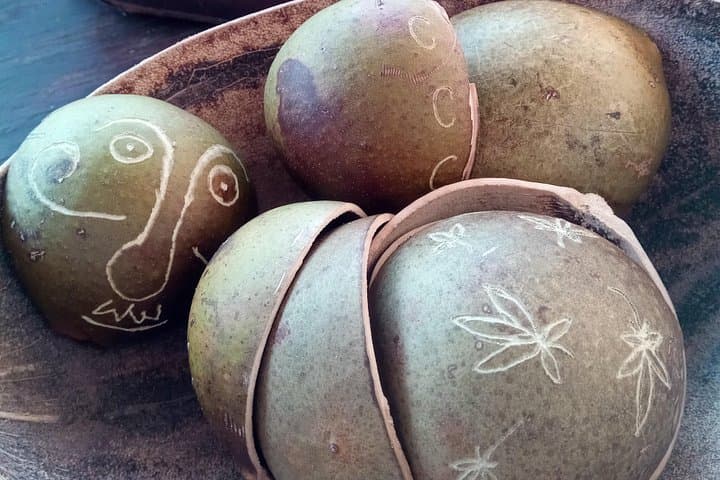
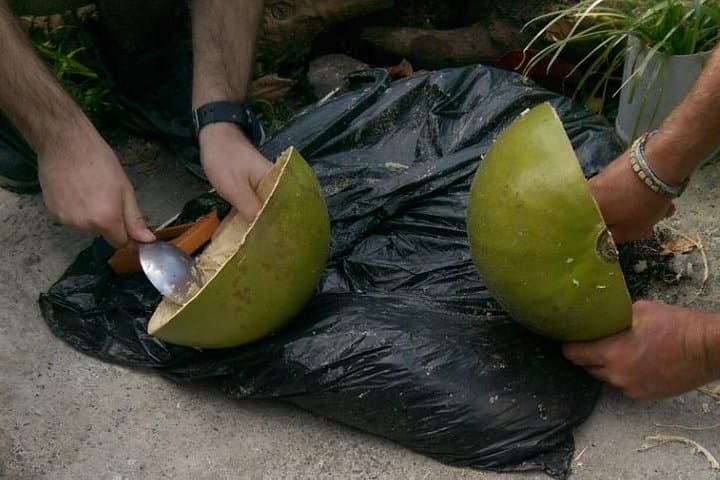
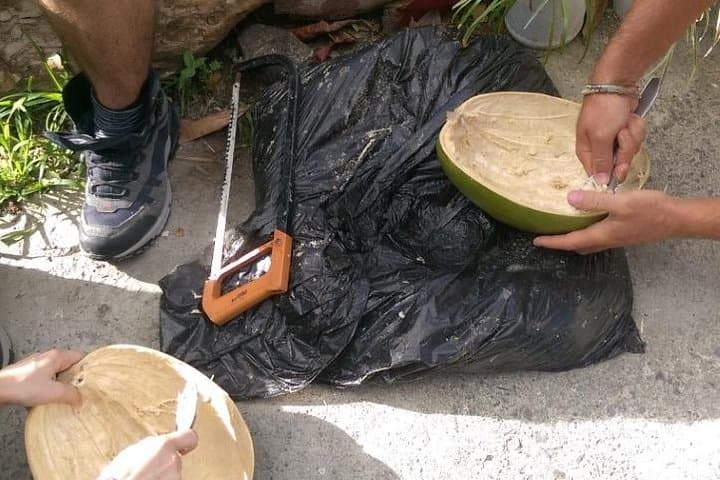
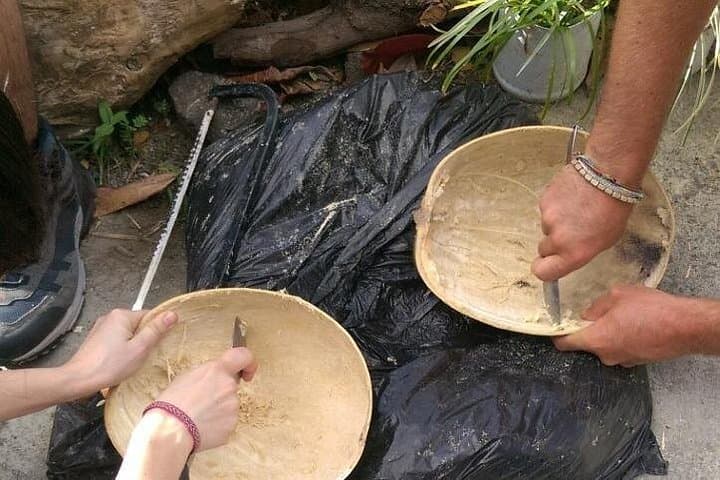
You step off a quiet beach and into a small, shaded work area where the calabash fruit waits like a hulking, friendly prop — raw, round, and ready to be transformed. Salt air and the distant hush of surf punctuate the rhythm of hacksaw teeth and the wet scrape of a spoon as instructors Mel and Ekie guide beginners through cutting, scooping and carving a bowl that will travel home with you.
Verified experiences and guided adventures in the surrounding area.
Operated by Melanie Fraites · Castries, Castries District
You step off a quiet beach and into a small, shaded work area where the calabash fruit waits like a hulking, friendly prop — raw, round, and ready to be transformed. Salt air and the distant hush of surf punctuate the rhythm of hacksaw teeth and the wet scrape of a spoon as instructors Mel and Ekie guide beginners through cutting, scooping and carving a bowl that will travel home with you.
The calabash tree has long served island communities: pre-colonial Arawak and Carib people shaped its hardened shell into cups and containers, and today the fruit is a material of culture and utility across the Caribbean. On St. Lucia this workshop marries that history with a sustainable craft approach — the dried fruit is repurposed rather than felled, and local techniques meet simple modern tools like a dremel for detailing.
Expect hands-on instruction, safety tips, and a relaxed 90-minute tempo that suits families and solo travelers alike. The beach nearby is often quiet on weekdays, offering a cool place to rinse off sap and sand after carving. The experience gives insight into rural craft traditions and connects makers to the island’s material heritage while leaving a minimal footprint.
Practicalities: wear clothes you don’t mind staining, bring sun protection and a reusable bottle, and allow about 90 minutes from arrival to finish. The activity is wheelchair accessible and suitable for most ages — just reserve time for drying and finish work if you want a shinier surface once you return home.
easy.
1.5 hours.
Suitable for all fitness levels; requires standing or seated fine-motor work for about 90 minutes
Yes — the dried calabash you carve is yours to take home as a finished or semi-finished piece depending on drying and finishing choices.
Yes — the activity is family-friendly and noted as suitable for all ages; younger kids should be supervised when tools are used.
Hosts provide a hacksaw, spoon, carving tools and basic power tools plus step-by-step instruction and safety guidance.
The listing notes wheelchair accessibility; contact the operator ahead of time to confirm specifics like transfer surfaces and seating arrangements.
The calabash has been used across the Caribbean for centuries—indigenous communities fashioned the hardened shells into bowls, cups and instruments; on St. Lucia it remains a material of cultural craft.
Workshops emphasize using dried, fallen calabash fruit rather than cutting live trees; visitors are encouraged to minimize waste and choose reef-safe products for post-activity beach time.
Melanie Fraites operates guided outdoor trips and adventures with an emphasis on safety, stewardship, and memorable experiences.
You step off a quiet beach and into a small, shaded work area where the calabash fruit waits like a hulking, friendly prop — raw, round, and ready to be transformed. Salt air and the distant hush of surf punctuate the rhythm of hacksaw teeth and the wet scrape of a spoon as instructors Mel and Ekie guide beginners through cutting, scooping and carving a bowl that will travel home with you.
You step off a quiet beach and into a small, shaded work area where the calabash fruit waits like a hulking, friendly prop — raw, round, and ready to be transformed. Salt air and the distant hush of surf punctuate the rhythm of hacksaw teeth and the wet scrape of a spoon as instructors Mel and Ekie guide beginners through cutting, scooping and carving a bowl that will travel home with you.
The calabash tree has long served island communities: pre-colonial Arawak and Carib people shaped its hardened shell into cups and containers, and today the fruit is a material of culture and utility across the Caribbean. On St. Lucia this workshop marries that history with a sustainable craft approach — the dried fruit is repurposed rather than felled, and local techniques meet simple modern tools like a dremel for detailing.
Expect hands-on instruction, safety tips, and a relaxed 90-minute tempo that suits families and solo travelers alike. The beach nearby is often quiet on weekdays, offering a cool place to rinse off sap and sand after carving. The experience gives insight into rural craft traditions and connects makers to the island’s material heritage while leaving a minimal footprint.
Practicalities: wear clothes you don’t mind staining, bring sun protection and a reusable bottle, and allow about 90 minutes from arrival to finish. The activity is wheelchair accessible and suitable for most ages — just reserve time for drying and finish work if you want a shinier surface once you return home.