THE ADVENTURE COLLECTIVE® · Independent discovery and booking for outdoor travel

Dive two guided wreck dives on the iconic Zenobia off Larnaka with a private guide and full equipment. This advanced-level day trip combines deep wreck exploration with high visibility and strong local expertise—ideal for certified divers ready for nitrox and controlled penetration.
Dive two guided wreck dives on the iconic Zenobia off Larnaka with a private guide and full equipment. This advanced-level day trip combines deep wreck exploration with high visibility and strong local expertise—ideal for certified divers ready for nitrox and controlled penetration.
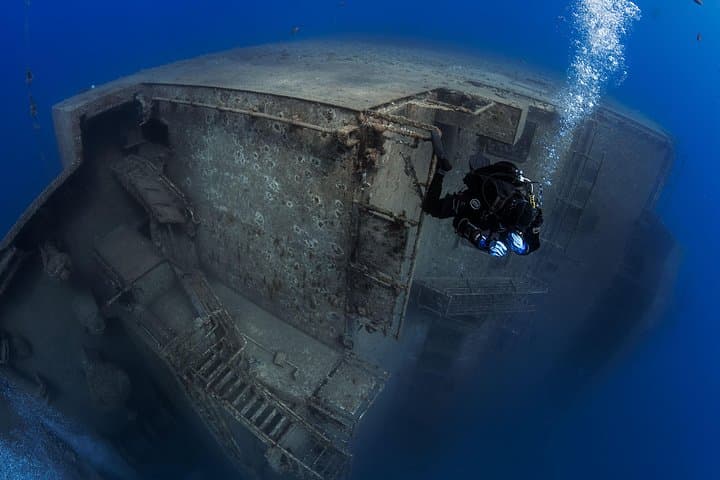
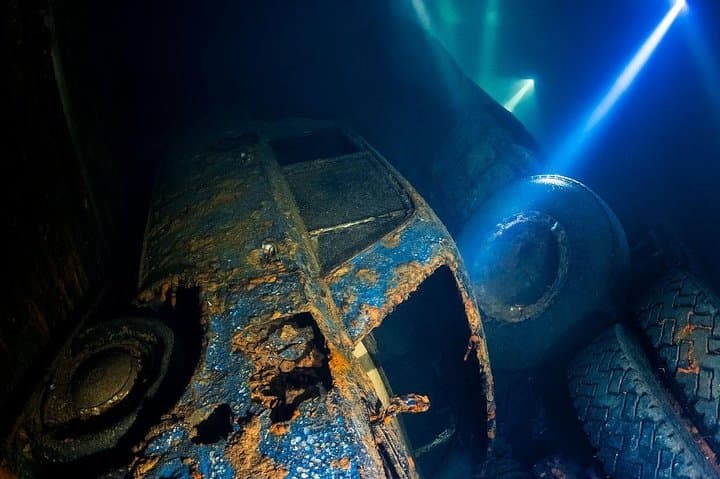
You slip off the back of a small dive boat into cool Mediterranean blue and the sea seems to pull you toward a hulking shadow below. The Zenobia rises from the seabed like a sleeping giant — decks, cargo, and trailers intact — and the current teases the rigging as your guide gestures to descend.
Verified experiences and guided adventures in the surrounding area.
Operated by ALPHA DIVERS · Larnaca, Larnaca District
You slip off the back of a small dive boat into cool Mediterranean blue and the sea seems to pull you toward a hulking shadow below. The Zenobia rises from the seabed like a sleeping giant — decks, cargo, and trailers intact — and the current teases the rigging as your guide gestures to descend.
The ferry sank on June 7, 1980, and decades of marine growth have turned steel into a living reef. Geologically the seabed here is mostly soft sand and silt with occasional rocky outcrops; the wreck sits across a depth range that makes it accessible for advanced divers but demands respect. Larnaka’s coast blends Greek-Cypriot port culture, reclaimed salt lakes that host wintering flamingos, and a long history of maritime trade that frames the Zenobia as both artifact and habitat.
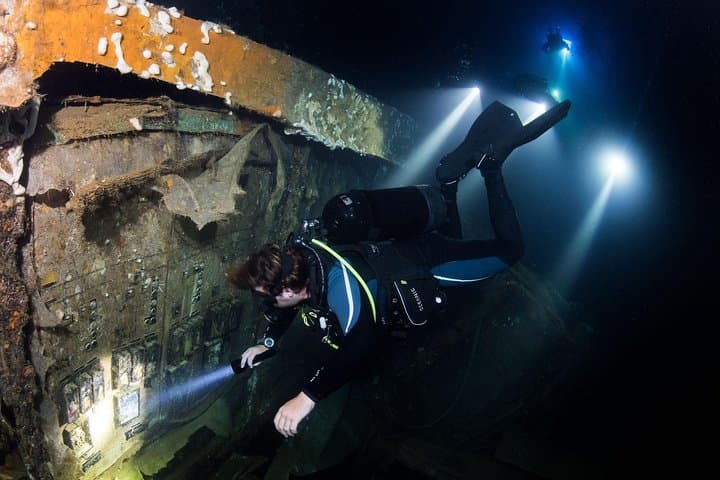
Expect two guided dives during a typical private trip: approach, descent, and controlled swims along the hull with opportunities for sheltered interior observation if you hold wreck-penetration training. Visibility often runs 20–30m in summer, water temps 18–28°C seasonally, and boat traffic can be busy in July–August. Practicalities matter: nitrox is required on many Zenobia operators; a capable dive computer, SMB, and redundant lights are standard. Bring motion-sickness meds if you’re prone; equalize early during descent and budget your bottom time conservatively.
This is an immersive technical dive that rewards planning: train for depth, respect no-go areas, and surface with a sense that you’ve visited a site where industry, tragedy, and marine life converge.
challenging.
4 hours.
Moderate to strong cardiovascular fitness and recent diving experience required due to depth and potential currents
Yes—operators typically require Advanced Open Water or equivalent and recent logged dives; wreck penetration needs additional training.
Many operators mandate nitrox for Zenobia dives or provide nitrox fills and on-site short training to reduce nitrogen loading.
Interior penetration is possible but depends on your certification, current conditions, and guide assessment—expect restricted zones for safety.
Policies vary by operator; this specific private experience may be non-refundable—confirm terms and consider dive insurance.
The Zenobia, a Swedish Ro-Ro ferry, sank on June 7, 1980 with cargo intact; it has since become one of the eastern Mediterranean's most famous artificial reefs.
The wreck is now a marine habitat—do not remove artifacts or disturb life; follow guide instructions and local rules to minimize impact.
ALPHA DIVERS operates guided outdoor trips and adventures with an emphasis on safety, stewardship, and memorable experiences.
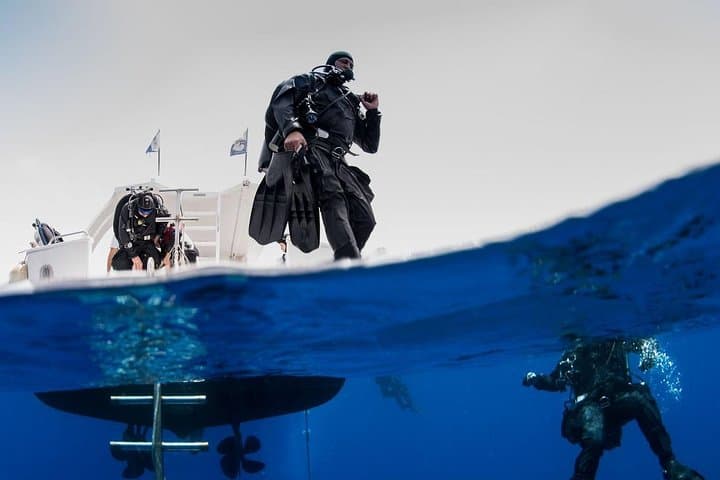
You slip off the back of a small dive boat into cool Mediterranean blue and the sea seems to pull you toward a hulking shadow below. The Zenobia rises from the seabed like a sleeping giant — decks, cargo, and trailers intact — and the current teases the rigging as your guide gestures to descend.
You slip off the back of a small dive boat into cool Mediterranean blue and the sea seems to pull you toward a hulking shadow below. The Zenobia rises from the seabed like a sleeping giant — decks, cargo, and trailers intact — and the current teases the rigging as your guide gestures to descend.
The ferry sank on June 7, 1980, and decades of marine growth have turned steel into a living reef. Geologically the seabed here is mostly soft sand and silt with occasional rocky outcrops; the wreck sits across a depth range that makes it accessible for advanced divers but demands respect. Larnaka’s coast blends Greek-Cypriot port culture, reclaimed salt lakes that host wintering flamingos, and a long history of maritime trade that frames the Zenobia as both artifact and habitat.
Expect two guided dives during a typical private trip: approach, descent, and controlled swims along the hull with opportunities for sheltered interior observation if you hold wreck-penetration training. Visibility often runs 20–30m in summer, water temps 18–28°C seasonally, and boat traffic can be busy in July–August. Practicalities matter: nitrox is required on many Zenobia operators; a capable dive computer, SMB, and redundant lights are standard. Bring motion-sickness meds if you’re prone; equalize early during descent and budget your bottom time conservatively.
This is an immersive technical dive that rewards planning: train for depth, respect no-go areas, and surface with a sense that you’ve visited a site where industry, tragedy, and marine life converge.