THE ADVENTURE COLLECTIVE® · Independent discovery and booking for outdoor travel

Boat out from Funchal to Garajau National Park, a marine reserve famed for large dusky groupers and clear waters. Certified divers will find dramatic volcanic reef walls and abundant fish life on guided boat dives.
Boat out from Funchal to Garajau National Park, a marine reserve famed for large dusky groupers and clear waters. Certified divers will find dramatic volcanic reef walls and abundant fish life on guided boat dives.
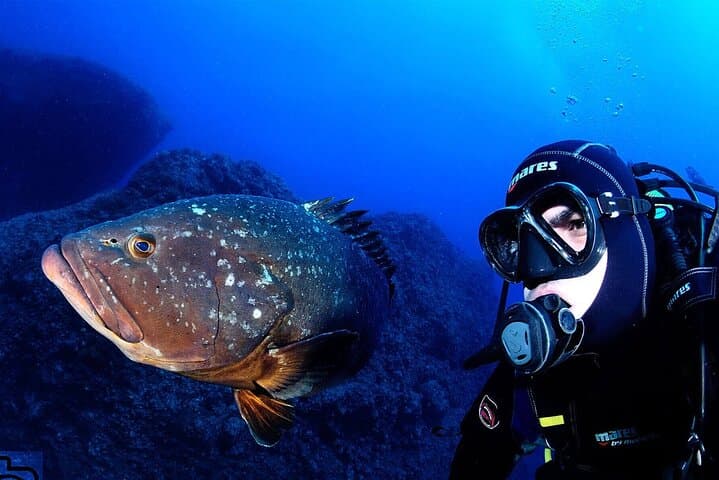
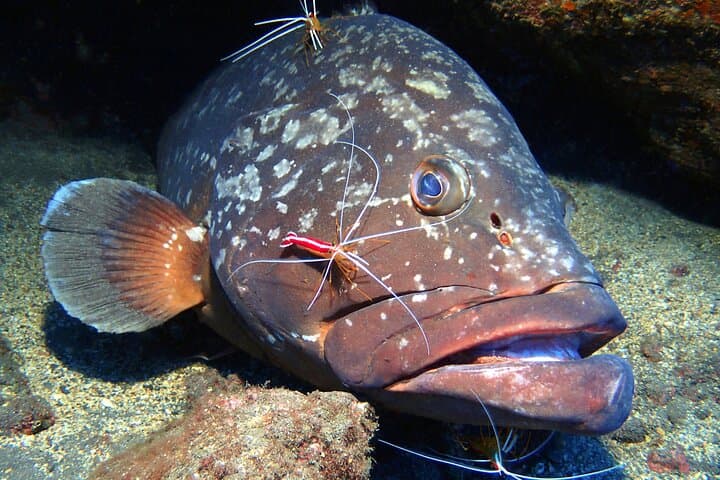
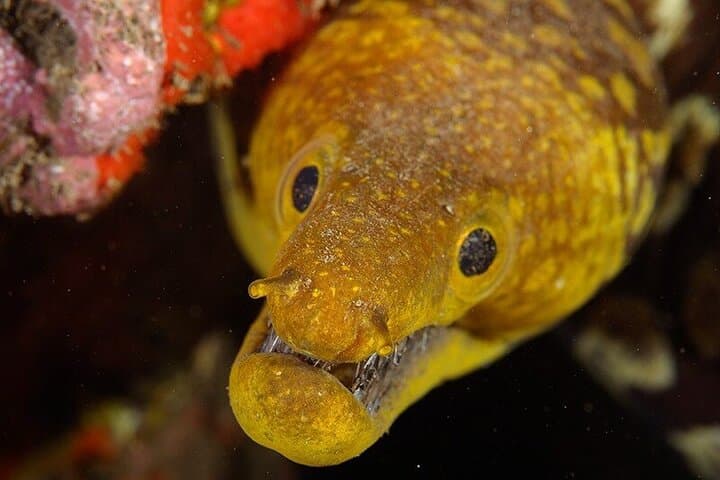
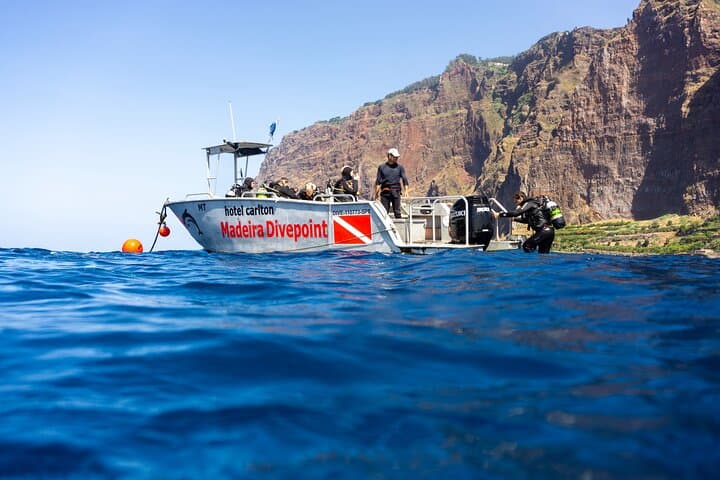
The boat slips away from Funchal and the Atlantic opens into a hard, blue horizon. Spray tags the rail as the guide points east—10–15 minutes to the protected drop-offs of Garajau National Park. Below, the sea moves with intent: kelp and rock reef create labyrinths where dusky groupers peer from caves, morays wind through crevices and shoals of smaller fish wheel like living clouds.
Verified experiences and guided adventures in the surrounding area.
Operated by Madeira Divepoint · Funchal, Madeira
The boat slips away from Funchal and the Atlantic opens into a hard, blue horizon. Spray tags the rail as the guide points east—10–15 minutes to the protected drop-offs of Garajau National Park. Below, the sea moves with intent: kelp and rock reef create labyrinths where dusky groupers peer from caves, morays wind through crevices and shoals of smaller fish wheel like living clouds.
Garajau has been a marine protected area for more than three decades, one of Portugal’s earliest attempts to safeguard coastal biodiversity. Geologically the reserve is volcanic—steep basalt shelves and boulder fields that plunge quickly into deeper water, creating sheer walls and swim-throughs attractive to larger species. Madeira’s fishing and seafaring culture shaped local attitudes toward the reserve; today community-driven protection helps the groupers grow bold enough to approach divers.
Expect a concise on-shore briefing, gear checks, a short swim to the boat, then guided boat dives at marked sites. Visibility is often very good—20–30 m in calm months—while currents can add pace and challenge. Certified divers only: operators require recent logged dives (10+ total; a dive within 12 months) and solid buoyancy control.
Practical notes: travel light to the dock, hydrate well, and plan for a warm shower and hot drink back at the center. Bring a camera with a strobe or good low-light capability; Garajau rewards patience with close encounters and photo-ready subjects. Timing your dive for calmer seas and lower boat traffic improves visibility and comfort.
moderate.
2–3 hours.
Moderate fitness; able to deploy gear, perform water entries, and handle short surface swims
Yes — operators require certification, a minimum of 10 logged dives and at least one dive within the last 12 months.
The boat ride from the dive center to Garajau dive sites is typically about 10–15 minutes, depending on conditions.
Visibility often ranges from 15–30 meters in calm months; water temperatures vary seasonally roughly 17–24°C (63–75°F).
Some sites have surge or drift sections and steep drop-offs; the guide will brief on currents and appropriate dive profiles before entry.
Garajau was designated as a marine protected area in the late 20th century to conserve fish stocks and coastal habitats, helping local fisheries recover.
The reserve restricts fishing and promotes dive-based tourism; follow no-touch policies and pack out any waste to reduce impact.
Madeira Divepoint operates guided outdoor trips and adventures with an emphasis on safety, stewardship, and memorable experiences.
The boat slips away from Funchal and the Atlantic opens into a hard, blue horizon. Spray tags the rail as the guide points east—10–15 minutes to the protected drop-offs of Garajau National Park. Below, the sea moves with intent: kelp and rock reef create labyrinths where dusky groupers peer from caves, morays wind through crevices and shoals of smaller fish wheel like living clouds.
The boat slips away from Funchal and the Atlantic opens into a hard, blue horizon. Spray tags the rail as the guide points east—10–15 minutes to the protected drop-offs of Garajau National Park. Below, the sea moves with intent: kelp and rock reef create labyrinths where dusky groupers peer from caves, morays wind through crevices and shoals of smaller fish wheel like living clouds.
Garajau has been a marine protected area for more than three decades, one of Portugal’s earliest attempts to safeguard coastal biodiversity. Geologically the reserve is volcanic—steep basalt shelves and boulder fields that plunge quickly into deeper water, creating sheer walls and swim-throughs attractive to larger species. Madeira’s fishing and seafaring culture shaped local attitudes toward the reserve; today community-driven protection helps the groupers grow bold enough to approach divers.
Expect a concise on-shore briefing, gear checks, a short swim to the boat, then guided boat dives at marked sites. Visibility is often very good—20–30 m in calm months—while currents can add pace and challenge. Certified divers only: operators require recent logged dives (10+ total; a dive within 12 months) and solid buoyancy control.
Practical notes: travel light to the dock, hydrate well, and plan for a warm shower and hot drink back at the center. Bring a camera with a strobe or good low-light capability; Garajau rewards patience with close encounters and photo-ready subjects. Timing your dive for calmer seas and lower boat traffic improves visibility and comfort.